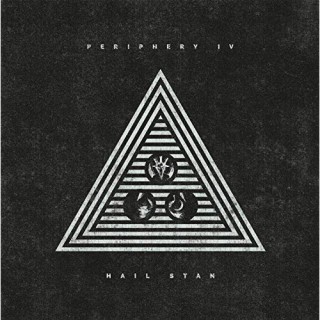
Hello friends, and welcome to another reader requested review! This time around, we’re taking a look at djent icons Periphery, and their latest album, Periphery IV: Hail Stan. Released in April of this year, Hail Stan is the sixth studio album by Periphery, and the fourth in a series of self-titled albums. The album was incredibly well received by fans and critics alike, hailed by many (see what I did there?) as the band’s best album yet. So are the praises being sung of Hail Stan deserved, or is it all hype?
I’ll preface this review by saying that my relationship with Periphery’s music has been somewhat complicated. As a fan of prog metal, I’ve always been impressed with the instrumental ability and writing displayed by this band. That being said, I’ve never been a fan of the metalcore inspired vocals and melodies that are found in much of Periphery’s music (although admittedly, this has less to do with the quality of the music itself, and more to do with my personal tastes). I also think that their tendency to release albums so close together has been less than beneficial, especially when we’re dealing with hour-long albums. And more often than not, I’m left feeling like the finished product could have easily been cut down to 45 minutes or so without losing anything meaningful. But with Hail Stan coming nearly three years after the band’s previous release, is there a noticeable difference in quality?
Absolutely. I didn’t think I’d be saying this, but the hype surrounding Hail Stan is actually pretty well deserved. It is clear that the band really put time and thought into this project, as it is pretty easily their most ambitious, adventurous, and accomplished release to date. In terms of both writing and instrumentation, Periphery have really taken the reins off of their usual formula and set themselves free to create. And the result, while not without its flaws, is still quite interesting and enjoyable.
The highlight of the album is the opening track, “Reptile,” a seventeen-minute epic about a stoner kid leading humanity in an apocalyptic battle with an alien race (as a Rush fan, I was destined to like this one quite a bit). As compelling musically as it is lyrically, it fluctuates dynamically between softer, slower moments and heavier, more intense moments, with flawless pacing, keeping the track from dragging or losing the listeners attention. Along with the traditional rock/metal instrumentation which is the backbone of this track, other elements such as strings and electronics pepper areas of this track, making for a diverse sonic palette. Without hesitation, I would call “Reptile” Periphery’s most accomplished piece of music to date.
The rest of the album can be a little more hit-or-miss, but more often than not, the hits outweigh the misses. When the band was writing this album, it seems they had a bit of a writer’s obsession with epic songs about apocalyptic warfare, as this theme also appears on tracks such as “Garden in the Bones,” “Crush”, and even “Blood Eagle,” an unforgiving thrasher about Vikings (what’s more badass than that?). While musically, this is probably their heaviest album to date, those electronic elements I mentioned earlier are fairly prevalent through much of this album. And while synths and electronics can be dangerous territory to explore in heavy music (Asking Alexandria, anyone?), Periphery manages to execute it rather tastefully. Tracks such as “CHVRCH BVRNER,” “It’s Only Smiles,” and “Crush,” expertly incorporate electronic songs that provide interesting contrast against the heavy and aggressive guitars and drums. And on that note, the instrumental writing on this album is on an entirely new level for Periphery. The majority of this album is riddled with fast, yet tasteful drumming, and we hear virtuosic, John Petrucci-like guitar solos in nearly every song.
While there are very few outright missteps on Hail Stan, there are a handful of songs that really just don’t do much for this project on the whole. While the first half of the album is consistently interesting and exciting, the second half can get a little slow. “Follow Your Ghost” fits within the sonic character of the album, but doesn’t do much else with it, making it a pretty obvious filler track to me. Equally forgettable, “Sentient Glow” is plagued with plodding instrumentals and fairly standard cookie cutter apocalyptic metalcore lyrics. Another longer, multi-part suite, the album’s final song, “Satellites” is an effective closer overall, but it falls short of the masterful pacing and writing displayed on “Reptile.” While the track ends rather epically and puts a nice bow on the album, this last impression is ruined by an abrupt, and absolutely unneccesary exclamation of “Suck my balls.” While most of these songs fit into the musically heavy and lyrically epic style of the album, “It’s Only Smiles” is pure emo cheese both musically and lyrically, and sticks out like a sore thumb on the album. On top of this, as I’ve said before, the metalcore vocals and melodies associated with this band aren’t really my thing, and this album hasn’t exactly changed my mind. And while I acknowledge that this is really a matter of personal taste, I also feel as though this style is somewhat dated in 2019.
Is Periphery IV: Hail Stan an album that I will still be coming back to a year from now? Honestly, probably not. But personal taste issues aside, this album is a major creative milestone for Periphery. Even being someone who isn’t crazy about djent, I enjoy the majority of this album, and find more to like about it than to dislike. The writing and instrumentation draw influence from classic progressive metal, and incorporate those elements beautifully into the overall sound of the album. Even if djent isn’t for you, this album is worth a try for anybody who enjoys prog music.
Score: 7/10
Favorite Song(s): Reptile, Crush, Garden in the Bones, Blood Eagle
Least Favorite Song(s): It’s Only Smiles, Follow Your Ghost
 Phil Klinker Music Reviews