Sepultura – Quadra
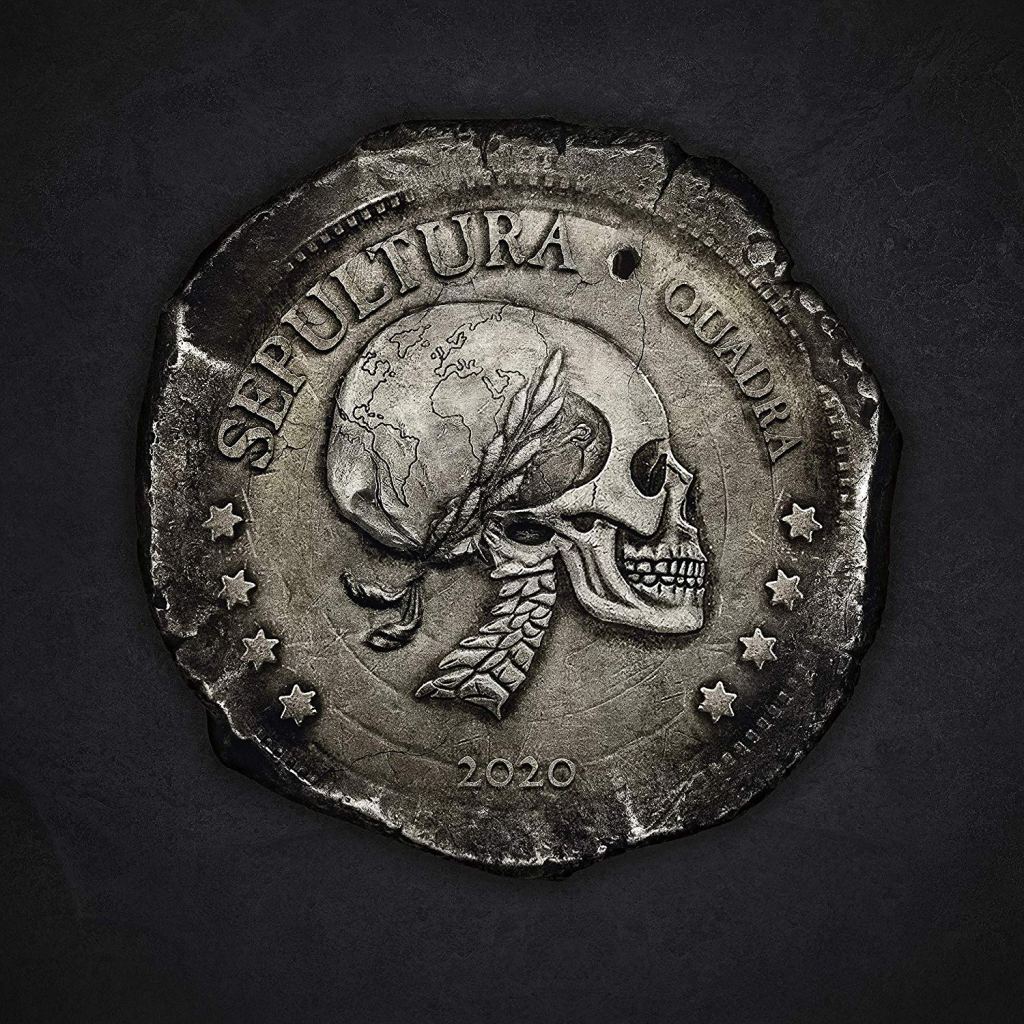
This album was actually a really nice surprise. Ever since Max Cavalera was replaced by Derrick Green on lead vocals in the late 90s, Sepultura have more or less been consistently releasing serviceable groove metal, but never anything worth writing home about. Don’t get me wrong, Green is a more than capable vocalist, but musically, this band has spent the last two decades skating by on name recognition, based on a legacy built by a handful of great thrash albums from the 80s and 90s. With all that in mind, I certainly didn’t expect this album to be as solid as it is. This thing is chalked full of thick, pounding riffage, virtuosic musical ability from all members, and some of the best writing we’ve heard from Sepultura in a very long time. Some critics are going so far as to say that this album measures up to the band’s classic works. I personally wouldn’t go that far, mainly because I don’t feel like there are enough unique sounds and ideas presented on this album to justify a runtime of over 50 minutes. Is Sepultura a one-trick pony? Maybe. But in its best moments, Quadra is the best exercise of Sepultura’s one trick that we’ve heard in a long time.
Score: 3.5/5
Stone Temple Pilots – Perdida
Going into this album, I can’t say I had much enthusiasm. Honestly, following Scott Weiland’s departure from the band, and eventually his tragic death, I completely lost interest in Stone Temple Pilots. A select few bands can pull the Van Hagar thing off well, but with Weiland being such an integral part of this band sonically and creatively, post-Weiland STP is just kind of a non-starter for me. That being said, when I heard that their eighth studio album would be an acoustic album, I reluctantly decided to give it a shot. Bands from the early 90s alternative/grunge scene have always translated pretty well into an acoustic setting (after all, Nirvana’s MTV Unplugged in New York is one of the greatest live albums of all time). So hey, this new STP album may be worth a spin or two, right? Eh. The change of pace didn’t do much to help me get into the swing of this record, and in some ways, it even works to the album’s disadvantage. None of these songs on their own are offensively bad, but they all have a very similar chill, stripped down makeup, and when put together, these songs ultimately blur together and plod along. Slide guitar, a string section, and even some tasty flute work serve as musical highlights, but fail to cover up the fact that Stone Temple Pilots are half the band they used to be.
Score: 2/5
Tame Impala – The Slow Rush

Look, I may be in the minority here, but I have yet to truly be wowed by Tame Impala. Don’t get me wrong, I like them, and I’ve had generally positive experiences with their music, but particularly on their first record, and even somewhat on their second, I found them far too derivative of pretty much every psych rock band from the 1960s. Out of the neo-psychedelic indie rock bands to pop up in the last decade, I’ve always thought King Gizzard & The Lizard Wizard were much more creative and original in their take on the genre, whereas Tame Impala more or less just rehash old ideas for the sake of nostalgia (while somehow winning the favor of the same snobs who now turn their noses up at Greta Van Fleet). That being said, while many people were less than enthusiastic about the more pop-centric approach to songwriting the band took on their previous album, Currents, I actually thought this album was a really nice change of pace, and a big step towards finding their own voice. However, with this new record, I was afraid that they would take their newfound pop sound a step too far, as many bands do. And that’s pretty much what happened. While Currents was a surprisingly effective blend of Tame Impala’s psych rock roots and their interest in millennial pop, The Slow Rush is a pop record through and through. The melodies and electronic integration are pretty hit-or-miss, and the misses are almost intolerable. The fuzzy, atmospheric characteristics of their earlier works are replaced with a more upbeat, funky approach, making the bass work one of the main musical highlights here. And hey, I’ll admit that rock bands can go in a more pop direction and achieve good results, but this just ain’t it. Perhaps the most unforgivable strike against this album is how alike all these songs sound. We get nearly an hour of funky, poppy, yet instrumentally busy musical compositions, backing up Kevin Parker’s comically over-reverberated John Lennon impression on vocals. Everything blends together into one big uniform blob, making this album’s length completely unjustifiable (that seems to be a theme this month). While Tame Impala’s early work could be overly derivative of early psychedelic rock, this album simply sounds like every other indie pop album to come out in the last decade. So there’s really no need to bother with The Slow Rush. It’s nothing you haven’t heard a million times in your hipster friend’s car.
Score: 1.5/5
Ozzy Osbourne – Ordinary Man
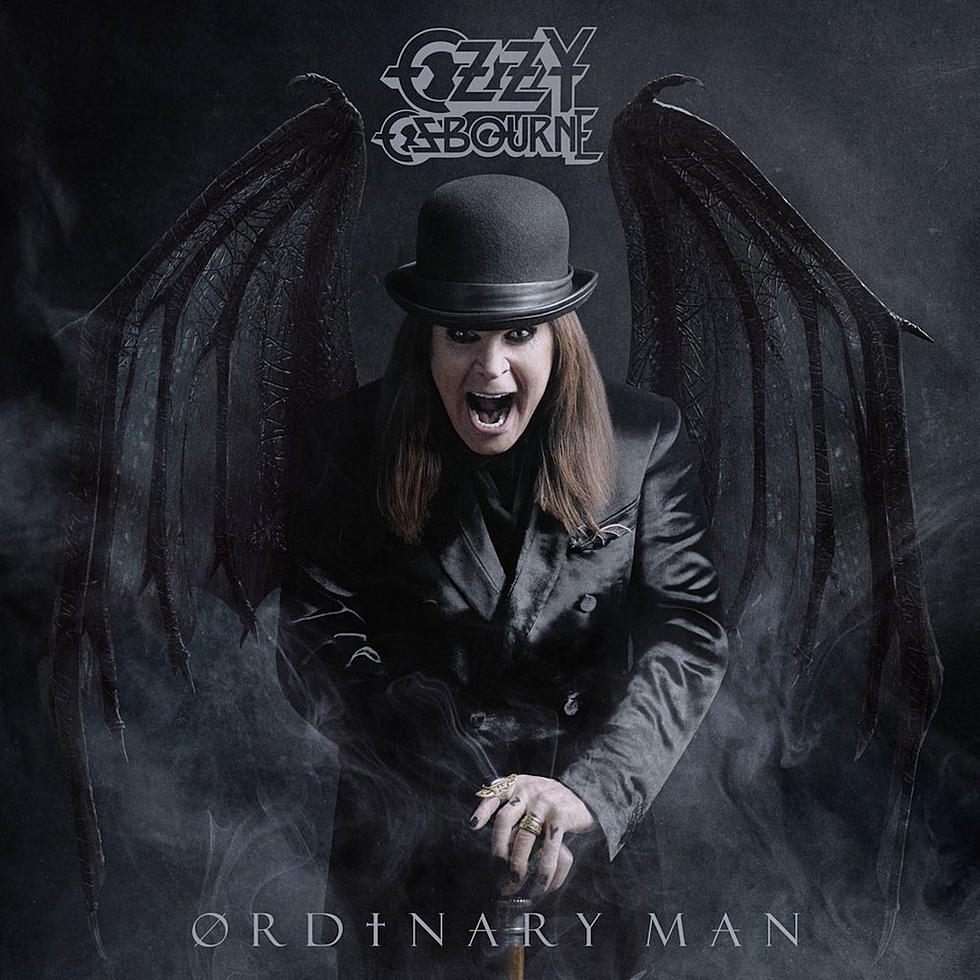
I think it’s safe to say that Ozzy Osbourne is on his last leg. The past couple years for the prince of darkness have been marked by numerous health issues and tour date cancellations, with his recent Parkinson’s diagnosis being the latest tragic news to come from the Ozzy camp. All that being said, I can’t say this was an album I had high expectations for. But against all odds, I actually have to say that Ordinary Man is probably the best rock album to come out this month. Listening to the lyrics, there is a sense that Osbourne knows that his life as a performer is drawing to a close. You can hear his heart in these lyrics, some of which are absolutely tear-jerking, as he delivers what truly seems to be his swansong. And with the help of names such as Duff McKagan, Chad Smith, Slash, Charlie Puth, Elton John, Tom Morello, and Post Malone, Ozzy delivers the most epic farewell album we could’ve ever asked of him. Is this Ozzy’s best album? Not by a long shot. But it’s his best in a very long time, and we even get some songs that stand among his best. With writing and performances this good, the only major stumbling point is in the area of production. For this project, Osbourne elected to work with producer Andrew Watt, whose writing and production resumé consists mostly of modern pop and hip hop releases. Because of this, we get a very clean sound, where even the most aggressive guitar and drum moments sound almost pillowy, while clean guitar and keyboard tones are over-compressed and sterile. Also the pitch correction on Osbourne’s voice can be over-the-top at times. Not exactly the raw, crunchy sound you might hear on an album such as Diary of a Madman (though in fairness, most modern metal albums don’t sound like that either). This minor hiccup aside, I’m glad Osbourne is still able to make good music that doesn’t sound dated, and if this is his last album, it’s a good note to go out on. Whatever decisions Osbourne makes about the future of his musical career, I salute him for his contributions to rock and metal, and wish him a happy and restful remainder of his life.
Score: 4/5
 Phil Klinker Music Reviews