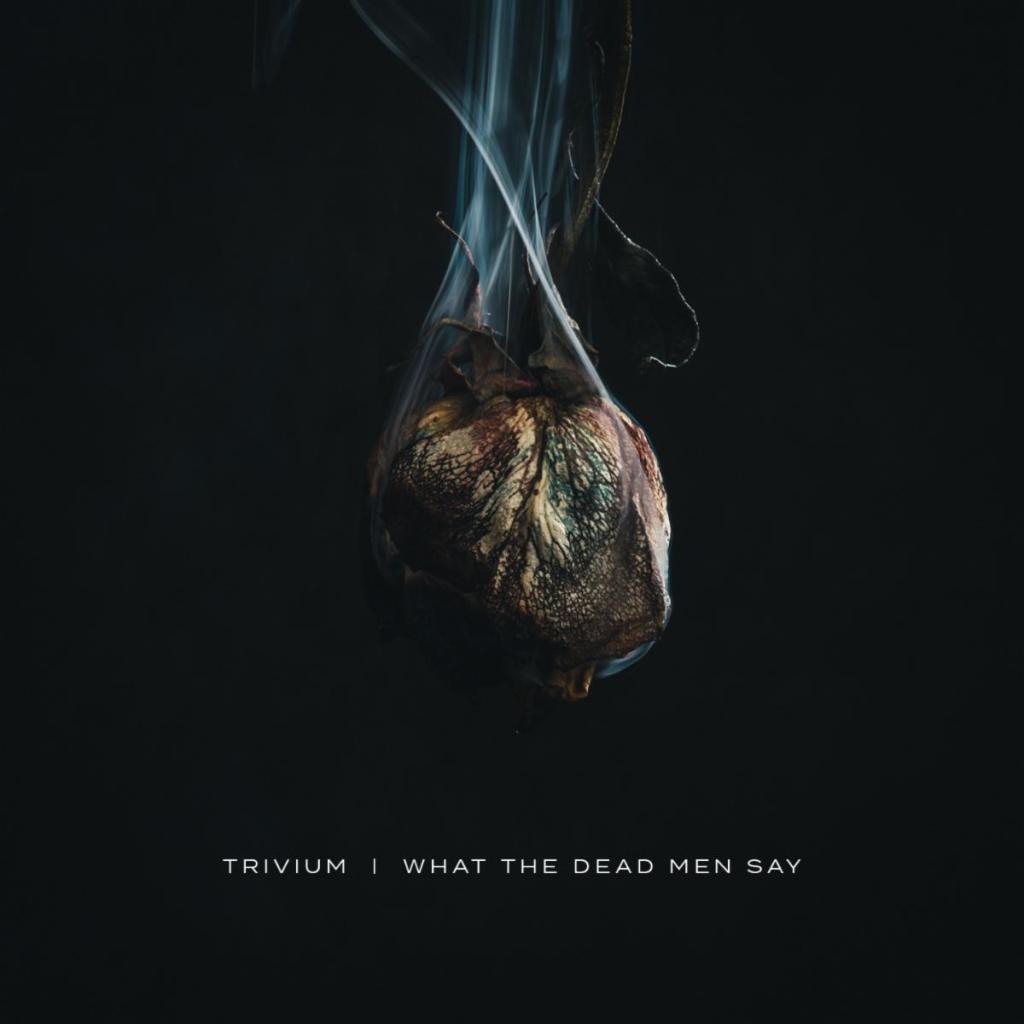
Hello friends! I hope the social distancing is going well. I know these aren’t easy times we find ourselves in, but at least there’s been no shortage of new music to keep us entertained. Today, we’ll be looking at What the Dead Men Say, the latest offering from Trivium. This is a band that have certainly had their ups and downs over the years, but Matt Heafy and company have consistently been perhaps the most technically proficient and musically practiced band to come out of the metal scene in the 21st Century. Leading up to the release of What the Dead Men Say, members of Trivium have promoted the album as an epic culmination of everything the band have proven capable of over the years. I tend to take promises like this with a grain of salt, as it isn’t uncommon for artists to make such claims about their upcoming releases. It is, however, somewhat rare for these claims to be 100% substantiated by the music itself. So is What the Dead Men Say an album deserving of the expectation-heightening comments made by its creators?
Absolutely. This album truly delivers on the promises made by the band. With What the Dead Men Say, Trivium have created a retrospective sampling of their two-decade career, playing to their strengths, and showcasing everything that makes them great. The band’s technical ability, songwriting skills, and the blend of metalcore, thrash, and prog, which has always made up their unmistakable sound, are all front and center on this sleek, compact 46-minute outing. Despite being shorter than many of the band’s most acclaimed records, What the Dead Men Say is jam-packed with all the versatility one could want from Trivium.
Instrumentally, Trivium are firing on all cylinders with this record. From top to bottom, this album oozes with blistering, face-melting lead guitar work, complete with effortless-sounding sweep picking, massive harmonies of Iron Maiden-like proportions, and a sense of melody as present in the guitar work as in any of the vocal lines. All of this masterfully supported by tight, yet crushing rhythm guitar work. The bass tones are deliciously thick and mercilessly pounding, almost entering nu-metal territory (though luckily for us, Trivium never wander that path in any other regard). The drums are in a nearly constant state of rapid-fire, keeping this album’s most up-tempo moments as high-octane as you could ever want, and adding beautifully dramatic contrast in the moments where things slow up and break down. And of course, Matt Heafy’s vocal delivery is as powerful and emotive as it has ever been. Tracks such as “Catastrophist” and “The Defiant” showcase the high-level of virtuosic skill and musical chemistry between band members as well as any of their most beloved songs, while “Amongst the Shadows & the Stones” and “Sickness Unto You” display highly tasteful understanding of instrumental writing and pacing. As anyone who knows my taste may have guessed, the moments where Heafy’s vocal melodies enter metalcore territory tend to be my least favorite parts the album. But even on songs where this is the case, the instrumental abilities of the band are perhaps at their best, be it the chest-pounding bass work on “Bleed Into Me,” or the tasteful and melodic lead guitar work on “Scattering the Ashes.” Wrapping up the album, “The Ones We Leave Behind” goes over the top with the band’s flare for epic instrumentation, particularly in the area of guitar harmonies, drawing from power metal, and bearing some resemblance to DragonForce (except with playing that’s more believable).
Lyrically, this album doesn’t give us as much to talk about as it does in the music department. Overall, the writing here is really solid, but doesn’t deviate far from the beaten path of apocalyptic metalcore clichés. That’s not to say the writing isn’t genuine, as Heafy truly seems to use these themes as tools for very vulnerable and intimate introspection, even if done a little too safely. The closest moments we get to a break in this theme are “The Defiant,” a fairly vague anti-authoritarian rager about rebellion (still very much within cliché metalcore territory, but a fun fist-pumper nonetheless), and “Sickness Unto You,” a darker song that takes an ugly, graphic look at the experience of a loved one’s death. This is easily the lyrical highlight of the album. Cliché or not, the songwriting here is pretty good, and hey, if this album has taught us anything, it’s that old tricks can still be performed really well.
It’s not often that a band with two decades and eight albums under their belt are able to continue releasing music that stands up to their best. And yet, Trivium have proven that their peak isn’t behind them just yet. Does this album live up to the wall-to-wall perfection of Ascendancy? Or the epic, over-the-top ambition of Shogun? Perhaps not. But What the Dead Men Say brings plenty of its own unique strengths to the table, which are enough earn it a place in the conversation with these great albums. Even after only spending a weekend with this album, it is quickly becoming one of my favorites from Trivium.
Score: 9/10
Favorite Song(s): Amongst the Shadows & the Stones, Catastrophist, Sickness Unto You, The Defiant, The Ones We Leave Behind
Least Favorite Song(s): Bending the Arc to Fear
 Phil Klinker Music Reviews