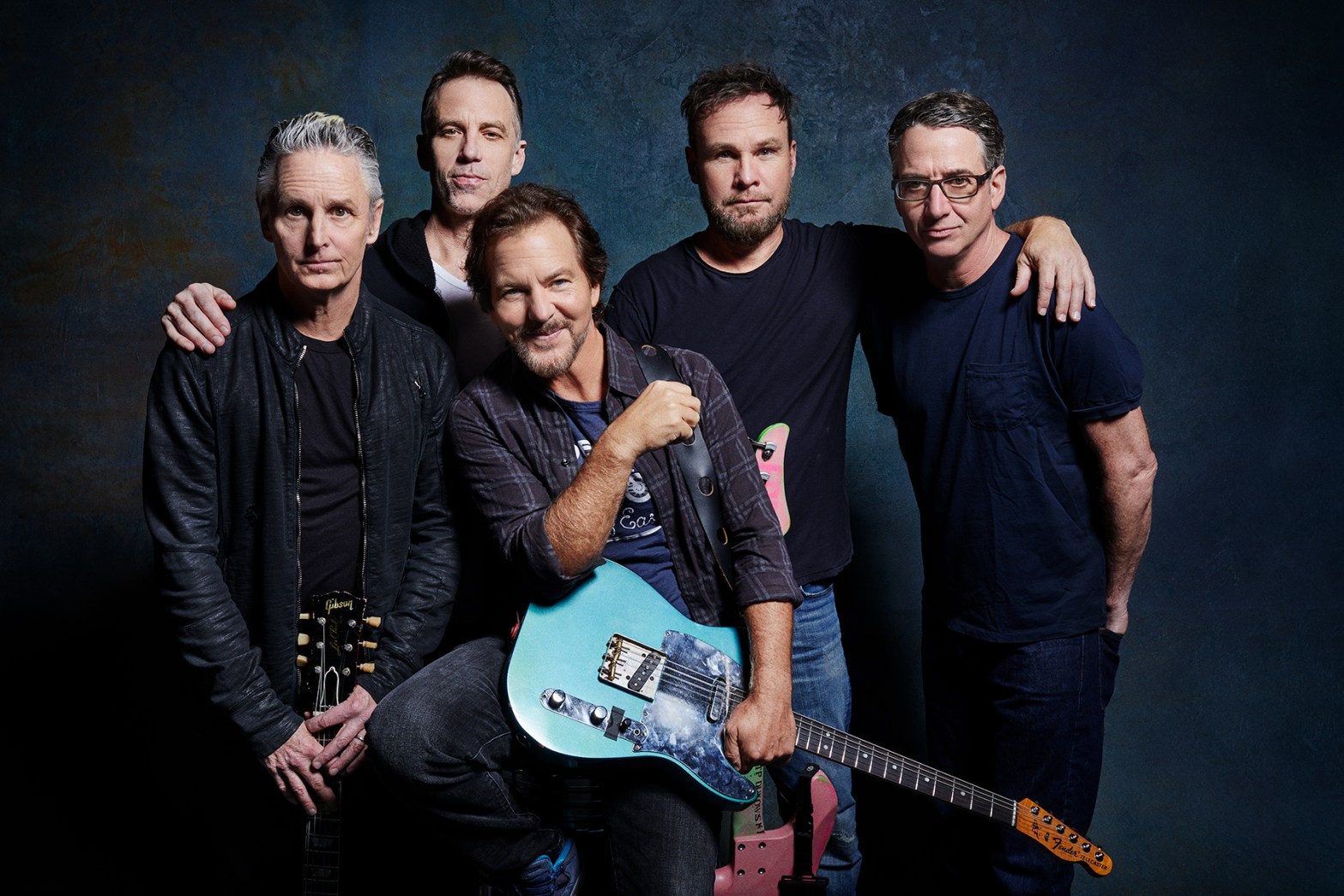

Hello, and welcome to another installment of “Starter Packs,” where I take a band or artist with a large or overwhelming body of work, and recommend three albums to start your journey. Today, we’ll be looking at grunge pioneers, Pearl Jam. Let’s face it, the alternative/grunge scene has been plagued with tragedy ever since its conception in the early 1990s, with many of its icons passing from this world too early due to suicide or overdose, leaving us with an unfortunately small amount of music from many of these bands. However, there are exceptions to this rule, the biggest perhaps being Pearl Jam. With a tragedy-free history, and a largely consistent lineup (save for a handful of drummer changes early on in their timeline), Pearl Jam have managed to release music fairly consistently since their debut almost three decades ago, leaving us with a grand total of 11 albums as of 2020. This allowed the band to flex their creative muscles and show their versatility in a way that many of their grunge contemporaries never could. However, it also makes them one of the harder bands from the genre to properly get into. So today, we’ll be looking at the three albums that best represent Pearl Jam’s career as a whole. Keep in mind, as always, that these are not necessarily my three favorite Pearl Jam albums, but simply the ones I feel are the best jumping off points. So let’s get started!
1.Ten (1991)

There’s honestly no better place to start with Pearl Jam than Ten. Not only is the band’s debut their best album, it also played a vital role in launching grunge into the mainstream. And with classic singles such as “Alive,” “Even Flow,” “Jeremy,” and “Oceans,” as well as songs such as “Black” and “Release,” which became fan favorites without being singles, its no wonder this album had the impact it did. As the 80s drew to an end, and hair metal ran its course, the younger generation of rock fans were ready for a return to something rawer and grittier, and Pearl Jam delivered exactly what they were looking for. From the guitar duo of Mike McCready and Stone Gossard taking cues for their crunchy, in-your-face guitar style right from the Led Zeppelin playbook, to Eddie Vedder’s snarling vocals and dark, foreboding lyrics, Pearl Jam delivered something that was the opposite of what mainstream rock had been for the last decade, in the best of ways. While grunge was already gaining traction in the underground scene during the late 80s, the genre took its rightful place as the sound of rock for a generation in 1991 with Pearl Jam’s Ten, Nirvana’s Nevermind, and Soundgarden’s Badmotorfinger (I know we’re talking about Pearl Jam here, but if you haven’t heard these albums, you need to listen to them like, yesterday). If you enjoy Pearl Jam’s grunge debut, you’re sure to love their next two albums, Vs. and Vitalogy as well.
2. Yield (1998)
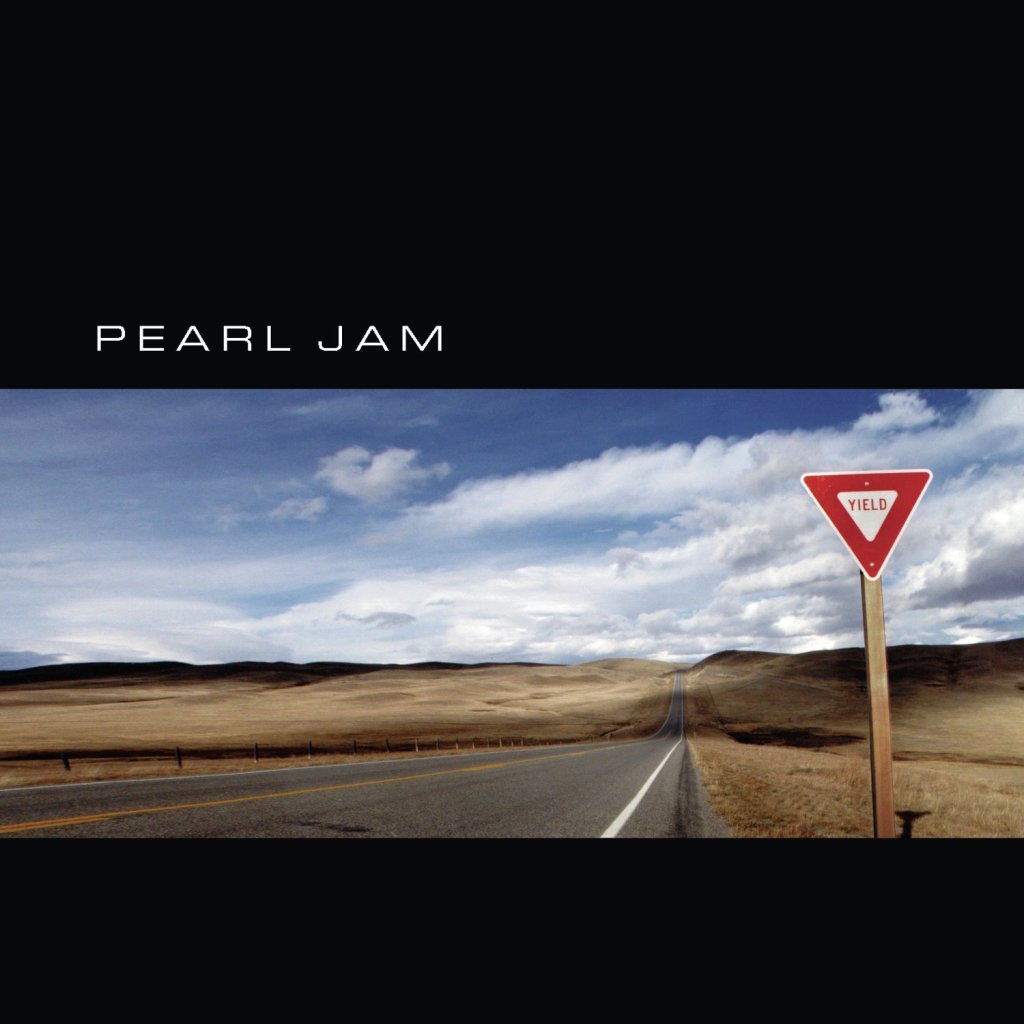
Now let’s fast-forward to the mid-to-late 90s. In the wake of Kurt Cobain’s death, grunge’s momentum as a genre came to a screeching halt. As post-grunge, pop punk, and nu metal quickly took over as prevailing genres within the rock scene, the bands who dominated the charts just a few short years before, were all but left in the dust. Doing what they needed to do to adapt, Pearl Jam shed their signature grunge sound, but instead of conforming to the direction rock was moving, they began experimenting with their own take on garage rock. This phase of Pearl Jam’s career gave us 1996’s No Code and 1998’s Yield. And while No Code showed Pearl Jam flexing their creative muscles in some new and interesting ways, showing early signs of some of the weirder music they’d release later down the road (more on that shortly), it was Yield that proved Pearl Jam was equipped to outlive the rise and fall of grunge. Singles “Given to Fly” and “Wishlist” are some of the most introspective, and frankly beautiful songs Eddie Vedder has ever written, while chaotic garage rock ragers such as “Brain of J.” and “Do the Evolution” see the band trading in their signature grungy sludge for an equally energetic garage sound, utilizing thick, spanky, medium-gain guitar riffage, pounding basslines, and some of the liveliest drum work in Pearl Jam’s discography, provided by Jack Irons (a name some of you may recognize from early Red Hot Chili Peppers). This raw, simplistic, and somewhat vintage approach to composition leaves plenty of room for Vedder’s writing to shine through, and it pays off. Pearl Jam certainly proved they were capable of evolving and adapting with this album, and it’s no wonder that fans often divide Pearl Jam’s discography into “pre-Yield” and “post-Yield.”
3. Riot Act (2002)
Most fans of Pearl Jam will agree that their 90s material was their best. I certainly wouldn’t say there’s a bad Pearl Jam album out there, but much of their output from the 21st century is more or less a rehashing of their classic sound. And hey, if any band deserves such a victory lap, it’s Pearl Jam, so more power to them, but nevertheless, most of their recent albums don’t demand more than an occasional repeat listen. However, the band’s most interesting output from this century undoubtedly lives on 2000’s Binaural and 2002’s Riot Act. These albums saw the band dive headfirst into their experimental side, trying any idea that came to mind. And while some fans aren’t as crazy about these albums, they do represent a peak creative period in Pearl Jam’s career, and must be represented here. I ultimately selected Riot Act because much of Binaural is bogged down by inconsistent writing and shoddy production, whereas most of the ideas on Riot Act are pulled off pretty effectively, and your enjoyment of the album will depend solely on whether you’re onboard with these ideas or not. Don’t get me wrong, we still get classic Pearl Jam hard rockers, such as “Ghost” and “Get Right,” but the majority of the album consists of zany art rock indulgences, some working better than others. We get some acoustic folk, a medieval waltz, a piano lounge jazz tune, a spoken word poem, a Rage Against the Machine-style funk rock tune, a swampy blues jam, a moody, R.E.M.-inspired song, and many others that are impossible to even describe. We hear more of Vedder’s angsty writing style, now featuring Bush-era political unrest (you can’t have an early-2000s rock album without it, right?). As I said, Riot Act isn’t a favorite for every Pearl Jam fan, but it is a testament to what this band is capable of, and if you’re into it, you’ll surely enjoy diving into the rest of their incredible discography.
 Phil Klinker Music Reviews