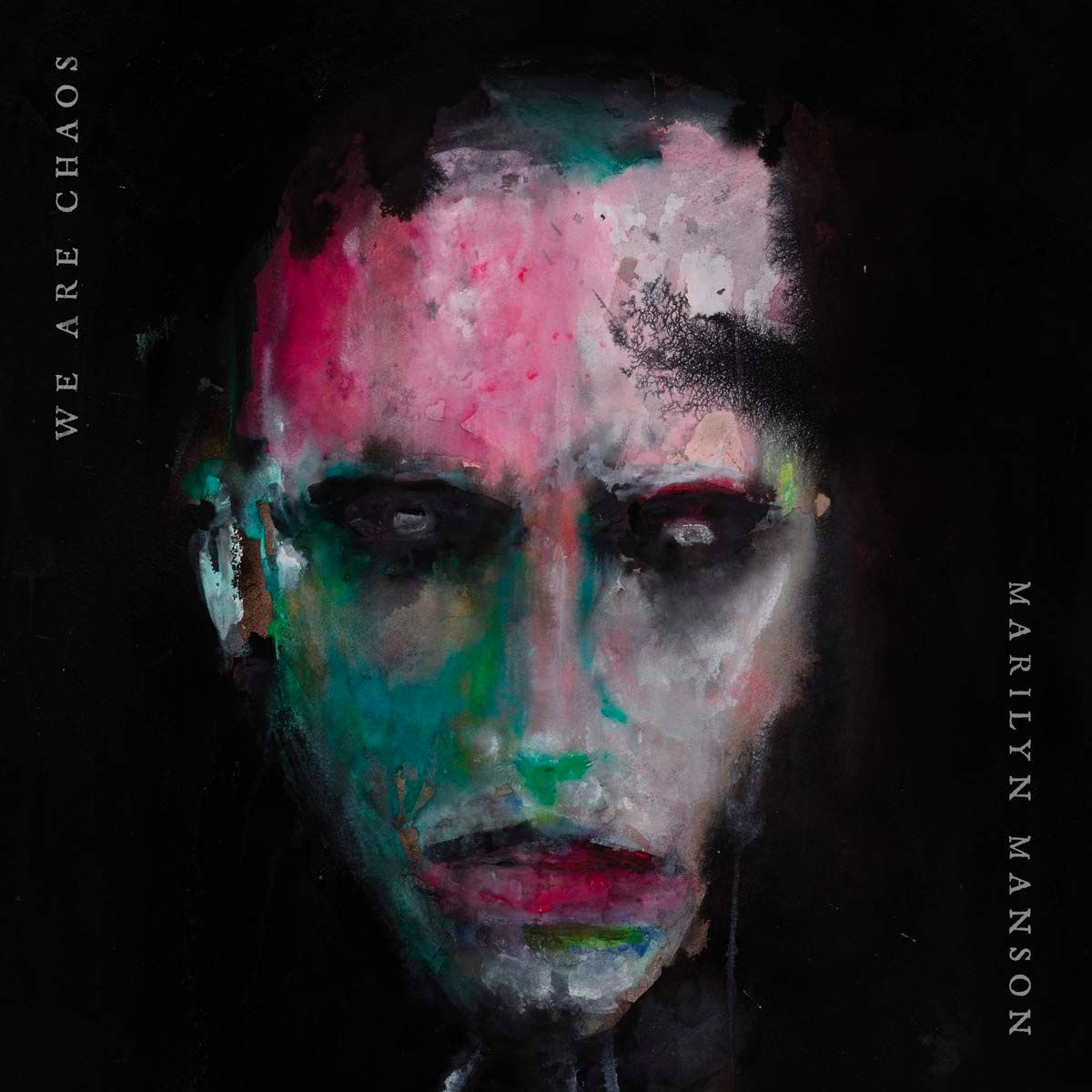
Marilyn Manson – WE ARE CHAOS
This should come as a surprise to absolutely no one, but Marilyn Manson’s new album is pretty weird. But maybe not weird in the way you’re expecting. For his 11th studio album, Manson teamed up with producer Shooter Jennings (son of country music legend, Waylon Jennings). Obviously this creative decision brought a few concerns to my mind. Marilyn Manson wouldn’t make a country album…would he? Thankfully, that’s not what happened. But the first single, “WE ARE CHAOS,” certainly brought even more questions and concerns into the minds of fans. Manson has never been a stranger to electronic elements, and he’s always incorporated them quite tastefully, but this song is largely electronically driven, and sounds much more lush and pop-centric than the dark, abrasive electronics we all remember from a song like “The Beautiful People.” And for better or for worse, the rest of the album more or less follows this formula (again, not what I expected when I learned Marilyn Manson and Shooter Jennings were teaming up). And I really can’t say I care for the production on this album. It’s overly busy, relies too heavily on electronic effects, thin guitars that barely stand out, and overly compressed drums that aren’t even real drums half the time. Manson’s unmistakably creepy signature sound is replaced by sounds that are derivative of genres such as new wave, stadium rock, and at one point, even doo wop (yes really). And the filtration on Manson’s voice is almost intolerable (but we all know Manson can’t sing anymore, so I can’t really hold that against Shooter). Softer moments featuring pianos and acoustic guitars are still a bit out of left field for Manson, but by the time they finally show up, I’m just glad to have a break from the thin, manufactured sound that this album gives off. While I can respect the risks that Manson takes with this album, the sad thing is that the moments I enjoyed the most are the ones that just sound like his old material. And these moments are few and far between. And even these moments only show us a shell of the larger-than-life king of controversy who once gave us Antichrist Superstar.
Score: 2/5
The Flaming Lips – American Head
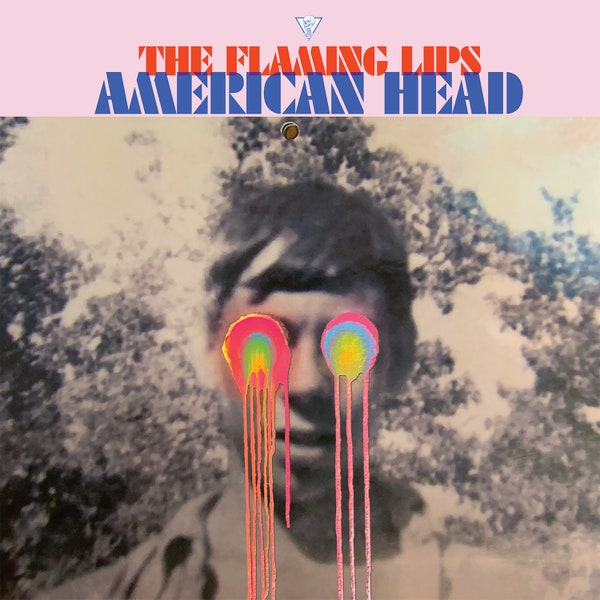
The latest addition to the massive discography of The Flaming Lips is…very sleepy. The majority of the ensemble takes a backseat on this largely piano and acoustic guitar driven album, putting Wayne Coyne’s songwriting front and center. There are only a couple of problems with this. For one thing, a 50-minute album of wall-to-wall ballads isn’t the best way to keep an audience engaged. And on top of that, this isn’t Coyne’s best songwriting by a long shot. There are definitely some very beautiful and endearing moments within this massive blob of sleepy ballads, but it can take a few listens to pick them out, as again, this album won’t do the best job of holding your attention. And the worst lyrical moments…well, remember when you were a kid and your mom told you that if you kept rolling your eyes, they’d get stuck back in your head? Well I learned today that that was a myth, otherwise my eyes would be permanently stuck in the rolled back position after hearing Coyne’s vapid, irritating musings about spending all his time doing drugs with his friends (dude, you’re almost 60). I guess American Head is simply a case study in what happens when after decades of acclaim and accomplishment, an artist’s head ends up so far inside their own ass, that they’re convinced anything they do is a masterpiece. Not that The Flaming Lips have anything to prove at this point in their career, but given some of the great music they have under their belt, American Head will most likely go down as a throwaway in their catalogue of work.
Score: 2.5/5
Movements – No Good Left to Give
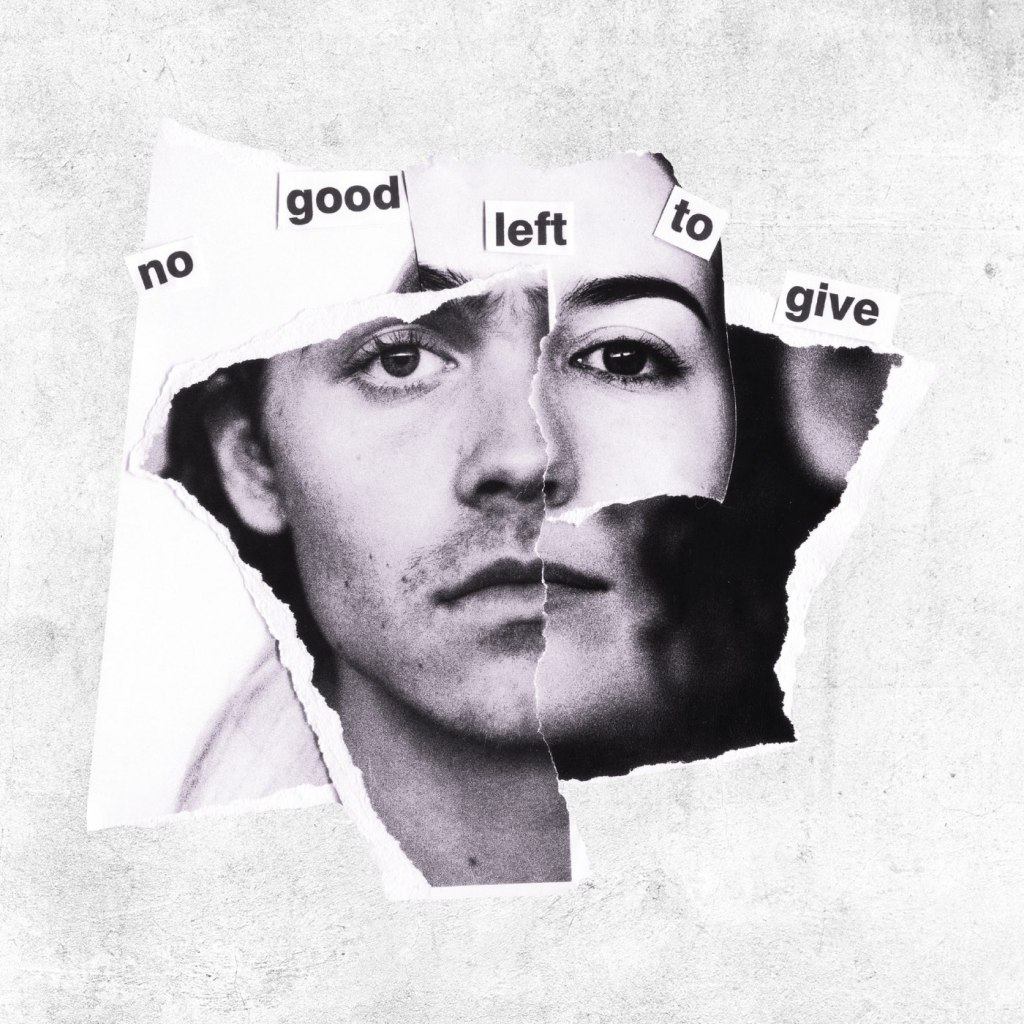
One of post-hardcore’s modern up-and-coming star bands are back with their sophomore release. As someone who heard potential in their 2017 debut, but wasn’t exactly blown away by it, I wasn’t sure what to expect from this release, but I had hope. So what do we get with No Good Left to Give? Well, not much of a deviation from what we heard on the debut album. Intense, brooding emo music with expressive vocal delivery and haunting instrumentation. But I can honestly say that even if Movements didn’t exactly broaden their sonic horizons with this album, they nailed down their sound much tighter this time around. The melodies are consistently air-tight, and groove with the dark, foreboding instrumentals, featuring drums that rise and fall dynamically at all the right times, subdued lead guitar work that nearly always sits in the upper register, leaving the bass plenty of room to dominate the low end, and add just the right amount of punch to the mix. All creating an unsettling and melancholy backdrop to the emotive vocal delivery and dark, personal lyrics. Melodies and vocals that are reminiscent of Linkin Park, juxtaposed against dark yet grooving instrumental passages ensure that these songs have every bit of the impact they could ever need. Movements haven’t updated or expanded on their sound here, making this album a little bit one-note, but they come off very competent within that sound, and more often than not, they pull it off with a tightness and consistency that wasn’t quite there on their debut.
Score: 4/5
Napalm Death – Throes of Joy in the Jaws of Defeatism
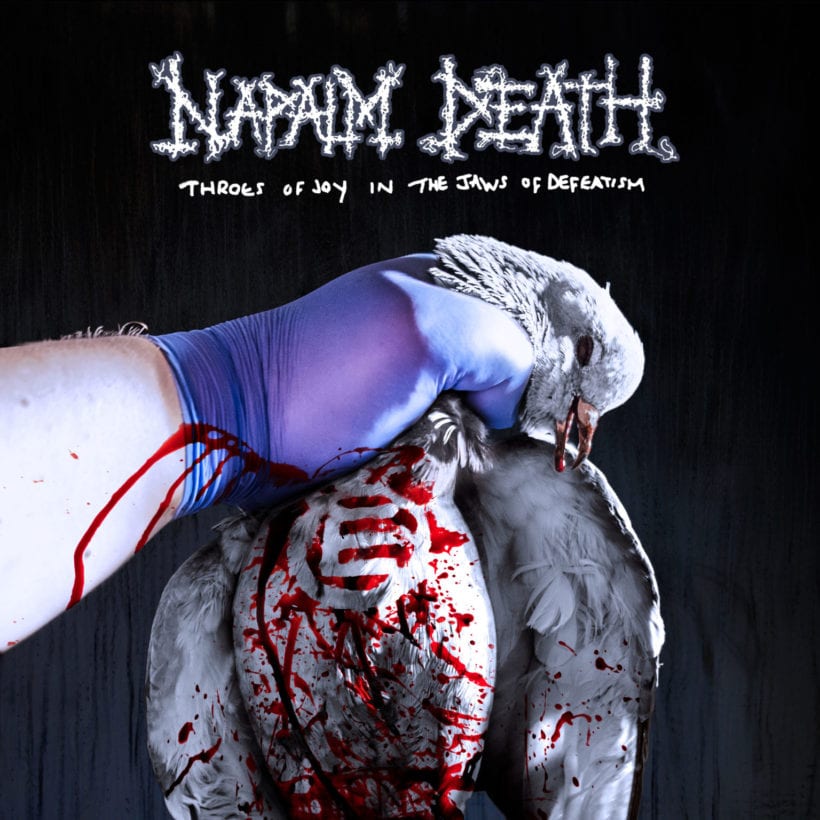
This release marks album 16 from grindcore pioneers Napalm Death. And it sees the band continue in their gradual trend towards embracing longer song runtimes (there are several songs on here that are over four minutes!) and more polished production. They’ve also continued away from the raw, chaotic noise-heavy music that made them famous, and towards music that better showcases their technical ability. That’s not to say that this album isn’t heavy. In fact, it’s absolutely brutal. The compositions are as competent as they are crushing, and the production style ensures that nothing is buried. If you’re a purist who wants the same skull-pounding chaotic energy that made Scum a classic, I’d suggest you just go listen to Scum again. However, if you’ve enjoyed the bulk of Napalm Death’s discography, chances are you’ll dig this one as well. It’s nothing new for the band, and it’s not likely to be remembered as one of their classics, but it’s a solid listen, nonetheless. I’d call it a mid-tier Napalm Death album, overall.
Score: 3.5/5
 Phil Klinker Music Reviews