
My Top 10 Albums of 2020

Well ladies and gentlemen, 2020 is FINALLY at an end, and I think I speak for all of us when I said it couldn’t come soon enough. But as a music enthusiast, and particularly a rock fan, I have been absolutely overwhelmed by the abundance of incredible music that has been released this year. So now, I will share with you my ten favorite albums of 2020. With all the music I’ve loved this year, making this list was no easy task. So before we get too far, I’d like to share some honorable mentions, both of rock albums I reviewed that came VERY close to making the list, and a handful of albums I loved outside of the rock genre as well. And because, once again, there was so much great music released this year, please forgive me if the “honorable mentions” list is just as long as the Top Ten list itself. So without further ado, in a gargantuan tie for 11th place…

Run the Jewels – RTJ4

Carly Rae Jepsen – Dedicated Side B

Puscifer – Existential Reckoning

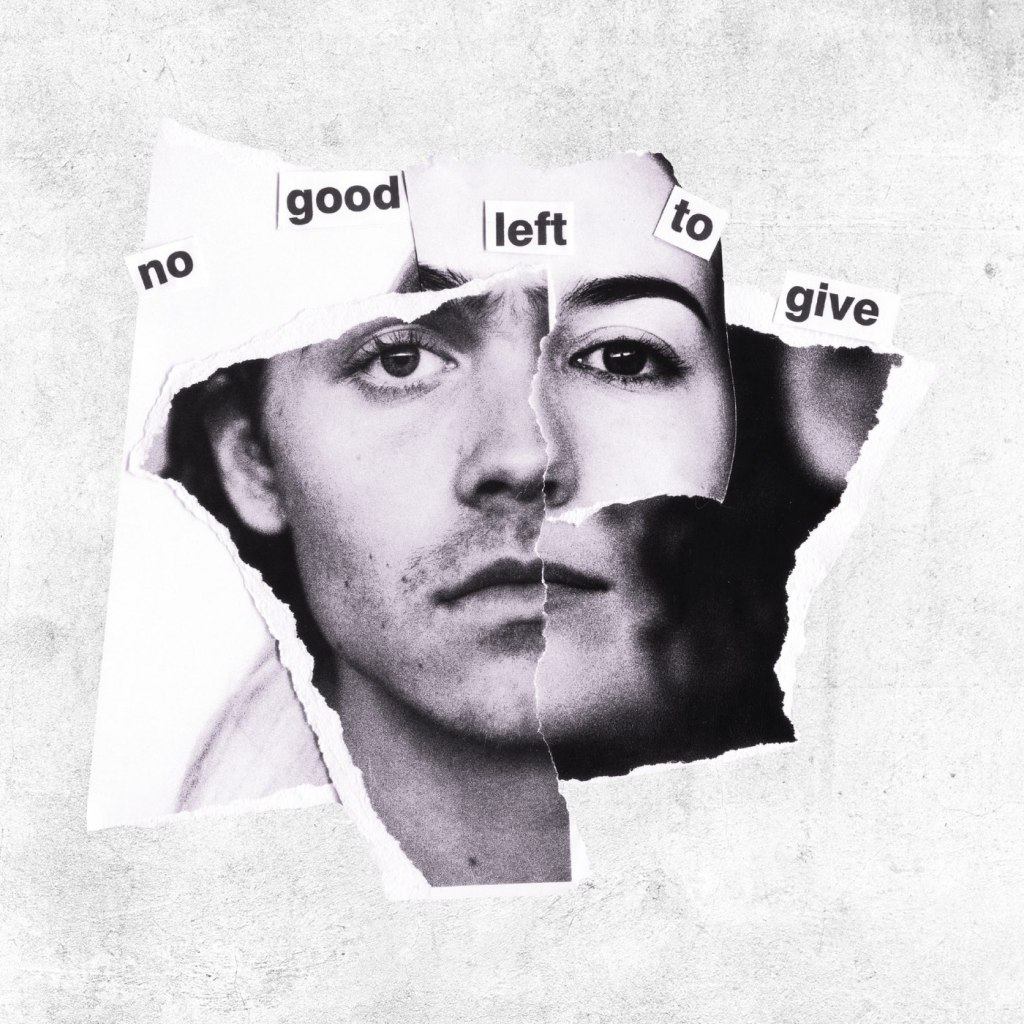
Movements – No Good Left to Give

Protest the Hero – Palimpsest

Biffy Clyro – A Celebration of Endings

Taylor Swift – Folklore

Pinegrove – Marigold

The Beths – Jump Rope Gazers

Bob Dylan – Rough and Rowdy Ways

And now, my top ten albums of 2020!

10. Lamb of God – Lamb of God
There’s nothing better than an album that defies expectations. Between the departure of drummer Chris Adler from the band, and the overall discrepancy in quality between their classic records and their more recent ones, I can’t say I expected this album to be a standout in Lamb of God’s catalog, let alone one of my favorite albums of the year. But in spite of everything, Lamb of God’s self-titled record is as deliciously heavy and irresistibly groovy as fans could have every wanted. The band makes great use of subtlety in soft, haunting moments, similarly to their previous record, and always come back with an absolutely brutal contrasting attack that you’d have to be dead to sit still through. Lyrically, the band is on point as always, this time pulling no punches in calling out everything they see that’s wrong with the world, making for an album that’s as pointed and purposeful as Ashes of the Wake. Even if this album doesn’t quite stand up to the band’s classics, as a fan, I’m absolutely ecstatic that they are still managing to prove their relevance in the metal world, and I haven’t been able to put this album down since its release.

9. Hayley Williams – Petals for Armor

The original pop punk queen always seems to have a new trick or two up her sleeve. With her solo debut, the Paramore frontwoman has shown us a darker, realer, and more vulnerable side of herself than we have ever seen. Williams moves further in the incredibly personal lyrical direction of Paramore’s most recent album, and strips away the whimsy and the ironically upbeat, major-key new wave stylings, in favor of something far grittier than we’ve ever heard from her. Set to a dark indie, Radiohead-inspired soundscape, Williams bears all in a completely naked and vulnerable microscope examination of her soul, her emotional struggles, her recovery from her recent divorce, and a whole slew of other uncomfortable topics that most people would struggle to reveal to a therapist, let alone anyone in the world who makes the choice to push play. This album is a constant tug-of-war between funky, playful, sarcastic tunes that will hang in your head long after the record is over, and dirty, ugly, yet genuine moments that will first make you uncomfortable, and then touch something deep inside of you. And I’m here for every minute of it.

8. Boston Manor – GLUE
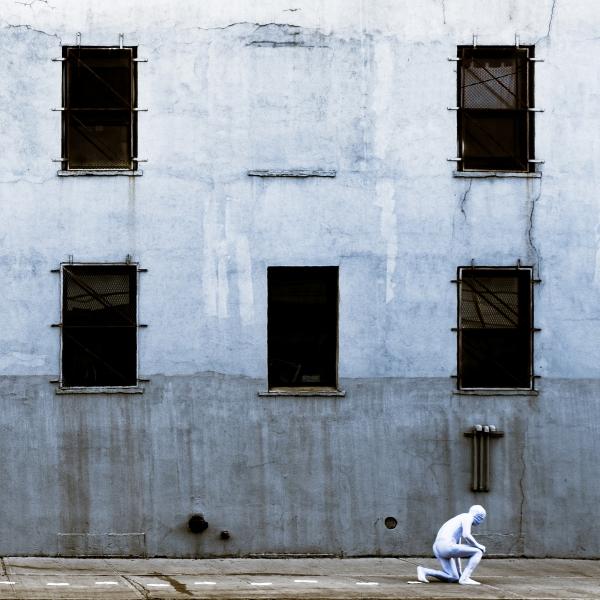
If you had told me just a few years ago that emo and pop punk would see a respectable revival in the near future, I might have laughed you out of the room. But bands like Boston Manor are more than enough to make even the most stubborn of naysayers rethink their position. With every new album, this band has built and expanded upon their classic emo-influenced sound, not content to exist within a box, or be confined to how it is already acceptable for the genre to sound. And with GLUE, we hear the band dive headfirst into the aggressive, glitchy industrial sonic textures that have characterized many rock releases as of late (this definitely won’t be the last time we discuss this trend on this list), while maintaining their already exceptional sense of melody, and paying closer attention than ever to instrumentation, making sure that every space in the soundscape is filled, in a way that provides exactly the mood and dynamics that any particular moment of the record could call for. This is also the band’s darkest record to date, and musically, moments of it are straight up heavy. It isn’t easy to be this inventive in a genre so often panned by critics for being generic and tropey, but Boston Manor make an excellent case for the viability of the newest wave of emo and pop punk acts.

7. The Killers – Imploding the Mirage
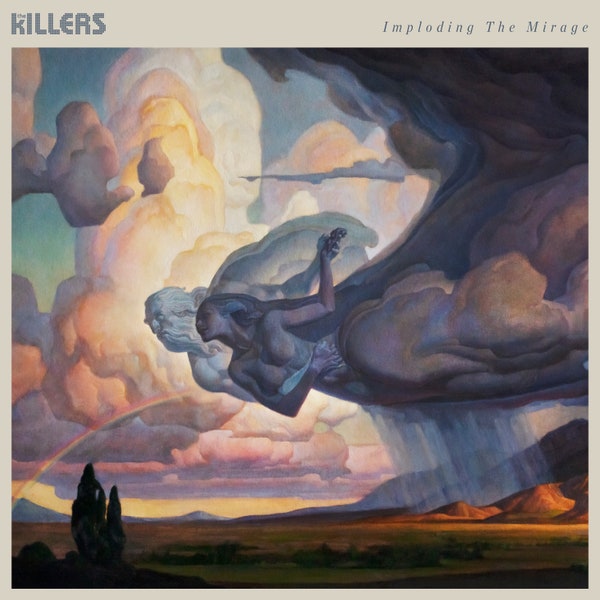
You can always count on The Killers to deliver the goods, and this album is no exception. Imploding the Mirage sees the band revisit the heartland rock approach originally taken on their most critically dismissed album, Battle Born. And as someone who has always had a soft spot for that album (I’ll take it over Wonderful Wonderful any day. Sue me.), I was thrilled to see them revisiting that sound and writing style, but this time with even more consistency, tighter presentation, and above all, even better songs. Nearly every moment of this massive sounding project is filled with soaring, triumphant hooks, impactful synth-driven instrumentals, and of course, the magical voice of Brandon Flowers. Put all these elements together, and you have the perfect musical backdrop to support the lyrical tales of love, adventure, loyalty, and aspiring to something greater. 2020 was a year full of anger, confusion, and unrest, and all of these feelings have shown up in much of the art and music to come out of it. And while there is certainly a place for that (as is evidenced several time on this list), there’s also a place for positive, elating escapism, and with Imploding the Mirage, The Killers have brought it in boatloads.

6. Destroyer – Have We Met
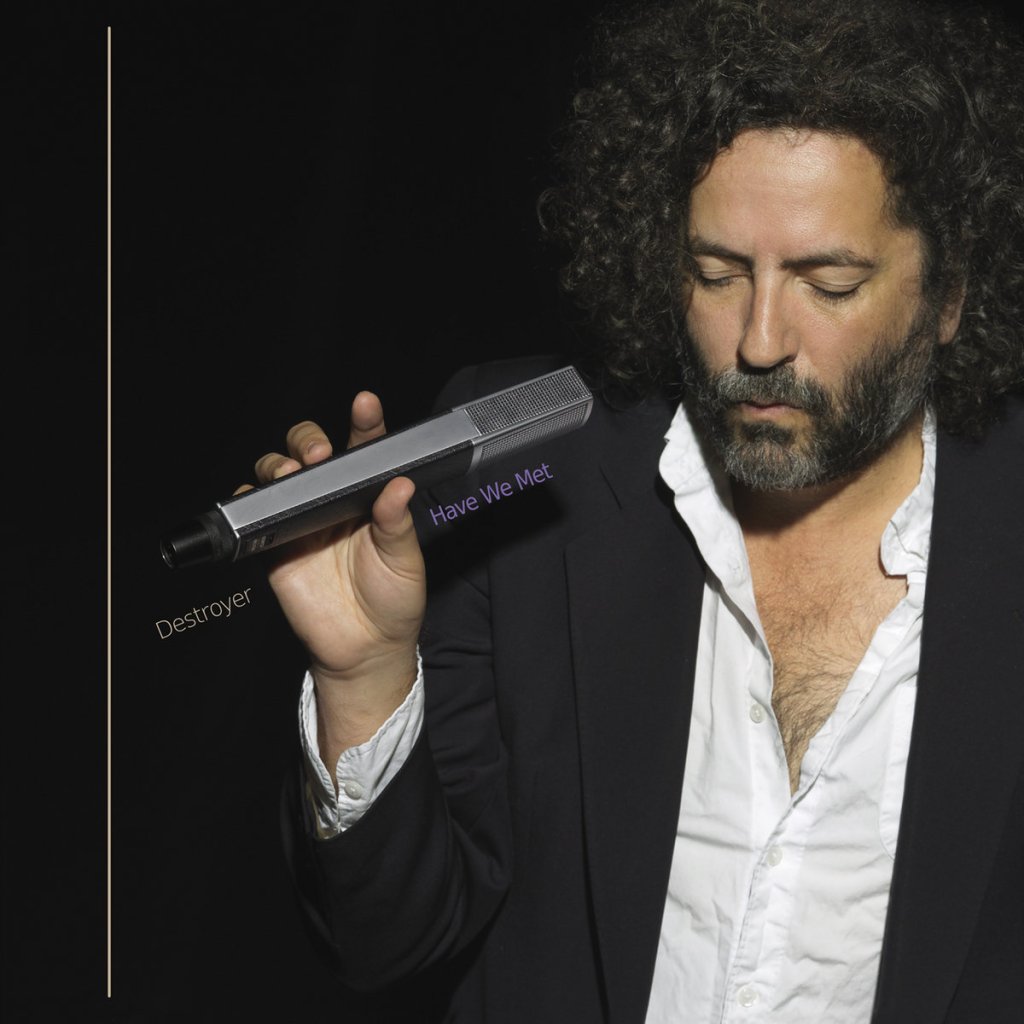
I know I’ve been pretty hard on some generally well received indie albums this year, but let’s not forget how much I gushed over this early-2020 gem way back in January. I’ve never even been more than a casual fan of Destroyer, but I’ve always appreciated their quirky, adventurous flair for creation an musicality. So I was a little surprised when they traded their chaotic, jazz-infused style for a more focused, polished, electronics-laced sound on Have We Met. I was even more surprised by how much I liked it. Taking into account what a lush, sleepy, synthy, slightly overindulgent musical soundscape this is, paired with Dan Bejar’s nasal crooning, and borderline-pretentious, stream-of-consciousness lyrics, there is literally no reason I should have liked this. And yet, I absolutely couldn’t get enough of it. All these elements, paired with the unwaveringly funky bass, tastefully bluesy lead guitar work, and balance of real and electronic drums, make for an experience that is warm, but haunting; eerie, but inviting. And all with the intangible comfort of a visit from an old friend, even on the very first listen. This was a bold, and somewhat surprising musical step for Destroyer, but it’s easily one of their best albums to date, and offers an intriguing, yet pleasant charm, that doesn’t waver with repeat listens.

5. Phoebe Bridgers – Punisher
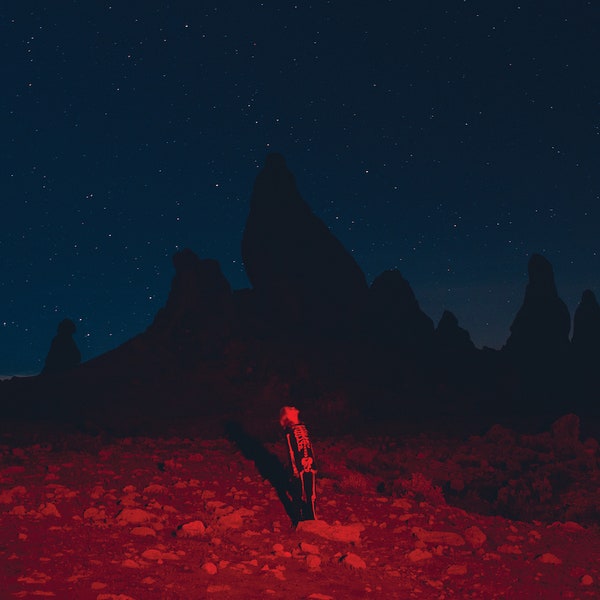
And now, onto another indie record that I was absolutely obsessed with this year. Prior to this album, my exposure to Phoebe Bridgers had been fairly limited, which is why I neglected to review it when it was released. And I’m still kicking myself for it today. When I eventually did get around to listening to this one after it garnered so much popularity in the indie sphere, I immediately fell in love with it. As a songstress, Phoebe Bridgers is nothing short of dazzling, and her dry, quirky approach to storytelling makes her songs so easily relatable to just about anybody who cares to listen. Set largely to chill, laid back piano and clean guitar music, Bridgers gives listeners a very intimate look into her thoughts, her troubles, her passions, as well as heartfelt and endearing stories, told with the witty charm of an indie teen comedy. More boisterous instrumental elements like upbeat drums, fuzzed out guitars, and occasionally even a horn section, make for more textured dynamics, but sit tastefully in the mix, at a level that perfectly restrains them from juxtaposing too harshly against the lush atmosphere that carries consistently throughout the album. Phoebe Bridgers is quickly establishing herself as one of the most effective and gripping songwriters in the modern indie scene, with the ability to go from making you laugh with her sardonic attitude, to crushing your heart into a million pieces, in seconds flat. I’m not exaggerating when I say Punisher is one of the most beautiful things I have ever heard, and I eagerly await what comes next from Pheobe Bridgers.

4. Trivium – What the Dead Men Say
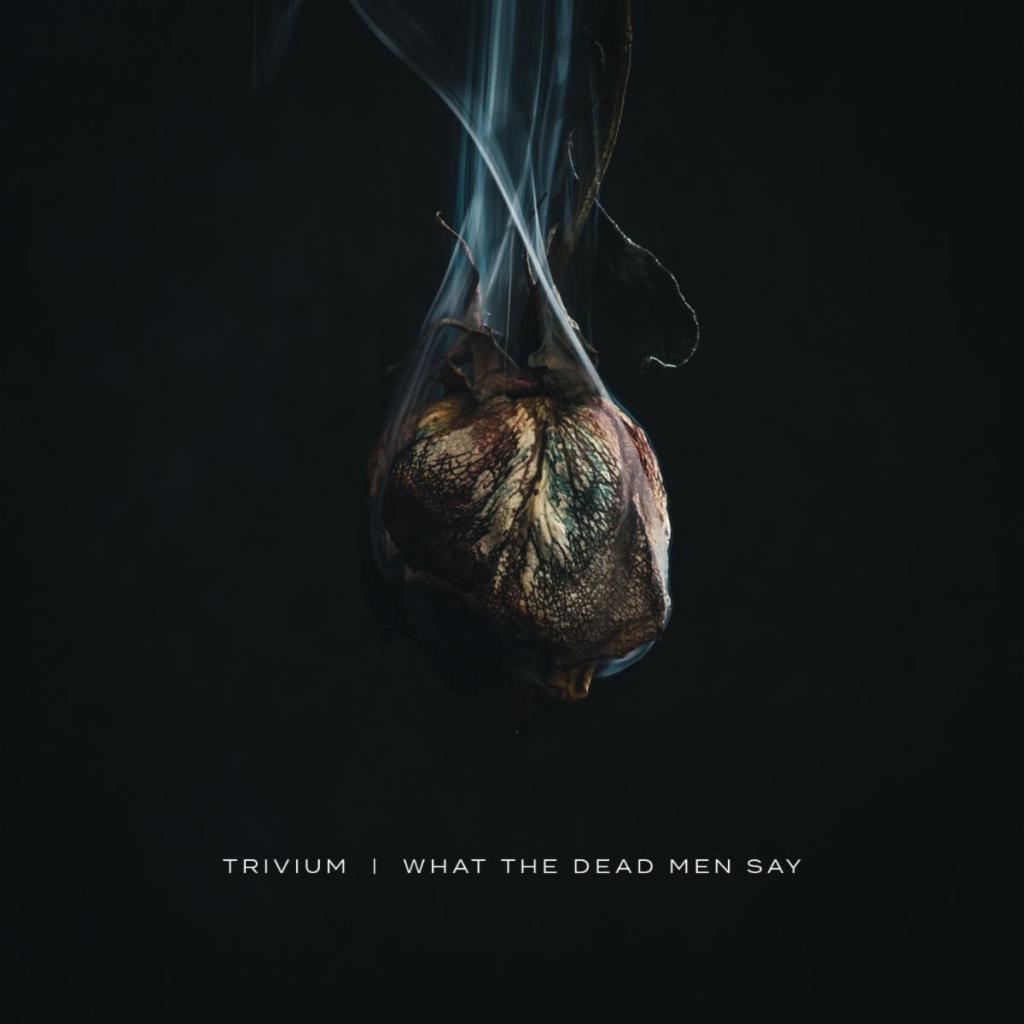
At this point, I truly believe Trivium can do no wrong. What the Dead Men Say is not only up to par with the rest of the band’s nearly flawless discography, it is easily one of my favorite albums from the band to date. Having dabbled in everything from thrash, to metalcore, to prog in their two-decade career, Trivium are without a doubt one of the most versatile metal bands of my lifetime. And with What the Dead Men Say, they have packaged every sound and style they have explored, and every strength they have as a band into one sleek, 46 minute package. Combine the fact that this album is such a diverse sampling of everything that makes Trivium a household name in metal, with the relatively unintimidating runtime compared to some of the band’s other works, and you have perhaps the perfect entry point into this incredible band, if you aren’t familiar with their work. And believe me, it will leave quite the first impression. Every element of this album, be it Matt Heafy’s writing, the vocals, the instrumentation, the production, and the cohesive flow and presentation, is on point, with the band very clearly putting their everything into making this an album to remember. But again, that can be said of pretty much every album in their discography. It’s not often that two decades into a band’s career, they’re still pumping out their best work, but I think its safe to say we’ll be able to count on Trivium to deliver the best that modern metal has to offer, for years to come.

3. Spanish Love Songs – Brave Faces Everyone

Here’s another album that I’m still kicking myself for not reviewing when it came out. The truth is, at that point, I hadn’t even heard of Spanish Love Songs. But when this album was met overnight with glowing recommendations from pop punk circles everywhere, I knew I had to check it out. And I can’t overstate how much this album lives up to the hype. Spanish Love Songs are yet another band that are out there hustling 24/7 to prove that pop punk still has some life left in it. With powerful, emotive vocals, and raw instrumentals that trade the sugar and polish of 2000s pop punk for some real teeth and impact that the genre hasn’t had since the 90s, Spanish Love Songs are leading the pack in the pop punk revival that is gathering more and more steam every year. But the real highlight of the album is the lyrical content. Brave Faces Everyone is a battlecry on behalf of every 20-something who is struggling to get by, unsatisfied with the political landscape, battling with depression, grappling with the concept of their own mortality, or unsure if they’ll even make it as an independent adult. Such grim topics are so easily relatable to members of the younger generation, and with the way 2020 unfolded shortly after this album’s February release, it only became more and more relevant by the day. If you’re someone who has struggled with your mental health in light of the events of late, this won’t be an easy listen. But the ability of Spanish Love Songs to create such a relatable artistic statement in response to the issues of the day, and to evoke such a powerful, visceral, emotional response from listeners is what makes it one of the year’s best musical offerings by far.

2. Poppy – I Disagree

I hereby crown Poppy the new queen of genre-bending. When this YouTube-born electropop star announced that her third studio album would be a metal album, it understandably raised some eyebrows. But I Disagree is one of the most creative, chaotic, and completely irresistible exercises in genre fusion I have heard in recent years. When the first several singles from this album were released, and the world heard Poppy’s sugary pop vocal melodies, set against raucous metal guitars, the Babymetal comparisons immediately began rolling in. And while I have nothing but love for Babymetal, Poppy transcended that level of gimmickry with I Disagree, fusing excellent metal grooves and riffs with head-pounding Nine Inch Nails-inspired industrial electronic elements, to provide a perfect backdrop to Poppy’s vicious, unforgiving appraisal of abuse, hypocrisy, and the controlling nature of the music business. The brutal instrumentals fuse beautifully with Poppy’s infectious melodies, despite everything we know about genre classification telling us that they should clash. Poppy has made it her mission to cultivate a post-genre music world, and an album as fearlessly fun as I Disagree is a great first step.

1.Code Orange – Underneath
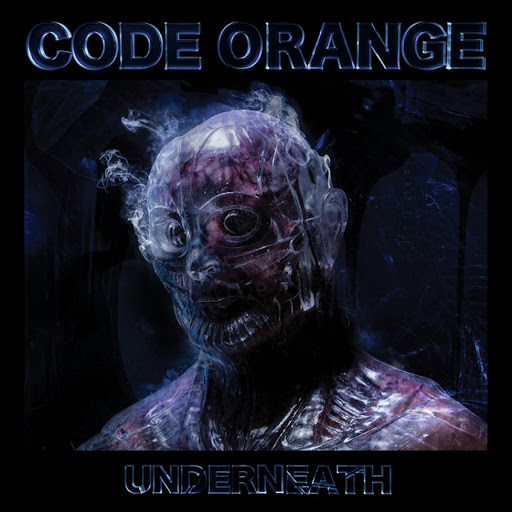
While putting this list together, I had to make some tough choices. This wasn’t one of them. From the first time I immersed myself in the world of Underneath back in March, I had my doubts that anything else would be able to top it this year. Code Orange have given us a concept album, lamenting fakeness, hypocrisy, and the overwhelming aspects of the modern world, particularly in the realm of the internet and social media. Yet another album that became surprisingly more relevant just weeks after its release. This subject matter is accompanied immaculately by an absolutely crushing barrage of heavy, drop-tuned guitars, blasting drums, and extremely loud and aggressive glitchy electronics, occasionally giving way to softer, more restrained moments to allow the listener to catch a breath. This contrast is complimented effectively by the vocal contrast between Jami Morgan’s punishing roar, and Reba Meyers’ powerful and dynamic, but usually clean(ish), singing style. All of this makes for an absolutely overwhelming, and at times horrific, experience that will repeatedly punch you in the stomach, before it utterly consumes you. But once Code Orange has ahold of you, you’ll never want to look back. This is the kind of abrasive and punishing, yet inventive and imaginative metal that proves that there’s still a path forward for heavy music. So push play if you dare. You’ll be glad you did. In fact, if I’ve discussed any album here that you haven’t heard, do yourself a favor and remedy that as soon as possible. Happy New Year, and rock on.
MINI-REVIEWS: December 2020

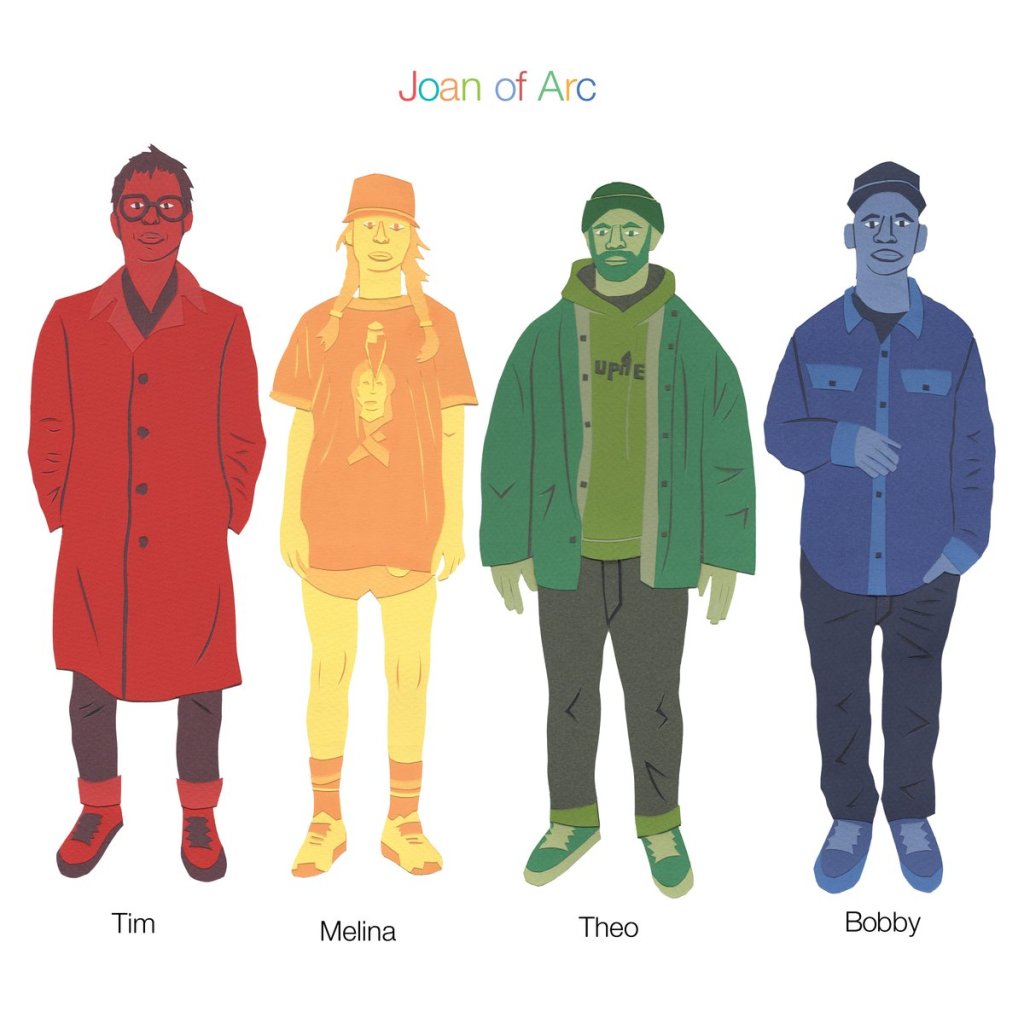
Joan of Arc – Tim Melina Theo Bobby

Some of you may have noticed that I don’t talk very much about post-rock around here. And that’s not because I have anything against the genre, so much as that I just never really caught the hype train. But all that aside, virtually nobody releases new music in December, so I really have to take what I can get. And I figured this being Joan of Arc’s final album makes it worthy of discussion. So what do we get from Joan of Arc’s farewell to the world? Look, even as someone who hasn’t heard nearly all of this band’s massive body of work, I can tell you that this isn’t the band’s best. It comes off as shaky and uneven, the lyrics walk a fine line between brilliance and nonsense (then again, that can be said of this entire genre), and it goes in a lot of different directions, seemingly uncertain of what it wants to be. But by that same token, it also functions as a good sampling of everything this band has been capable of for the last quarter century. We get the lush, sleepy indie moods that made them famous, some darker, more grim moments, and several industrial and electronic passages as well. Tim Kinsella and Melina Ausikaitis split lead vocals pretty much 50/50, making this a best of both worlds experience. As I said before, this one can be a little rough, and it’s certainly nowhere near the quality of their masterpiece debut, but it ultimately functions as a respectable and satisfying sendoff for Joan of Arc.
Score: 3.5/5

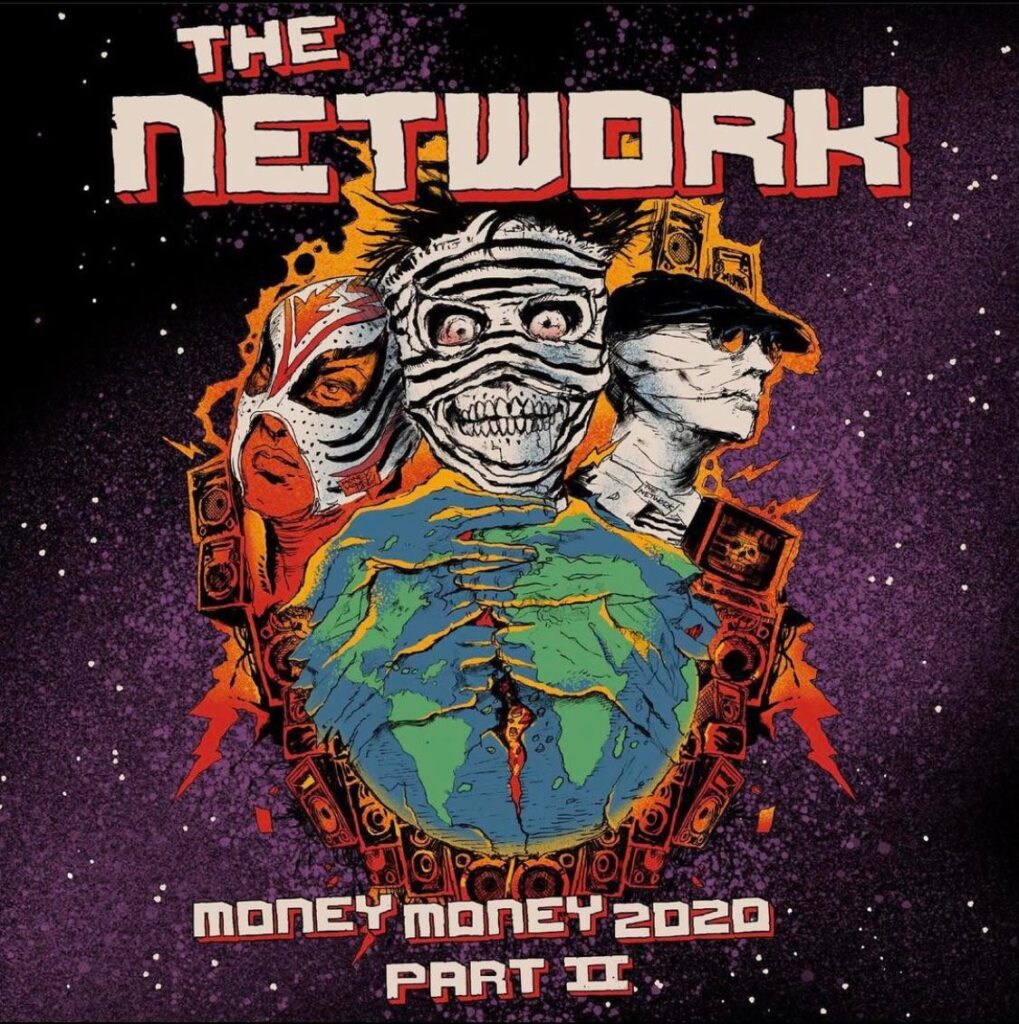
The Network – Money Money 2020 Pt II: We Told Ya So!

In 2003, this mysterious, masked new wave band, who totally aren’t Green Day (if you know, you know) released their debut album, Money Money 2020, a concept album in which the band claimed to be prophets from the future, and warned that the year 2020 would be a disaster. So naturally, with how alarmingly correct they were, they’re back 17 years later, with the aptly titled Money Money 2020 Pt II: We Told Ya So! And with song titles like “Flat Earth,” “Pizzagate,” and “Ivankkka is a Nazi,” any subtlety that the band’s first album held has gone out the window with this one. While the lyrical content is much more forward on this one, the band’s musical structure hasn’t changed much, meshing a very Green Day-like punk energy and approach to instrumentation, with silky, 80s new wave synth textures. Lead vocals are split about 50/50 between guitarist Fink (who sounds strikingly similar to Billie Joe Armstrong) and bassist Van Gough, with drummer The Snoo even taking vocal duties on a small handful of songs. All three contribute vocally to the new wave theme, taking cues from the deep, half-chanting vocal style associated with bands like The Talking Heads, The Cars, and Modern English. If there’s a major downfall to this album, it’s the length. There’s no reason for this to be nearly an hour long, as only about half of these songs have longterm replay value. In fact, the brief length of the first record is a huge part of what made it so effective. Even if this record amounts to little more than a novelty, and likely won’t be remembered a few years down the road, it’s a fun, timely, topical little excursion that’s definitely good for a spin or two.

Score: 3/5

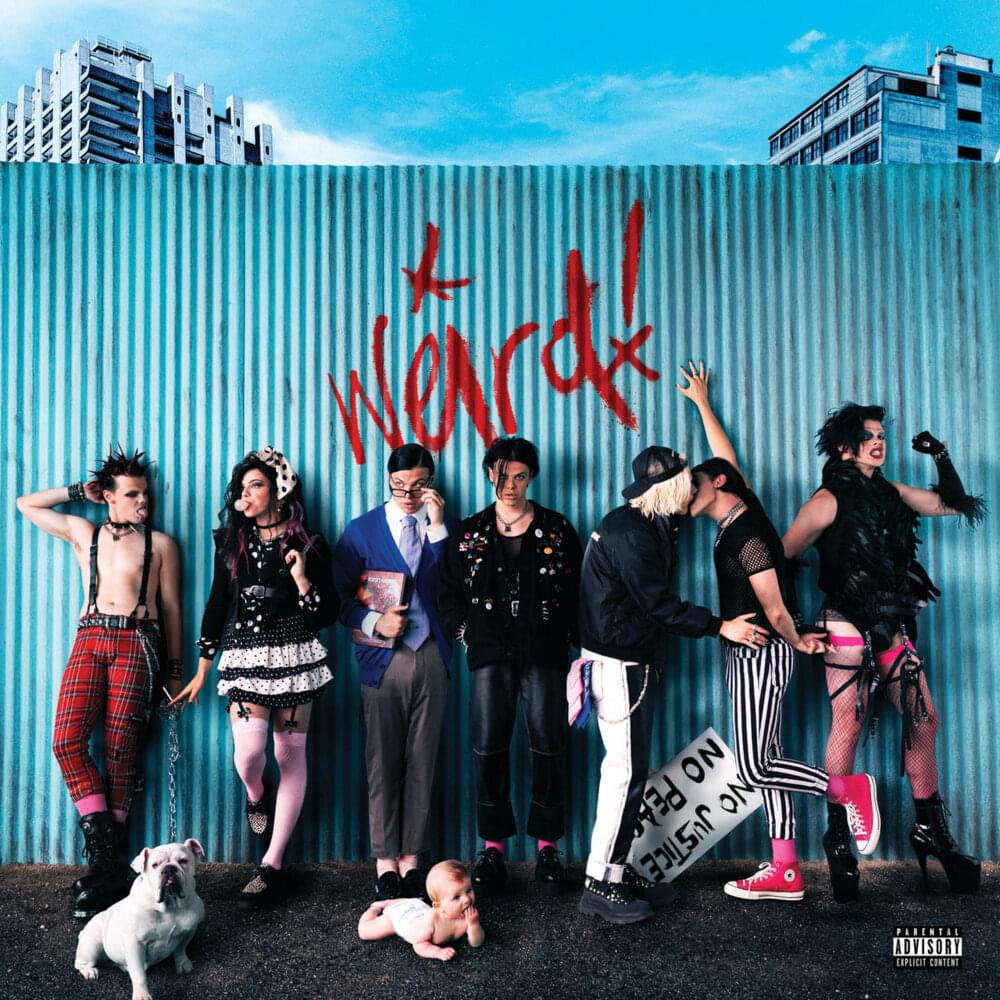
YUNGBLUD – weird!

I’ll admit, it isn’t always easy to go into an album with an open mind. Especially when the artist is an insufferable, pseudo-emo brat like YUNGBLUD. But alas, it’s my job to look past that, and form an opinion based on the music, and the music alone. And with that in mind, I can at least say that this album is leagues better than YUNGBLUD’s nearly unlistenable debut album, 21st Century Liability. With this one, YUNGBLUD shows more versatility, offering a greater breadth of moods and lyrical themes, dabbling in softer moments that contrast against his usual snotty pop-punk sound, and offering lyrical passages that at times actually seem vulnerable and genuine. All that being said, this is still very much a YUNGBLUD album. YUNGBLUD’s douchey personality and obnoxious vocal inflections are pretty much inescapable, souring even some of the better moments this album has to offer. And for every song that’s actually somewhat lyrically interesting, there’s another that’s wrought with YUNGBLUD’s trademark faux-intellectual “we live in a society” drivel. The entire atmosphere of this album can be a little confusing, with the harsh, 2000s emo style of YUNGBLUD’s vocals, and his backing instrumentals, glossed over with very modern pop production. And while this formula can be done well, Palaye Royale’s new album from earlier this year is a much better example of that. Ultimately, it’s nice to see YUNGBLUD growing and maturing as an artist (at least a little bit), but at the end of the day, his biggest obstacle is his presentation of himself, and its not an obstacle he seems to have plans of overcoming anytime soon.
Score: 2/5

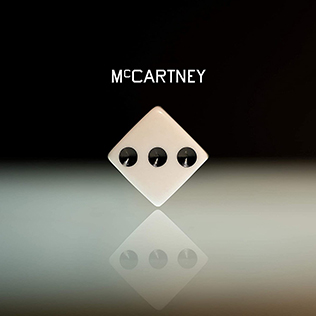
Paul McCartney – McCartney III

And to conclude the year in major rock releases, we have, appropriately, one more quarantine project, this time from one of rock and roll’s greatest living treasures. McCartney III gives listeners the feeling that Paul McCartney went into the studio with no prior conceptual outline, and just wrote. Like some of McCartney’s classic works, the instrumental parts on McCartney III are almost entirely recorded by McCartney himself. And it’s clear he had fun. With all the free time he had, McCartney was able to play around with layering vocals and instrumentals in weird, zany ways, harmonizing with himself on guitar, and psychedelic mellotron tones. The general feel of the record is fairly laid back with acoustic guitar and piano often at the forefront, while the drums and electric guitars grab their own share of the spotlight on a handful of mid-tempo blues romps. And perhaps best of all, McCartney’s voice still sounds amazing. Typically by the time rockers reach McCartney’s age, their voices have long since started to go, but McCartney still sounds every bit as good as he did on Rubber Soul. And above that, his passion and enthusiasm haven’t waned a bit. Realistically, it’s pretty unlikely that any of these songs will be immortalized as McCartney classics, as this record comes nowhere near the top-to-bottom masterpiece status of his earlier records (let alone his Beatles output), but it’s clear when you listen to McCartney III that Paul McCartney is still madly in love with writing, creating, and putting a little bit of goodness out into the world. And as a longtime fan, I couldn’t be happier about that.

Score: 4/5

MINI-REVIEWS: November 2020

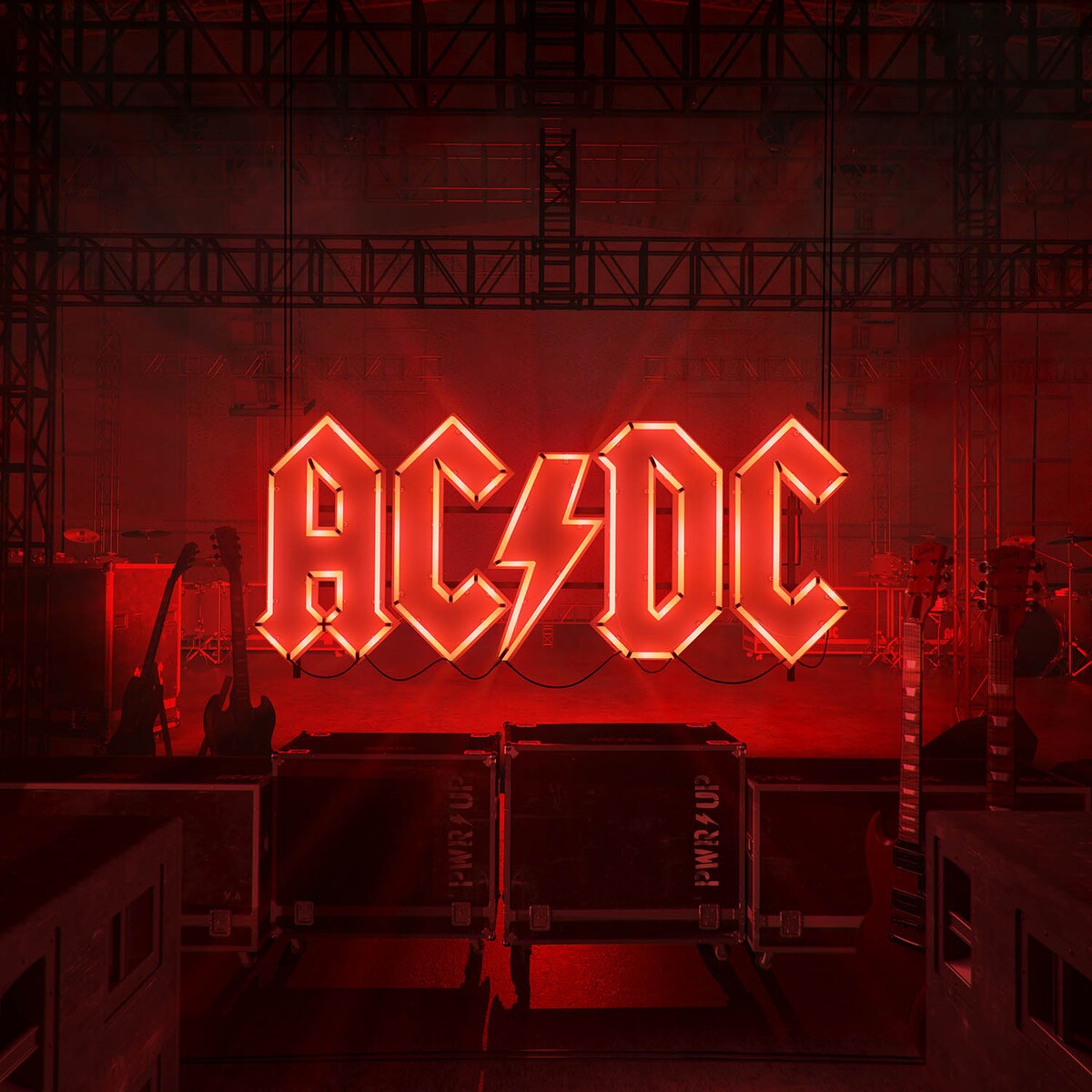
AC/DC – POWER UP

Rock and roll titans AC/DC hit us with their second studio album without rhythm guitarist Malcolm Young, but their first since his death. However, every track on this album was co-written by Young before his death, which was enough to give AC/DC fans hope that the hyper-infectious riff magic was still there. Unfortunately, that didn’t end up being the case. Don’t get me wrong, the unmistakable AC/DC sound and style remain present, but the memorable hooks and riffs that made Highway to Hell and Back in Black classic records just aren’t really there. With a few choice exceptions, we get a slew of mid-tempo blues-rockers that are good for a head bob in the moment, but don’t really hang in your memory. Even the better moments only work because they recycle ideas from classics like “Thunderstruck” or “Have a Drink on Me,” but without quite hitting the energy or momentum that the band so effortlessly cranked out on those tracks. But hey, at the end of the day, who expected this to be as good as the band’s classics? While this isn’t a masterpiece, I wouldn’t say the band are phoning it in either, and they ultimately do a respectable job of paying tribute to the late great riff God himself. POWER UP may be little more than a victory lap for this highly accomplished classic rock band, but it’s a victory lap that couldn’t be more deserved.

Score: 3/5

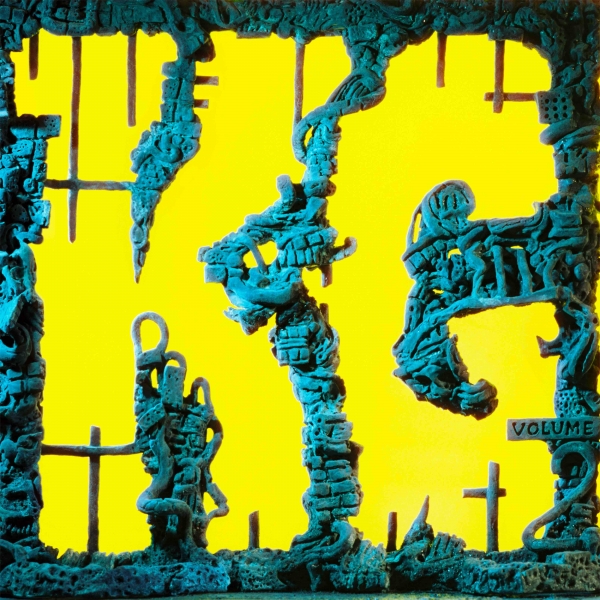
King Gizzard & the Lizard Wizard – K.G.

I was starting to worry. Were we really not getting any new King Gizzard this year? As if 2020 wasn’t bad enough already. But thankfully, as the year (finally) winds to a close, King Gizzard have delivered us their 16th studio album, K.G. And I must say, with this new release, King Gizzard really sound like…King Gizzard. And that’s not even a bad thing. This album has all the zany, psychedelic instrumentation and construction that keeps listeners coming back to King Gizzard’s staples, such as I’m in Your Mind Fuzz and Nonagon Infinity, plus a few moments that draw from the high-pitched droney elements of Flying Microtonal Banana. But I can’t say this album is nearly as memorable as any of those. And at this point in their career, Gizzard have more than earned the right to rehash their classic approach, as long as they don’t get too lazy with it, but it still remains slightly disappointing, especially when this band isn’t a one trick pony in the slightest. In fact, some of their more adventurous releases, such as their 2017 prog epic Polygondwanaland, and last year’s thrash metal rager Infest the Rats’ Nest (which you might remember snagging an honorable mention on my best-of-the-year list) have joined the ranks of my favorite King Gizzard albums. Overall, K.G. lives up to the standards that this band have set for themselves, but as I’ve just established, there have been several significantly better King Gizzard records released in recent years.

Score: 3.5/5

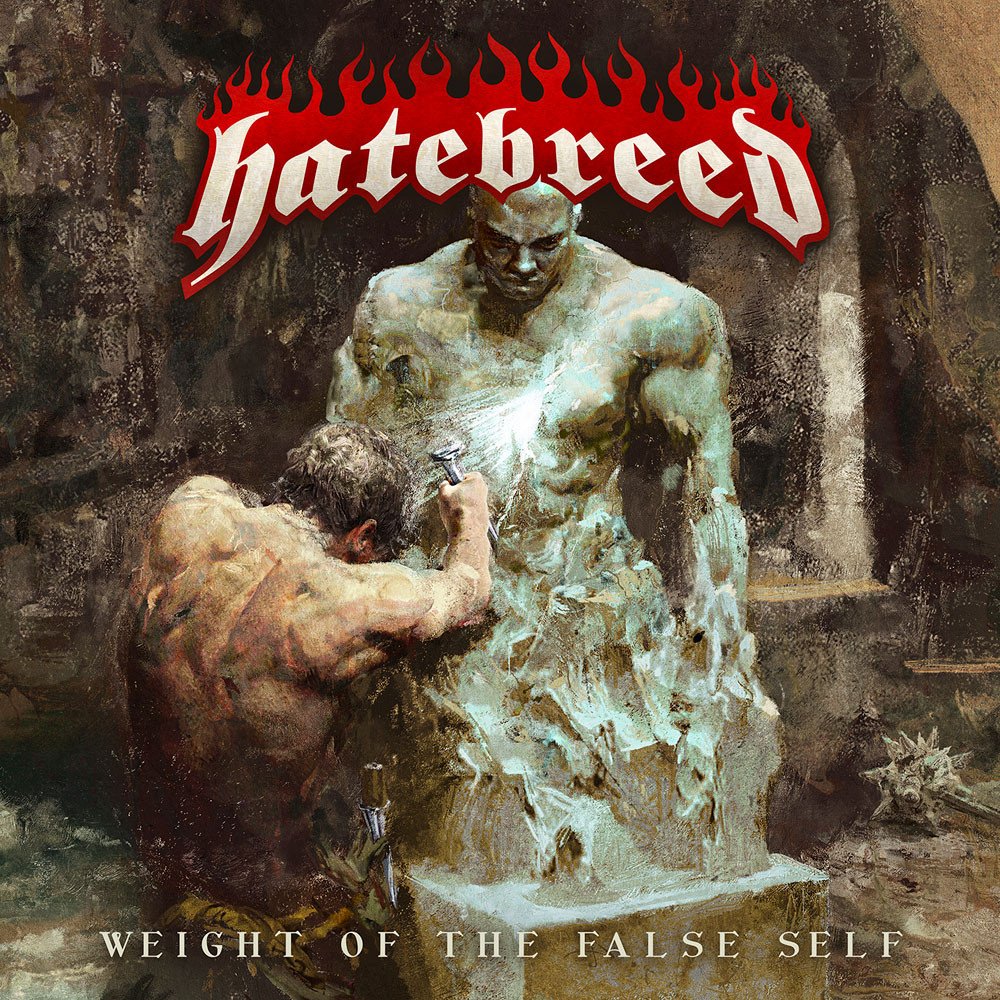
Hatebreed – Weight of the False Self

If you’ve been reading my blog for very long, you’ve probably figured out that this particular stripe of metalcore has never really been my thing. So that being said, take my opinion on this album with a grain of salt. But even not being a Hatebreed fan, I feel like the band has really bottomed out with this one. Apart from the lame, unimaginative riffs and compositions, the lyrics see Hatebreed achieve a new level of clunkiness, meatheaded simplicity, melodramatic cheese, and just plain cringe. The band can’t seem to decide whether they want to be angry and macho, or pseudo-deep and introspective, with some songs being wannabe-edgy and slightly toxic, while others offer generic, surface level life advice, from a group of guys that really have no business giving it. And all of this under a pretentious album title that almost seems to imply some level of depth and thoughtful writing went into it. If you’re a fan of this band, and you don’t read too deeply into the lyrics, this album checks all the boxes for the most part (while doing little more), but for everybody else, there’s not much here to recommend.

Score: 1/5

The Smashing Pumpkins – CYR

So I guess we’re never getting Shiny and Oh So Bright, Vol 2? Oh well. What The Smashing Pumpkins have given us instead is CYR, a double album that is supposed to be a continuation of Mellon Collie and the Infinite Sadness and Machina/The Machines of God. And I can’t honestly say that this new project deserves to be a part of the same conversation as these two Smashing Pumpkins classics (yes, I’m a Machina defender). It really breaks my heart to see what has become of one of my all-time favorite bands in the last couple decades, but I’m sorry to say that CYR continues to see Billy Corgan fall further down the spiral of his own self-absorbed pretension, and the return of James Iha and Jimmy Chamberlin hasn’t done much to reroute this trajectory. We see the band delve deeper into Corgan’s apparent love affair with 80s new wave, which was already creeping up fast on Shiny and Oh So Bright, Vol. 1, but at least that album featured a handful of different ideas, and packaged them into a pretty unintimidating runtime. CYR on the other hand, apart from being almost intolerably long, features minimal sonic diversity, doling out the same synth-laden grooves and melancholic melodies over and over and over for an hour and twelve minutes. And when I say this album is almost all synth, that’s not an exaggeration. The aforementioned original members may as well have stayed away, because they barely stand out anywhere on this record. The songs aren’t terrible at all, the grooves work from time to time, and the haunting female backing vocals are a really nice touch. But honestly, this really needed to be another eight-song, half hour package, in the style of Shiny and Oh So Bright. There was a time when The Smashing Pumpkins could pull off these long, ambitious, epic records, but CYR is a dry, sonically stagnant, grey blob, which comes nowhere near the magnificent emotional whirlwind that records such as Siamese Dream and Mellon Collie engulfed listeners in.

Score: 2/5

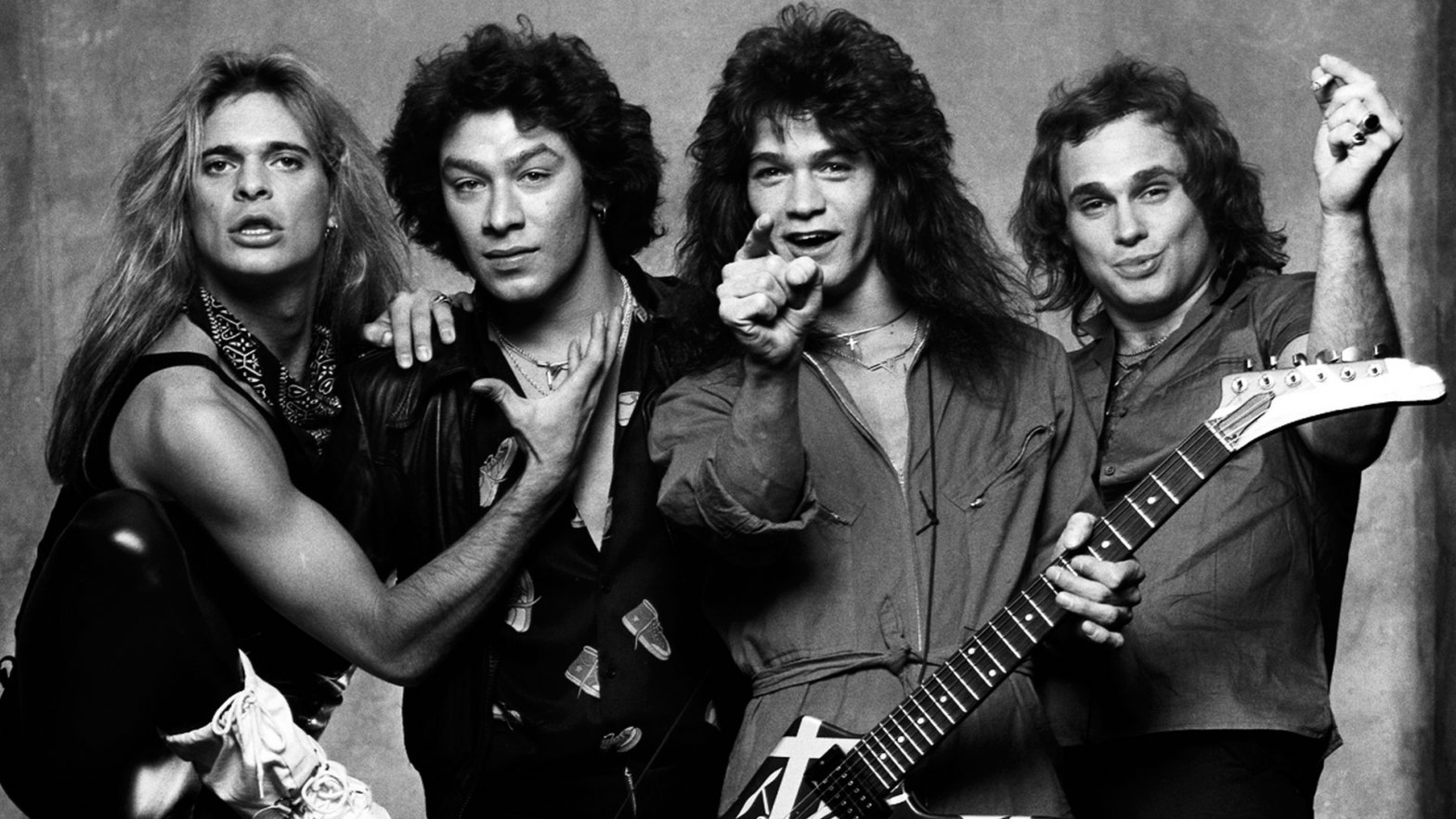
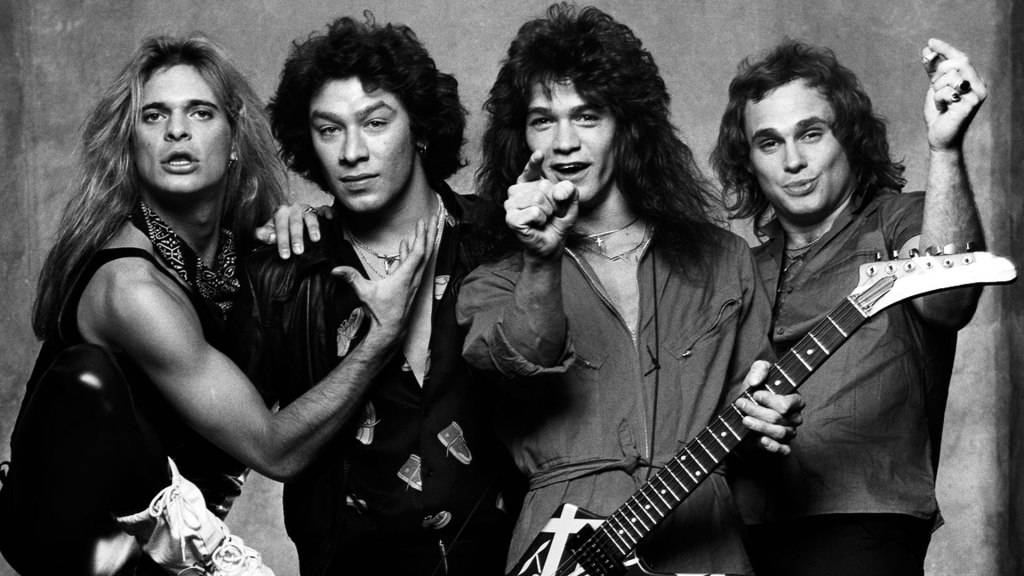
Every Van Halen Album Ranked

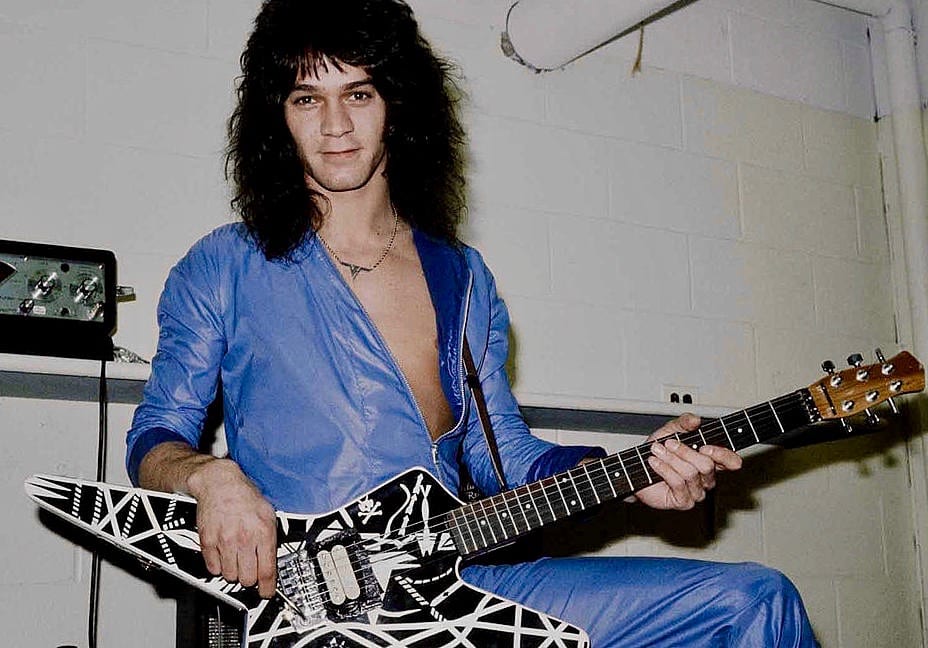
Hello, and welcome to another discography ranking. As with my Rush discography ranking from January of this year, this one comes in light of some not so happy news. If you are the kind of person who reads rock blogs, chances are you’re well aware of the passing of Eddie Van Halen. What can I even begin to say about this individual? Eddie Van Halen was one of the greatest, most innovative, and most face-meltingly badass guitarists ever to touch the instrument. Apart from perhaps Jimi Hendrix, nobody has inspired more kids to pick up an electric guitar. So today, to pay tribute to the musical accomplishments of Eddie and his band, we’ll be ranking the 12 studio albums of Van Halen. Let’s get started!

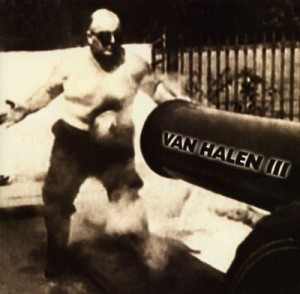
12. Van Halen III (1998)

I hate to say it, but I really don’t have much good to say about Van Halen III. For over a decade leading up to this album, Van Halen had gradually embraced bulkier songwriting, leading to longer album runtimes, and relying more and more on keyboards and ballads. And while many fans blamed Sammy Hagar for this transformation, his departure from the band certainly didn’t make matters any better. No disrespect to Gary Cherone as a vocalist, but he really doesn’t bring any personality of his own to the table here. What he offers is essentially an underwhelming attempt to mix David Lee Roth’s charisma with Sammy Hagar’s hard rock pipes, and it doesn’t even come close to making a lasting impression. On top of that, the hand he was dealt just happened to be the weakest batch of songs in Van Halen’s discography. They’re too long, the momentum never rises too high above mid-tempo sludge, and on top of lacking anything memorable or even that enjoyable, the total runtime is well over an hour long. Completely unnecessary. Not to mention, bassist Michael Anthony was barely present, and perhaps not coincidentally, the three songs he actually played on are the only redeemable moments of this absolute snooze. Even being the completist I am, I give you my full blessing to skip this one.

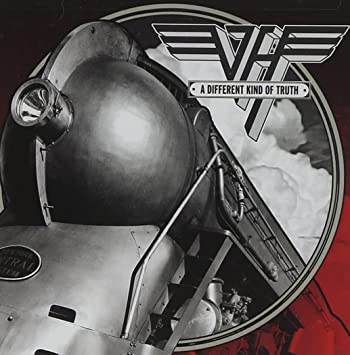
11. A Different Kind of Truth (2012)

With David Lee Roth back on lead vocals for the first time since 1984, and Eddie Van Halen’s son Wolfgang Van Halen taking over on bass, Van Halen delivered a final album that is more or less a callback to the early days. And while it isn’t anywhere near as good as any of those early albums, nobody really expected it to be, at least at this point in the band’s career. So given that expectations weren’t exactly through the roof for this one, I honestly can’t really complain about it. It saw Van Halen returning to their wild compositional style, relentlessly shreddy riffs and solos from EVH, and Roth’s delightfuly ornery personality and lyrical style (not to mention Wolfgang more than holding down the fort on bass). We even got a pretty enjoyable rock radio single in the form of “Tattoo.” Even if it doesn’t have the longterm replay value of the band’s classic works, Different Kind of Truth sees the band come full circle to deliver as satisfying a swan song as anybody could expect of them (and if this album never existed, that title would belong to Van Halen III, so I’ll take what I can get).

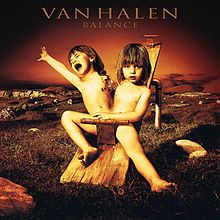
10. Balance (1995)

Even being a pretty big Van Hagar defender, I must admit that the issues fans had with this era of Van Halen were becoming pretty glaring by this point. It’s on the lengthy side, the dynamics can be pretty toned down, often erring on the ballad side of things, and the album’s biggest single, “Can’t Stop Loving You” may be the single cheesiest thing Van Halen has ever written. But that’s not to say Balance doesn’t have strong moments too. Ragers like “The Seventh Seal,” “Big Fat Money,” and “Aftershock” proved that Van Halen could still rock it old school, even if the band’s bigger hits from this era told a different story. And even I must admit “Take Me Back (Deja Vu)” is one of the better love ballads in the band’s discography. Overall, Balance doesn’t have much top-to-bottom replay value, as it begins to show warning signs of the issues that would plague Van Halen III just a few years later, but there’s definitely enough good stuff hear to make it worth checking out.

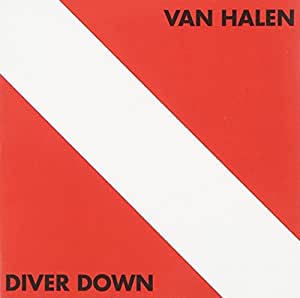
9. Diver Down (1982)

The original run of Roth-lead Van Halen albums are viewed as somewhat sacred by Van Halen fans, so it may seem blasphemous to rank any one of them this low. However, my issue with Diver Down isn’t the quality of the music itself, but simply the fact that it feels like the most incomplete album in Van Halen’s discography. Five of the 12 tracks on this already very short album are covers, leaving barely an EP’s worth of original material, and none of it among the strongest of the DLR era. This album was carried entirely by its cover songs. But hey, let it never be said that Van Halen don’t know how to make a cover all their own. Roy Orbison’s classic, “(Oh) Pretty Woman” has become just as synonymous with Van Halen as with Orbison himself, and the band pay obligatory service to Eddie’s obsession with The Kinks on their cover of “Where Have All the Good Times Gone!” Their cover of “Happy Trails” admittedly functions as a pretty weird closer, but early Van Halen were just goofy enough to pull it off. At the end of the day, Diver Down functions as a glorified covers album, which also features some decent original deep cuts that are worth hearing at least once.

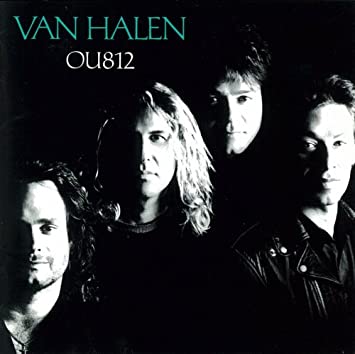
8. OU812 (1988)

Sure this album was a continuation of everything Roth-era purists hated about 5150, but for fans of the Van Hagar style, the majority of this album is actually really solid. Songs like “When It’s Love” will always be divisive among the Van Halen fanbase (I’ll gladly admit I love it), but the other two singles, “Black and Blue,” and “Finish What Ya Started,” have all the Van Halen energy and personality that fans could ever ask for. And come on, who doesn’t love “Cabo Wabo?” This album may be a little heavy on the ballads, but I don’t think this album, or the Van Hagar era in general, get enough credit for the great hard rock tunes that came out of it. Perhaps this is because the synth-laden love songs were consistently released as singles, but that was only one side of Van Hagar. OU812 certainly falls short of the energy, consistency, and top-to-bottom classic status of 5150, but there’s way too much good here to dismiss it outright.

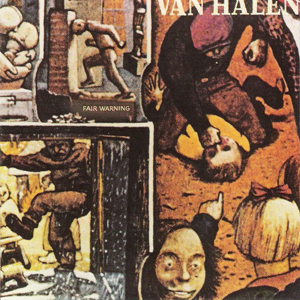
7. Fair Warning (1981)

Sure, the Van Halen formula had gotten pretty predictable by album number four, but is that really a bad thing? There were definitely signs here that the band would need to change it up soon (perhaps that’s why the next album was almost half covers), but on Fair Warning, Van Halen still had the energy and hutzpah that had driven their work up to this point, and that’s what matters. With a pair of stone cold classics in the form of “So This Is Love?” and “Unchained,” and a handful of hidden gems such as “Sinner’s Swing!” and “Push Comes to Shove,” Fair Warning was more than enough to keep Van Halen fans content with the band’s winning formula, at least for the time being. I can’t think of a better testament to the quality of Van Halen’s classic works than the fact that in the bottom half of the list, we already have an album that I really have no complaints about.

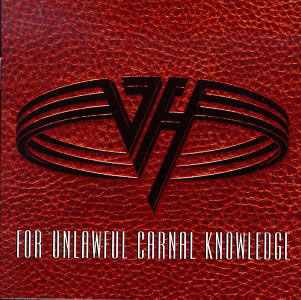
6. For Unlawful Carnal Knowledge (1991)

To Roth-era purists, For Unlawful Carnal Knowledge may as well have been titled The Album with “Right Now” on it. “Right Now” was the peak of Eddie’s love affair with keyboards, and as such is not always a popular one with old school Van Halen fans. Whatever you think of “Right Now,” the truth is that this song in no way represents the rest of For Unlawful Carnal Knowledge. In reality, this album is an absolute romp. “Poundcake,” “Judgement Day,” and “Pleasure Dome,” are among the most raw, raucous tracks Van Halen have ever written (both musically and lyrically), and even “Top of the World” has achieved classic status as an essential, old school sounding Van Halen single (this could be due in part to the fact that its melody is lifted from “Dance the Knight Away,” but every band starts self-plagiarizing around the decade mark, so who can complain?). If you’re strictly an old school Van Halen fan, chances are Right Now will always be your kryptonite, but don’t let that song be the reason you miss out on perhaps the heaviest album in Van Halen’s discography.

5. Women and Children First (1980)

If any album deserves the title Van Halen III, it’s this one. Apart from the fact that it’s Van Halen’s actual third album, it is a faithful continuation of the legacy the band established with Van Halen and Van Halen II, while also showing that the band was willing to go even heavier. Upon release, “And the Cradle Will Rock…” and “Everybody Wants Some!!” were two of the band’s hardest hitting singles to date, and that barely scratches the surface of this record. Women and Children First is filled to the brim with obscure gems, such as “Fools” and “Loss of Control,” which are some of the best examples of Van Halen’s tightness and impact as a unit, as well as “Take Your Whiskey Home” and “Could This Be Magic?” which are among the best of the gritty, sleazy, Roth-era ditties that we’ve all come to love so dearly. It wasn’t easy to put this album nearly halfway down the list. For most other bands, this could be in the top three, easily. But once again, that’s only a testament to how great Van Halen truly was.

4. Van Halen II (1979)

Very few bands manage to avoid the sophomore slump at all, let alone avoid it as fabulously as Van Halen did (especially with such a spectacular debut to live up to). Eddie and company managed to expand on their sound and flex their creative muscles, while keeping everything that made Van Halen such an instant classic intact. “Somebody Get Me a Doctor” and “Beautiful Girls” are timeless classics that measure up to any of the singles on Van Halen (well…almost), while “Dance the Night Away” proved that the band was capable of writing heartstring-tugging love ballads, and Eddie proved he could shred just as hard on acoustic with “Spanish Fly.” And who could forget the irresistible groove of “D.O.A.” or the raw power of the “You’re No Good” cover. It’s been well established that sophomore albums are never easy, but with Van Halen II, Van Halen masterfully demonstrate how to catch lightening in a bottle a second time, while also showing they’d learned some new tricks.

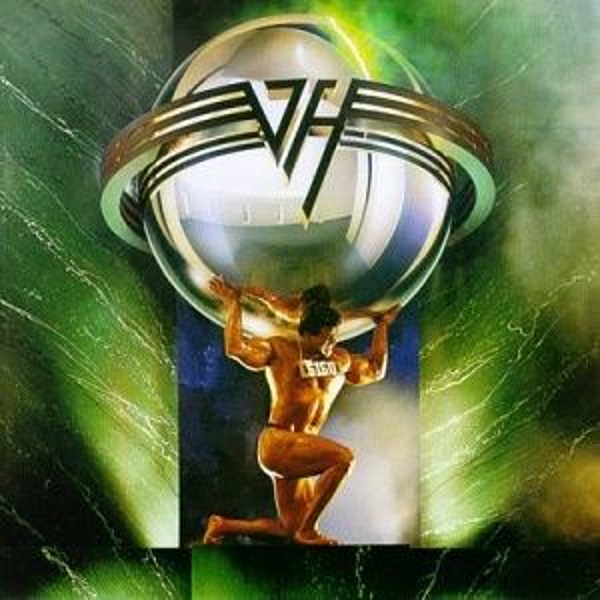
3. 5150 (1986)

And now, I have to pick on Van Hagar haters one more time, because this album is seriously fantastic. Yes it was a bold move for Van Halen, and yes it gave into the pop rock trends of the time. But I think people tend to forget that giving into mainstream sensibilities doesn’t automatically make something bad (plus, they were already moving in this direction on 1984, so y’all gotta stop blaming Sammy Hagar for it). In fact, this is one of the most consistent, well produced, and top-to-bottom enjoyable albums in Van Halen’s discography. Sure, hits such as “Why Can’t This Be Love” and “Love Walks In” pissed a lot of fans off, with their mid-tempo synth-driven approach, but again, these songs are great examples of how hopping on trends doesn’t negate the quality of the writing and performance. Honestly, I even love “Dreams,” in all its stupid, cheesy glory. But it would be a disservice to this album to chalk it up entirely to those songs. Conversely, we get tracks such as “Good Enough,” “Inside,” and of course, “Best of Both Worlds,” which proved that the same old Van Halen that everybody loved hadn’t gone anywhere.

2. 1984 (1984)

The final album of the original Roth era of Van Halen, 1984 functions as something of a bridge between old school Van Halen, and the Van Hagar sound. We get tracks such as “Hot for Teacher” and “House of Pain” that sound like they could’ve just as easily been from the band’s debut, as well as an all-out synthpop anthem in the form of “Jump.” And in between? Classics, such as “Panama,” “Drop Dead Legs,” and “I’ll Wait,” which boast the unmistakable powerhouse instrumental stylings of Van Halen, mixed with a more tuned in sense of melody than had ever been heard from the band. Throw in an epic, spacey sounding instrumental intro track, and you have what is perhaps the most complete album in Van Halen’s discography. Lined top-to-bottom with a diverse array of some of the band’s biggest hits, 1984 is a great sampling of everything people love about this incredible band. In fact, it’s no wonder so many people consider this the best Van Halen album. What could possibly top this level of near-perfection? Well dear reader, the only thing that could top this is an album that changed the course of rock and roll forever.

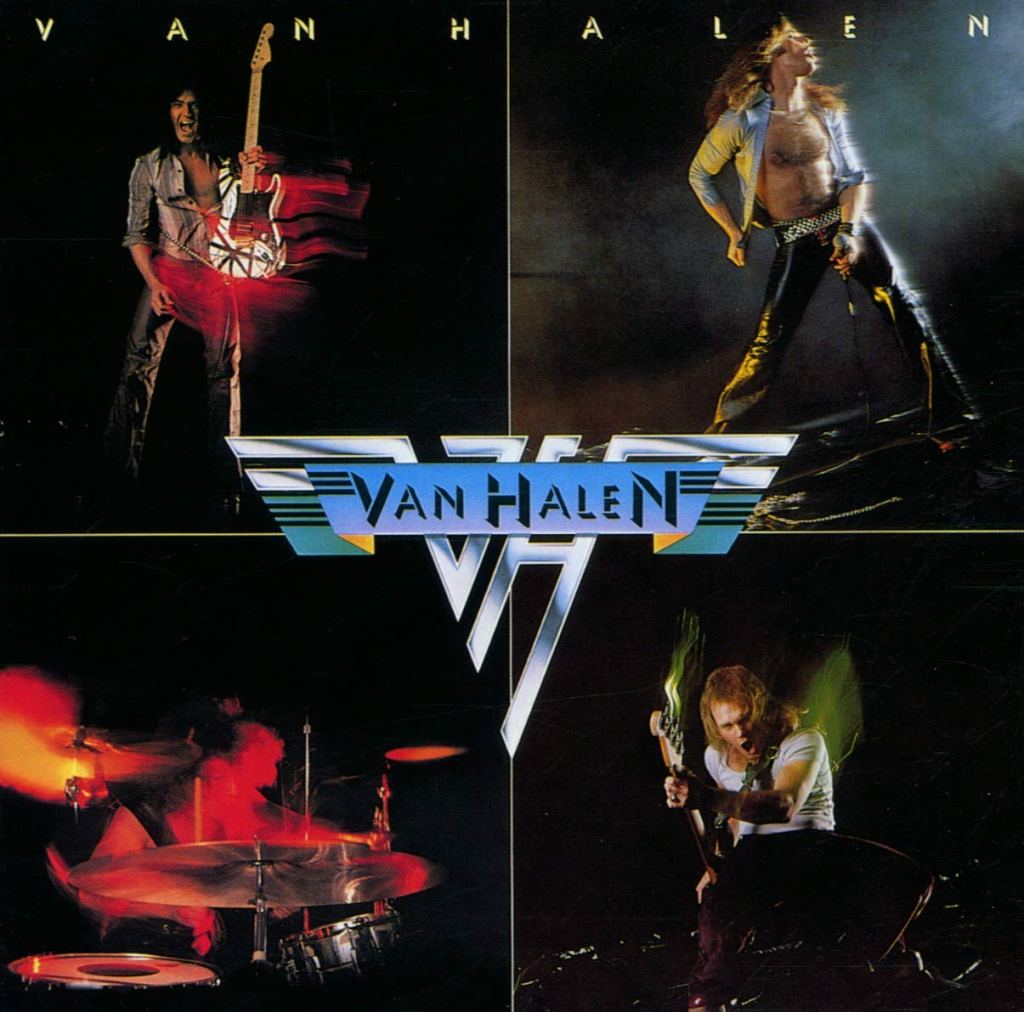
1.Van Halen (1978)

There have been many great albums in music history. A pretty good handful of near-perfect albums, even. But completely game-changing? There are only a handful of those. And I’d undoubtedly count Van Halen among them. With their debut album, Van Halen came out swinging, with the explosive, energetic rock and roll spirit of bands like Zeppelin and The Stones, but with a ramped up, chaotic approach to composition and orchestration, that would set a new standard for how rock and metal bands would perform for years to come, in the studio and on stage alike. Immortal classics such as “Runnin’ with the Devil,” “Jamie’s Cryin’,” and the “You Really Got Me” cover are hard rock essentials to this day. “Ice Cream Man” established David Lee Roth as one of rock’s all time great frontmen, and set a standard that lead singers still try to live up to to this day. And “Eruption”…what can I even begin to say about “Eruption.” In less than two minutes, Eddie Van Halen melted faces and blew minds across the world, inspired countless kids to pick up a guitar, and set the tone for what rock and metal lead guitar would mean for the rest of time. As a lover of rock music, I can’t think of a record that better encapsulates the spirit and energy of rock and roll better than this one. So one day, when you decide to introduce your kids, or even your grandkids, to the world of rock and roll, drop a copy of Van Halen on the turntable, and watch their jaws drop, and their faces light up, as something clicks, and they start to understand why this music is so deeply engrained into the hearts and souls of so many. That is what Eddie Van Halen did for music. Rest in peace, and thank you for everything.

Eddie Van Halen
1955-2020

MINI-REVIEWS: October 2020

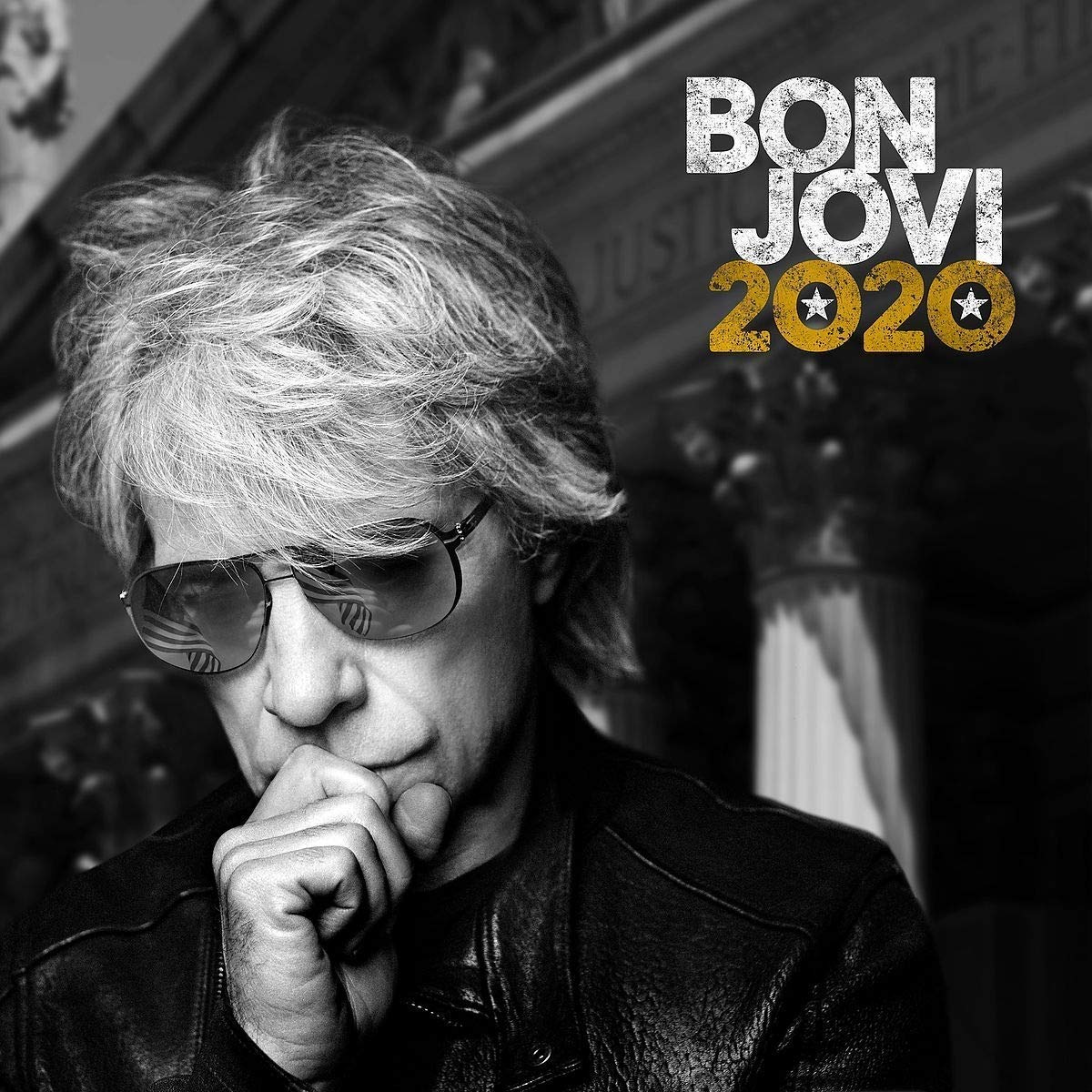
Bon Jovi – 2020

Seeing as Bon Jovi literally hasn’t released a good album since before I was born, I can’t say I was too ecstatic about this one. But to my surprise, 2020 is…different. For this one, Bon Jovi have taken their recent trend towards Springsteen-style populist heartland rock as far as it could go, completely shedding their 80s hard rock roots. Overall, this is probably the softest, most ballad-centric album that Bon Jovi have ever released, even with the band’s 90s output already relying so heavily on ballads. And while some of these songs are nothing short of beautiful, others are pretty forgettable, making for large sections of the album that just drag. That’s not to say there aren’t more upbeat moments, but these songs can be even more frustrating, essentially blueballing listeners with lame hooks that don’t live up to what the verses promise. And this is especially disappointing from this particular band. I mean, this is Bon Jovi we’re talking about. As many stones as you can throw at them, they’re certainly a band that have proven time and time again that they know their way around a big, stupid, catchy chorus. And we just don’t get any of that here. Even the band’s 2010s output consisted of cheesy, but anthemic singles such as “Because We Can” and This House is Not for Sale.” And overall, the instrumentalists are pretty much out to lunch here. This is more or less a Jon Bon Jovi solo album, featuring a pretty straightforward musical backdrop from his bandmates. But in spite of all this, the lyrics are where this album really shines. Jon Bon Jovi pulls no punches, expressing his true feelings regarding COVID, immigration, gun violence, police brutality, our government’s treatment of veterans, and a whole slew of other relevant political issues, and he does it in a way that’s as convincing and impassioned as you could ever want, making these some of his most effective songs in years. Ultimately, this leaves me with pretty mixed feelings. Musically, this is far from Bon Jovi’s best work. But lyrically, this is easily some of JBJ’s best writing to come out in my lifetime.

Score: 3/5

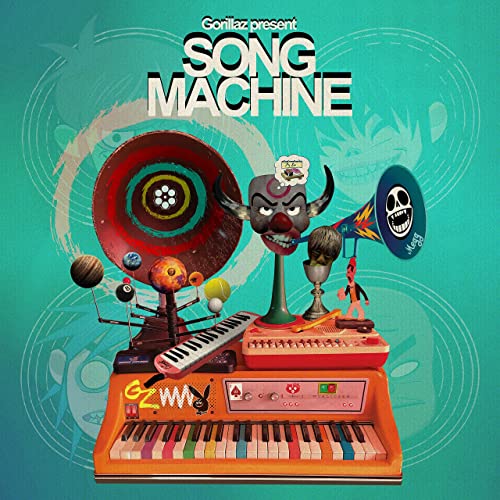
Gorillaz – Song Machine, Season One: Strange Timez

This is a big one. In fact, had I been aware that this was coming out when making my schedule, it would probably have gotten a full-length review. But hey, maybe that was a blessing in disguise, because frankly, I have no desire to discuss this album at length. All this to say, I didn’t enjoy it at all. Gorillaz have more or less made a bland, by-the-numbers, 2020s hip hop album, entirely carried by guest appearances, most of which aren’t even good. A sad state to find one of the flagship bands of 2000s alt rock in. And while the overabundance of guest appearances is a problem I’ve consistently had with this band, even on their better records, there are moments on this record where I forget I’m even listening to Gorillaz. With this one, the band have really taken a backseat, essentially going the way of the 2010s EDM DJ, laying down lazy, generic instrumental tracks that serve as little more than a platform for the guest vocalists. And as I said earlier, most of the features just flat out suck. The first two tracks, featuring Robert Smith and Beck respectively, paint a false picture of what the album will be, being the only two rock songs on the record. The rest of it is dominated by lame hip-hop tracks, featuring the likes of ScHoolboy Q, 6LACK, and Octavian. In fairness, we get a pretty nice Elton John feature as well, but even that, along with the other tolerable moments here, come nowhere near being memorable. It’s hard to say how this album will measure up with Gorillaz fans (since frankly, I’m not much of one), but I won’t be coming back to this one anytime soon, and I can’t think of anybody I would recommend it to.

Score: 1/5

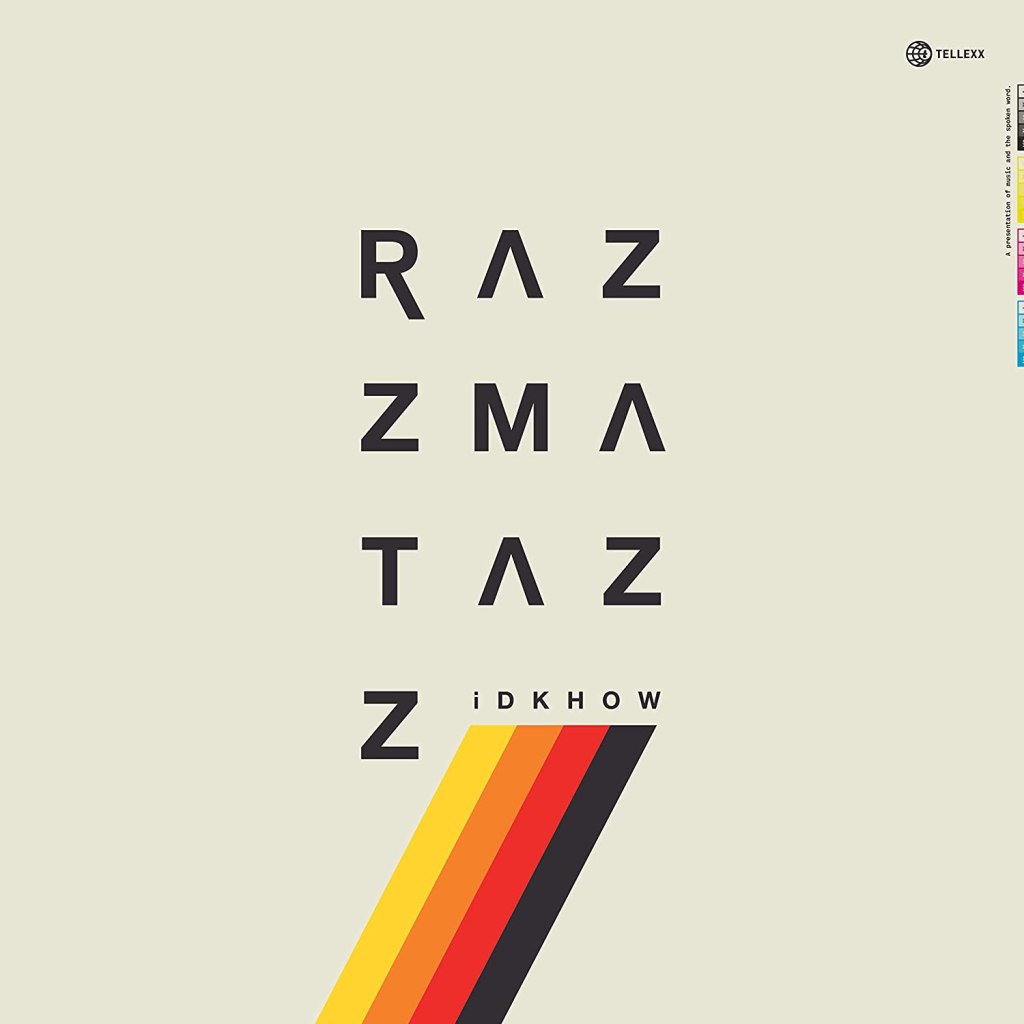
I DON’T KNOW HOW BUT THEY FOUND ME – RAZZMATAZZ

What we have here is the debut studio album by a super-duo, consisting of former Panic! at the Disco bassist Dallon Weekes, and former Falling In Reverse drummer Ryan Seaman. I DON’T KNOW HOW BUT THEY FOUND ME have turned heads in the emo world with a series of singles and EPs, peppered across the past few years, and with good reason. Their flair for fun, upbeat electronic-infused emo pop-rock, is undeniably irresistible (plus, extra points for their name being a Back to the Future reference). And fortunately, this full-length debut lives up to the expectations set by their work up to this point. The layering of electronics, rock instruments, and even big band instruments, ensures that there is never a dull moment across this fun, infectious blend of pop-rock, funk, and jazz. A handful of extremely pretty and well-placed piano moments keep the flow of the album from getting too stagnant, and give the more upbeat, danceable moments room to be missed, and to provide an extremely welcome return. Around the second half of the disc, songs that continue in this style can start to feel a little redundant in the context of the full album, but ultimately stand up on their own, for the most part. With a sonic palette this eccentric and delightful, I DON’T KNOW HOW BUT THEY FOUND ME have successfully pulled off the bombastic, big band pop-rock sound that Brendon Urie’s current iteration of Panic! at the Disco has been trying, and failing miserably, to do for half a decade now. RAZZMATAZZ is leagues better than anything either member of this duo would otherwise be doing with their respective former bands, and I expect big things from them in the future.

Score: 4/5

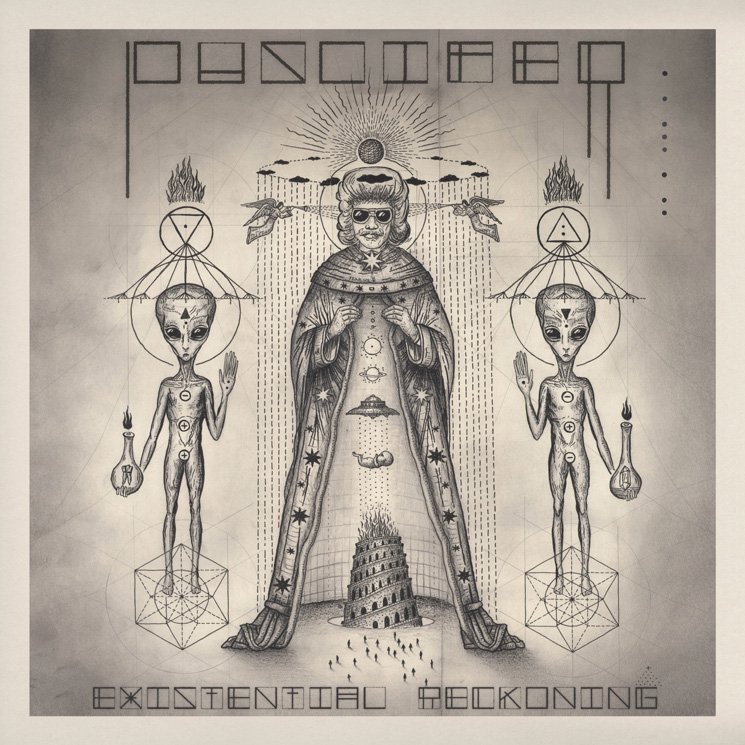
Puscifer – Existential Reckoning

A Perfect Circle album in 2018, a TOOL album in 2019, and this year, a Puscifer album? I think it’s safe to say that Maynard James Keenan’s creative juices have really been flowing in recent years. Though I must say, I didn’t really know what to expect going into this album. While TOOL and A Perfect Circle have pretty distinct sounds, Puscifer, which is more or less an alias for Keenan’s solo work, represents a whole wealth of his most unique and diverse ideas. So thus far, Puscifer’s albums have all been pretty different from each other. And if I’m being honest, they’ve been pretty hit-or-miss for me. So what do we get with this new one? Well, we get the same electronic textures that have always been at the center of Puscifer, but paired with the brooding instrumentals, haunting melodies, surreal and existential lyrics, and odd time signatures that are commonly associated with TOOL, leaving me to wonder if perhaps these songs are TOOL outtakes. And while this album admittedly isn’t as good as any of TOOL’s albums, keep in mind that Puscifer is Keenan’s second side project. We’re never going to hear the man’s best ideas come out under this name, and hey, I’m alright with that. But the more time I spend with this album, the more I like it. It’s beautifully produced, and spaciously panned, giving every element room to breathe, and putting the infectious and mesmerizing bass lines front and center where they belong. Keenan’s vocal performances are as great as you might expect, and are complimented beautifully by the vocals of Carina Round, who really adds something special here. This is perhaps Puscifer’s most consistent album to date, and is likely my favorite from them thus far.

Score: 4/5

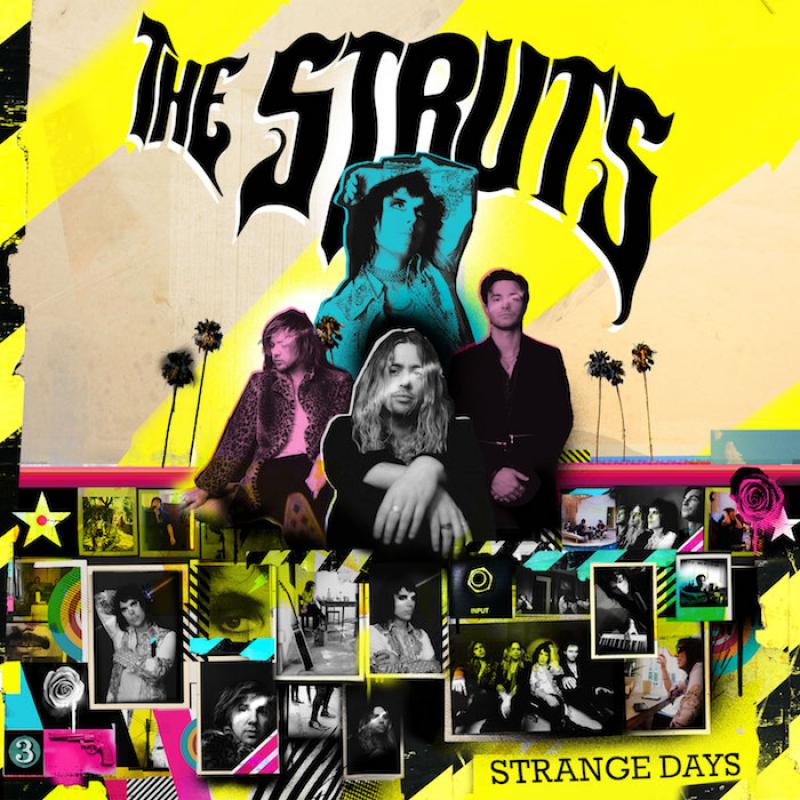
The Struts – Strange Days Review

Hello one and all, and welcome to yet another album review. Today we’ll be looking at Strange Days (not to be confused with the Doors album of the same name), the latest release from glam rock revivalists, The Struts. The Struts are more or less a throwback act, in the same vein as Greta Van Fleet, but drawing influences from a handful of classic rock acts, most notably Queen and The Rolling Stones. And while this doesn’t always make for the most original music, I must say that they’re one of my favorite live acts to come out of the last decade, so never pass on a chance to see them. But what do we get with Strange Days, and how does it compare to the band’s first two records?

Well, the most notable trait of this album, upon first look at the tracklist is the abundance of guest appearances. And I must say, these inclusions make for a more layered and flavorful listen than we might have otherwise gotten, and several of these songs are pretty fun. Perhaps the best of these guest features is Tom Morello’s guitar work on “Wild Child,” a hard rock rager, featuring Luke Spiller’s signature vocal style and melody writing, set to an instrumental taken straight out of Rage Against The Machine’s playbook. “Another Hit Of Showmanship” is an upbeat garage rock romp, featuring guitar work from Albert Hammond Jr. of The Strokes. “I Hate How Much I Want You” is a catchy, sugary blast of glam rock ecstasy that could be straight off of Everybody Wants, and features Joe Elliott and Phil Collen of Def Leppard. Collen and Struts guitarist Adam Slack share a blazing dueling guitar solo, while Elliott’s voice feels very underused, acting as a backing vocal to Spiller more often than not. Not to mention the cringy opening phone call bit between Spiller and Elliott, which reeks of 80s music video cheese. All that aside, this is still probably my favorite song on the album. And of course, there’s “Strange Days,” the title track and lead single, featuring Robbie Williams. As a ballad, this song makes little sense as an album opener, though it’s more than serviceable as a standalone track. And while I don’t feel that Williams’ contribution really adds anything to the track, he don’t take anything away either. He’s honestly just kind of there. Overall, the guest appearances on this record are a major positive. Unfortunately, this is about as good as it gets.

Now don’t get me wrong, there are other good moments here. “Burn It Down” is a gorgeous, moody ballad, resembling something from the Let It Be era of The Beatles. We also get a solid enough cover of “Do You Love Me” by KISS. And while The Struts are known to occasionally throw in covers as part of their live shows, they’ve never really shown up on the band’s records. But hey, the more time I spent with this particular track, the more I realize what a perfect song this is for The Struts to cover. You’ve got the high-octane, stadium-ready 70’s rock vibe, combined with lyrics that are more or less about a rock star telling a love interest how great he is. Needless to say, if I was unfamiliar with the original song, I would have no trouble believing The Struts wrote this. And that leaves us with the painfully forgettable “All Dressed Up (With Nowhere To Go)” and “Can’t Sleep,” and the initially enjoyable, but tediously long “Cool” and “Am I Talking To The Champagne (Or Talking To You),” the latter drawing influence from The Rolling Stones’ disco era. Yikes. So for those of you keeping track, that’s four songs out of 10 that are entirely skippable. Not good.

Musically and stylistically, this album bears much more resemblance to their first album than their second. And while I prefer the pure, unadulterated rock and roll sound of an Everybody Wants to the more polished, pop-centric tonal profile of YOUNG&DANGEROUS, I do feel that YOUNG&DANGEROUS has a much more complete and cohesive feeling than the more scattered, uneven Everybody Wants. And that satisfying cohesion is also more or less lost with Strange Days. But perhaps the greatest crime this album commits is the lack of boisterous dynamism that this band’s music has possessed up to this point. If you are a fan of the band’s epic, anthemic, stadium-ready smashes, such as “Could Have Been Me,” “Roll Up,” “One Night Only,” “Fire,” and “Ashes,” you will probably find a lot of this album to be a bit of a bore, as not even the most upbeat tracks come anywhere close to that caliber.

Lyrically, there’s not really much I can say about this album that hasn’t already said about the bulk of this band’s work. “Strange Days” is the major exception, serving as an optimistic outlook on the pandemic situation. As the lead single, this song misdirected me to believe that perhaps this would be a “quarantine album,” as many other artists have done. But apart from this song, we largely hear more of the same wanky, glam rock bravado that we’ve always gotten, and which can make this band’s writing so frustrating. I don’t know whether Spiller is just playing the role of the larger-than-life rock and roll frontman, or he’s really just that full of himself, but either way, there are only so many different ways you can write about how cool, stylish, talented, and good in the sack you are (and I’m saying this as a fan).

As someone who genuinely enjoys The Struts, I truly wanted to like this album more than I do. Unfortunately, it really feels like an uneven slump that is largely carried by guest appearances. And hey, these guest appearances are largely really good. Honestly, with a few more guests, they could have made a pretty solid collaborations album out of this project, or at least released the four collabs as an EP, and cut out the rest of the filler. I won’t say this album is bad. Far from it, in fact. Just underwhelming. And when you have a band that absolutely bursts at the seems with dynamism and personality at their best moments, underwhelming is far from acceptable.

Score: 5/10

Favorite Song(s): I Hate How Much I Want You, Wild Child, Burn It Down

Least Favorite Song(s): Cool, Am I Talking To The Champagne (Or Talking To You), Can’t Sleep

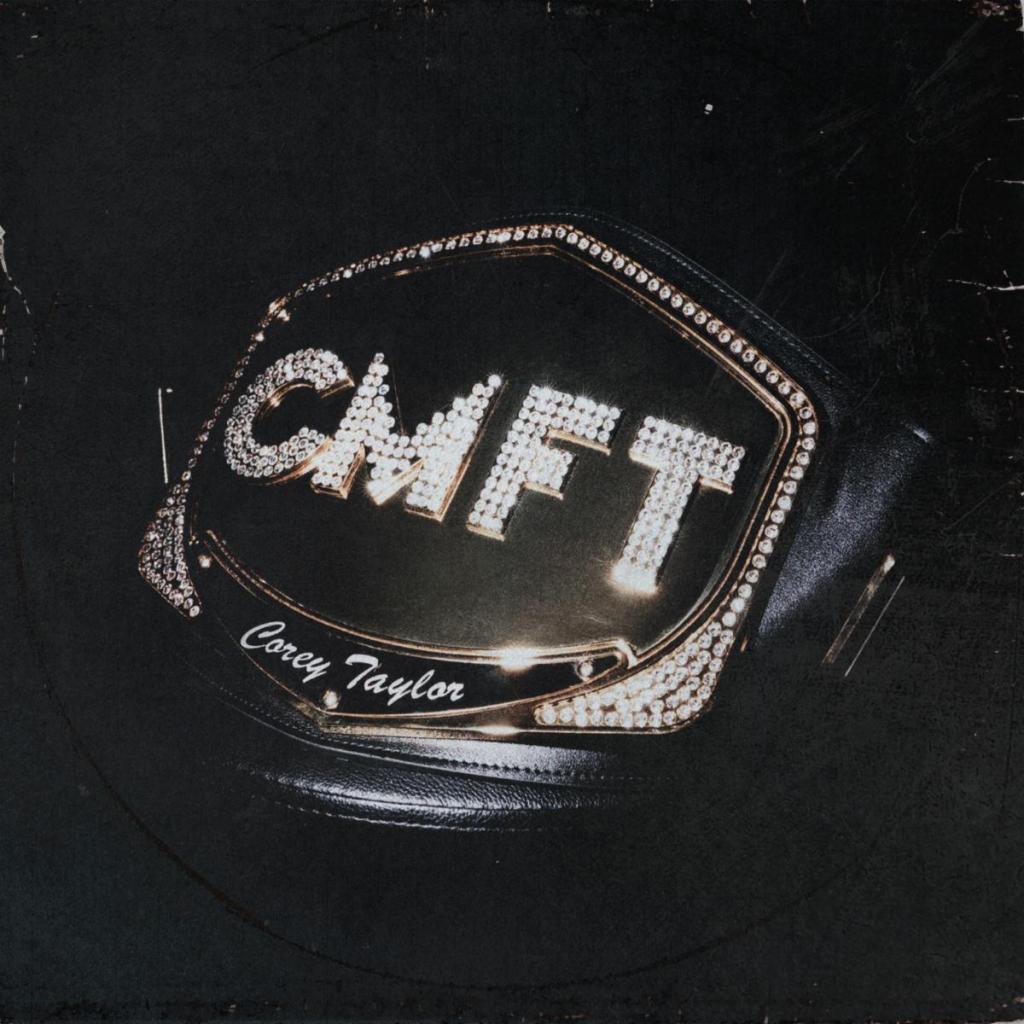
Corey Taylor – CMFT Review

Greetings, good people of planet Earth, and welcome to another album review. Today, we’ll be looking at the debut solo album from heavy metal legend, Corey Taylor. Perhaps equally known for his work in Slipknot, Stone Sour, and his endless laundry list of strong opinions expressed in viral interviews, the rock world has seen many sides of Corey Taylor. Given the notable amount of artistic versatility that Taylor has already boasted, spanning over two decades now, it came as a surprise to many when he announced a new solo project, featuring songs that he didn’t feel would fit Slipknot or Stone Sour. And now, CMFT (I don’t think I need to tell you what this stands for) is here. So what do we get from Corey Taylor’s solo debut? Is this music different enough from the work of Taylor’s other bands to justify being its own entity?

                  It absolutely is. I can honestly say that if Taylor dared to release this as a Slipknot or Stone Sour album, his fans would’ve lost their minds. CMFT is more or less an homage to Taylor’s musical roots, dabbling in hard rock, blues, country, punk, and even hip hop. And I’ll just say right off the bat that it’s all pretty derivative. If you were expecting an intriguing, promising beginning to a Corey Taylor solo discography as musically rich and unmistakable as Slipknot and Stone Sour, you may be disappointed. This album comes off as much more of a one-off, just for fun dream project for Taylor. But as such, it actually works pretty well.

                  Nearly the entire first half of the album consists of 70s-style southern hard rock, somewhere between Lynyrd Skynyrd and AC/DC. And while songs such as “HWY 666,” “Samantha’s Gone,” and “Halfway Down” are fine, there’s not too much more I can say about them. If you’ve spent any amount of time listening to this kind of music, you can pretty much predict every melody, every dynamic shift, every blisteringly bluesy guitar solo, and every verse-chorus-verse-chorus-bridge-solo-chorus-chorus roadmap. The songs are well-written, and actually pretty fun in the moment, but don’t leave much of a lasting impression.

                  Around the halfway mark, things start getting more interesting. Not that much more original, mind you, but this is where we hear Taylor dip his toe into a larger variety of styles and influences. Sticking with the southern theme, “Kansas” utilizes a 90s alternative melody, in the style of Blues Traveler or Sister Hazel, but packed with a Foo Fighters instrumental punch, and I promise it’s nowhere near as lame as I just made it sound. Overall, the song really works, and makes for quite a pleasant midpoint to the record. Next, we move into “Culture Head,” a pretty heavy tune, and perhaps the closest Taylor sounds to Slipknot or Stone Sour on the album. Not that it’s anywhere near as good as the best material from those bands, but the riffs and drumming are solid, and it’s good for a nice headbang. “Everybody Dies on My Birthday” matches the intensity of “Culture Head,” but moves in a more punk direction, continuing in this direction of unexpected expansion of the sonic palate of the record. “The Maria Fire” might have gotten lost in the sauce had it been placed on the first half of the record, but at track 10, it’s a nice stand out, a swanky Mississippi-style blues tune, with a soft and ghostly, to big and loud verse-chorus dynamic. “Home” is a one of the biggest stylistic standouts, a stripped-bare piano ballad, featuring a raw and vulnerable vocal performance from Taylor. But “CMFT Must Be Stopped” is perhaps the biggest black sheep on the album, a rap song featuring Tech N9ne and Kid Bookie. I must admit, seeing this on the tracklist made me a little nervous. But believe me when I say this might be the best song on the entire album. A throwback to the early rap-metal collabs of the 80s, this song throws down a pounding riff, an irresistible hook, and some pretty sweet bars from both of the guest rappers, as well as Taylor himself. No joke people, this song is an absolute romp. The album closes with a brief, two-minute hardcore punk blast, entitled “European Tour Bus Bathroom Song,” which is fine, but adds very little to the experience overall.

                  The most lyrically interesting songs on the album largely coincide with the most musically interesting songs, with the first half largely consisting of outlaw tales about traveling down the road, meeting the devil at the crossroads, and the like. The one shining exception here is “Black Eyes Blue,” a fun and endearing song to Taylor’s wife, with a nice, earwormy chorus. Taylor sings about his wife once again in “Home,” where the aforementioned beautiful piano accompaniment and powerful vocal performance really drive home the heartfelt and impassioned lyrics, and again in “Kansas,” where he sings of yearning to be home with her, when he’s on tour. Taylor takes a more backhanded outlook on love in “The Maria Fire,” a song about a past relationship. “Culture Head” sees Taylor taking stabs at everything he sees as wrong with society, from organized religion to WOKE culture, just in case you ever found yourself wondering, “what does Corey Taylor think about this?” (sorry, couldn’t help myself). Perhaps the biggest throwaway, both musically and lyrically, “European Tour Bus Bathroom Song” consists entirely of Taylor and his backing band screaming a series of letters, spelling “Please do not put paper in the toilet, please use the bin provided,” set to loud, fast, noisy hardcore punk instrumentals. I guess it’s kind of funny, but it’s not the most gratifying way to end an album.

                  As I said early on in this review, this album comes nowhere near the musical greatness that Corey Taylor has achieved with Slipknot and Stone Sour, and is really more of a dream project where Taylor takes an opportunity to wear his influences on his sleeve. The trick to enjoying CMFT is to take it in as exactly that. If you’re not a Corey Taylor fan, this album will probably do absolutely nothing for you, and even if you are, you likely won’t come back to it after the novelty wears off. But that’s not to say Taylor doesn’t pull off this variety of sounds and styles exceptionally well, and if anything, it sees Taylor displaying his versatility in ways that are new for him. Be honest, would you have ever expected songs like this to come from the man who provided vocals for an album as brutal and nasty as Slipknot’s Iowa? CMFT is little more than a glorified tribute album, but hey, at this point in his career, Corey Taylor has more than earned the right to have some fun. And if you check whatever expectations you may have had for this album at the door, you’ll have some fun with it too.

Score: 6/10

Favorite Song(s): CMFT Must Be Stopped, Home, Culture Head

Least Favorite Song(s): European Tour Bus Bathroom Song, HWY 666, Halfway Down

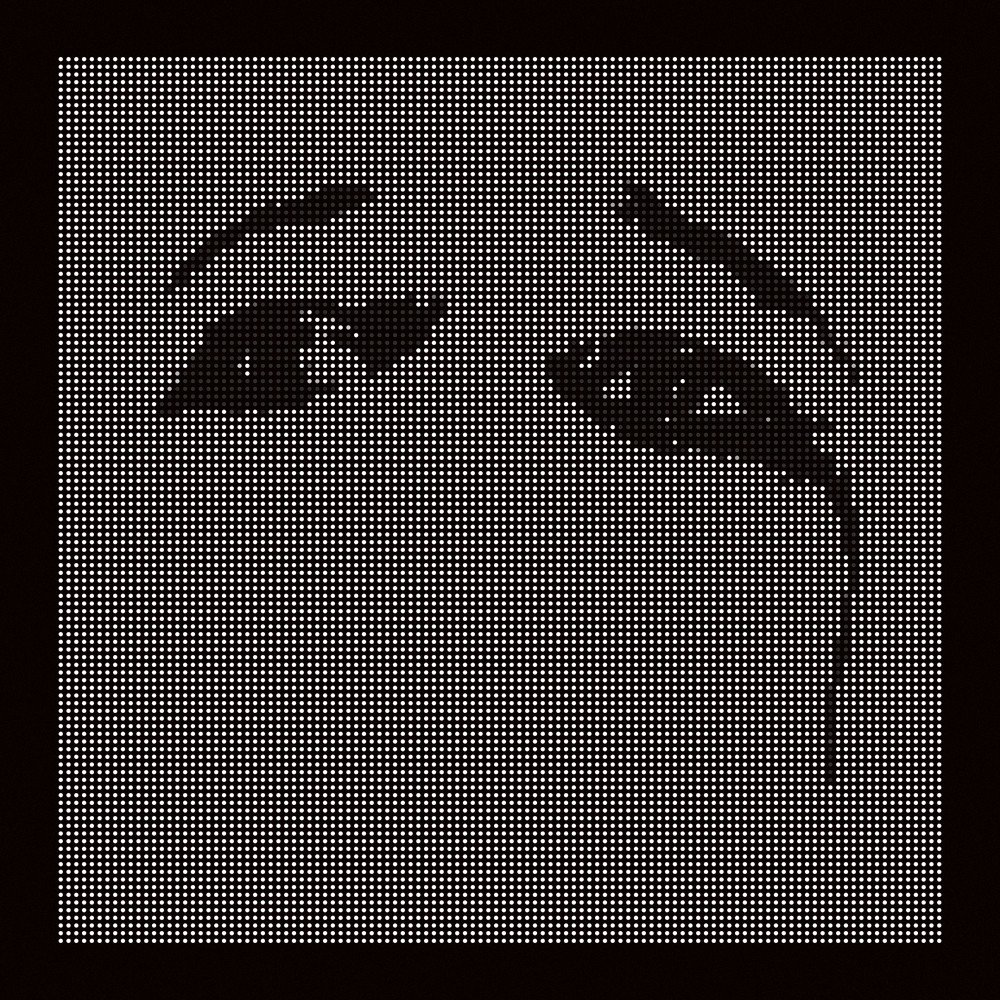
Deftones – Ohms Review

Ladies and gentlemen, today we’ve got a big one. Ohms, the ninth studio album from Deftones, is here. Since the mid 90s, these alt metal pioneers have been making some of the most experimental, unconventional, and dynamically intriguing music that the genre has to offer. They cemented their standing in the world of heavy music with classic albums such as Around the Fur and White Pony, and have consistently pleased their fans with music in this vein for a quarter century. Keeping all this in mind, listeners tend to have some pretty specific preconceived expectations when giving a new Deftones project a spin for the first time. So does Ohms deliver what we’ve come to expect?

                  Overall, yes. I think it’s safe to say Deftones check all the boxes with this one. Slow, yet punishingly heavy grooves, a mix of melodic vocals and screams from Chino Moreno, moody atmospheres, and exceptionally solid instrumental performances from all members. That being said, this is anything but a rehashing of the band’s classic works. As many heavy bands will do, Deftones have gradually embraced melody more and more over the course of their discography, and naturally, that trend is continued with Ohms. If you are a fan who craves the sound of Moreno screaming his lungs out into oblivion, don’t worry, that is still very present here, but not nearly to the degree that it once was. Moreno’s more guttural vocals appear largely in short bursts, peppering songs that feature predominately clean, melodic vocals, with few exceptions.

The songs on Ohms are largely slow to mid-tempo, which can make the flow of the album feel a little sludgy in places. I know slow, pounding songs are a big part of this band’s DNA, but the more conservative use of heavy moments only amplifies how slow some of these songs really are. The song “Urantia” fakes listeners out with an almost thrash-like opening instrumental, before falling right back into the mid-tempo flow of the album in a whiplash-inducing way. Many of these songs utilize the slow tempo effectively with lush guitar and synth work, with tracks such as “The Spell of Mathematics” and “Pompeji” ending in soft, yet haunting instrumental passages that actually serve as very strong highlights on the album. “The Spell of Mathematics” is one of the album’s highlights all around. It’s heavy, it’s up-tempo (for this album, anyway), and it juxtaposes clean vocals against screaming, as well as soft musical passages against heavy, in a way that is classic Deftones through and through. This is one of the few songs on this album that could believably have been on White Pony. “The Link is Dead” is perhaps the heaviest song on the album overall, providing some excellent riffage, but also providing one of my least favorite vocal performances on the album. The screams enter corny territory and remind of some of the more regrettable corners of 90s and 00s alt metal. Songs such as “Pompeji,” “Headless,” and “Ohms,” are intriguing standouts on the album, featuring instrumental moments that dabble in major keys and happy-sounding melodies, only to fake the listener out once again, and dive into the band’s signature dark and heavy melodic sense. And while “Pompeji” and “Headless” actually pull it off, “Ohms” comes off as extremely awkward. The major-key guitar riff is almost pop punk sounding, and the tonal shift kills any momentum that this track might otherwise have.

As hard a time as I had settling into the tone of this album, I must say that I have no complaints when it comes to the musical performances here. The band members are firing on all cylinders from top to bottom (but come on, this is Deftones. That’s pretty much a given). Moreno and Stephen Carpenter provide absolutely crushing guitar work that backs off and lays on the gas at all the right times. Sergio Vega’s bass work is a consistent highlight, providing groovy countermelodies that add textured layers to the mix, and a thick, pounding tone that your ears won’t be able to get enough of. Abe Cunningham’s drums play a key role in setting the slow, brooding tone, juxtaposing slow, straightforward rock drumming against the decidedly metal guitar work (though he’s no stranger to a tasteful fill every now and again). The drums work in lockstep with the guitars to control the dynamics of the songs and keep the transitions air-tight. Frank Delgado’s keyboard work shines in the softer, more restrained passages adding a lush, shimmering melodic layer.

Lyrically, this album gives a dark, apocalyptic outlook on the times we find ourselves in. Tracks such as “Ceremony” and “Pompeji” warn that the end times are coming. “Genesis” expresses sociopolitical unrest and distrust for media. “This Link is Dead” is once again a negative stand out, as the self-loathing emo lyrics are every bit as cheesy as the screams. The entire back half of the album seems to revel in hopelessness, as hope finally runs out in the final track, “Ohms.” No doubt this is a particularly poignant album at the present time, but it sure doesn’t seem to offer much hope. But perhaps a dose of reality is exactly what Moreno and company thought we needed.

At the end of the day, this is a solidly written and performed album that is sure to please Deftones fans far and wide. Even if I have personal taste issues with certain musical choices that were made, I can at least commend Deftones for making an album that has its own personality, while staying true to the band’s sound. I can’t say I see this ever becoming a favorite Deftones album for me, but I’d much rather them continue in this direction than spend a career trying to recreate their golden days, as many bands will do. Chances are, if you’re a Deftones diehard, you’ll enjoy this album more than I did, but that’s not to say I didn’t enjoy most of it. Ohms will probably rank on the lower end of the band’s discography for me, but at this point in their career, I certainly wouldn’t call it a disappointment.

Score: 7/10

Favorite Song(s): The Spell of Mathematics, Genesis, Error, Ceremony

Least Favorite Song(s): The Link is Dead, Ohms

MINI-REVIEWS: September 2020

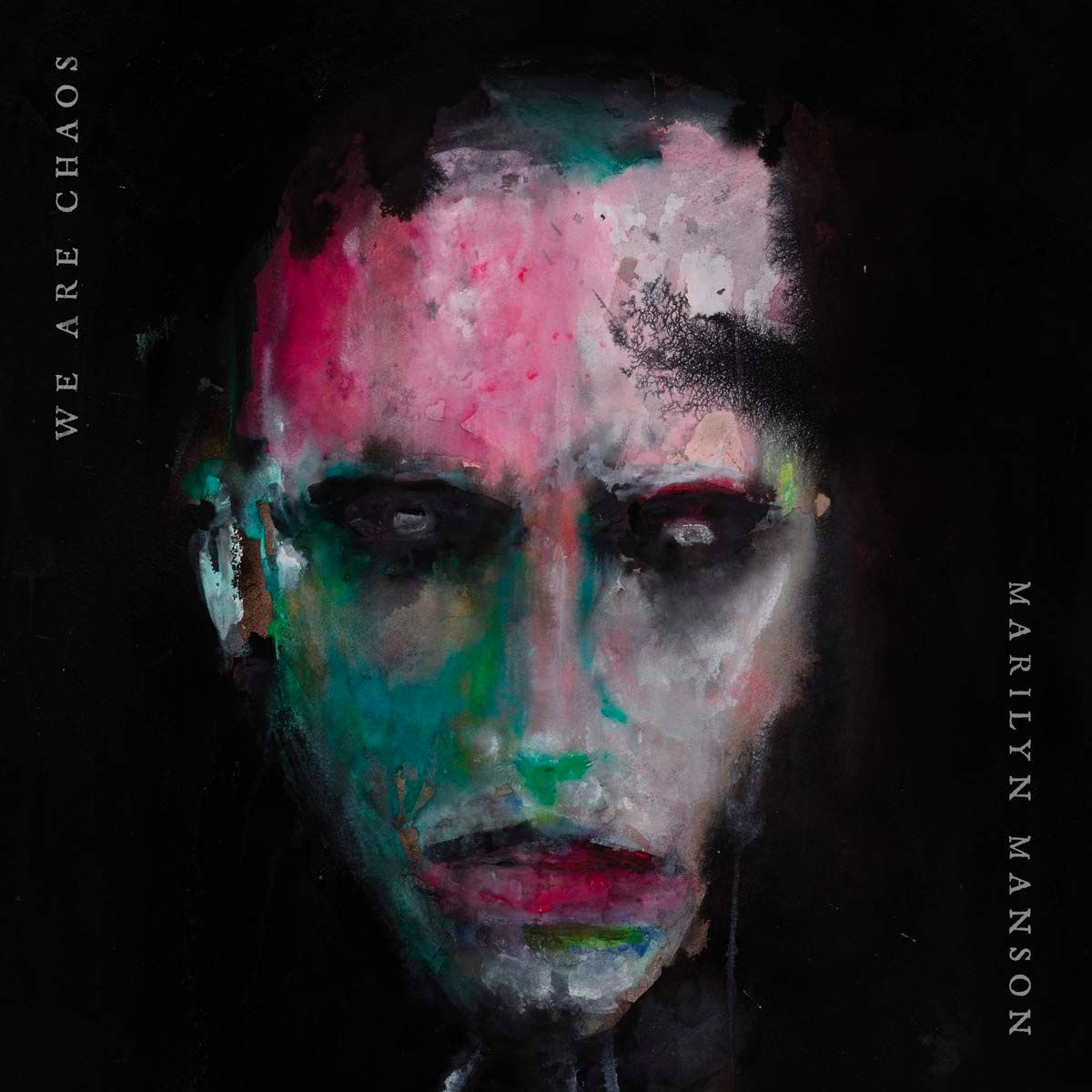
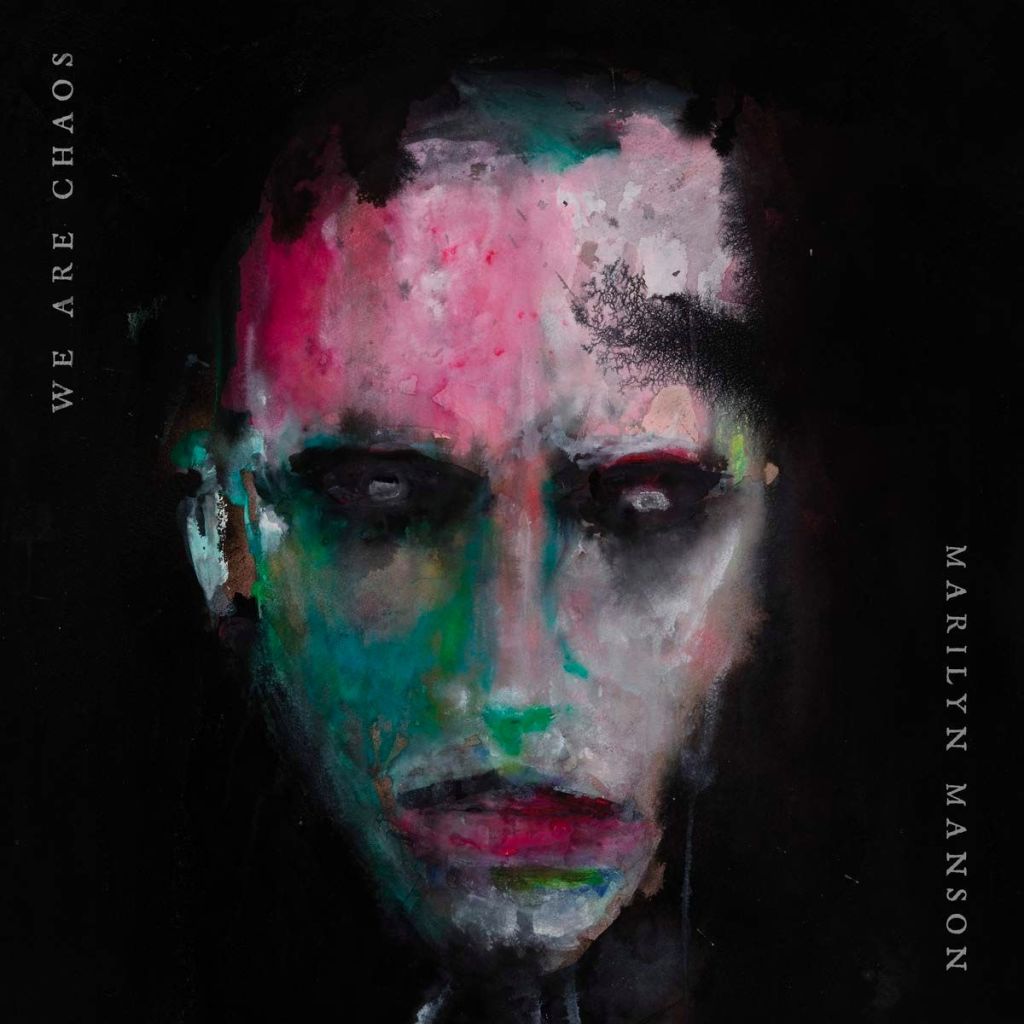
Marilyn Manson – WE ARE CHAOS

This should come as a surprise to absolutely no one, but Marilyn Manson’s new album is pretty weird. But maybe not weird in the way you’re expecting. For his 11th studio album, Manson teamed up with producer Shooter Jennings (son of country music legend, Waylon Jennings). Obviously this creative decision brought a few concerns to my mind. Marilyn Manson wouldn’t make a country album…would he? Thankfully, that’s not what happened. But the first single, “WE ARE CHAOS,” certainly brought even more questions and concerns into the minds of fans. Manson has never been a stranger to electronic elements, and he’s always incorporated them quite tastefully, but this song is largely electronically driven, and sounds much more lush and pop-centric than the dark, abrasive electronics we all remember from a song like “The Beautiful People.” And for better or for worse, the rest of the album more or less follows this formula (again, not what I expected when I learned Marilyn Manson and Shooter Jennings were teaming up). And I really can’t say I care for the production on this album. It’s overly busy, relies too heavily on electronic effects, thin guitars that barely stand out, and overly compressed drums that aren’t even real drums half the time. Manson’s unmistakably creepy signature sound is replaced by sounds that are derivative of genres such as new wave, stadium rock, and at one point, even doo wop (yes really). And the filtration on Manson’s voice is almost intolerable (but we all know Manson can’t sing anymore, so I can’t really hold that against Shooter). Softer moments featuring pianos and acoustic guitars are still a bit out of left field for Manson, but by the time they finally show up, I’m just glad to have a break from the thin, manufactured sound that this album gives off. While I can respect the risks that Manson takes with this album, the sad thing is that the moments I enjoyed the most are the ones that just sound like his old material. And these moments are few and far between. And even these moments only show us a shell of the larger-than-life king of controversy who once gave us Antichrist Superstar.

Score: 2/5

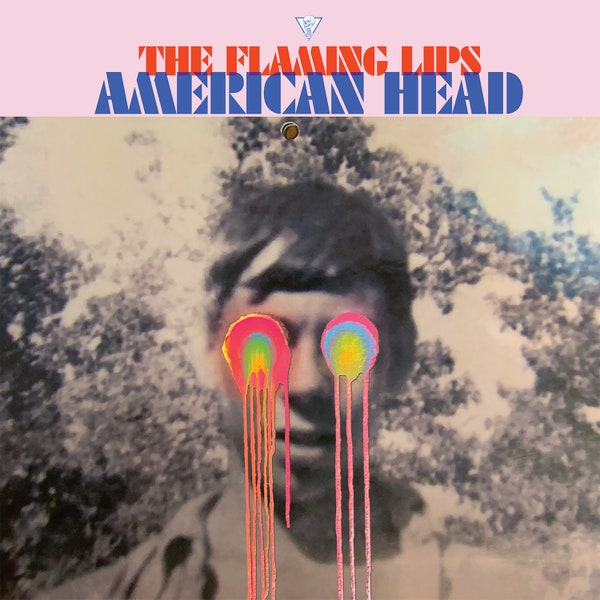
The Flaming Lips – American Head

The latest addition to the massive discography of The Flaming Lips is…very sleepy. The majority of the ensemble takes a backseat on this largely piano and acoustic guitar driven album, putting Wayne Coyne’s songwriting front and center. There are only a couple of problems with this. For one thing, a 50-minute album of wall-to-wall ballads isn’t the best way to keep an audience engaged. And on top of that, this isn’t Coyne’s best songwriting by a long shot. There are definitely some very beautiful and endearing moments within this massive blob of sleepy ballads, but it can take a few listens to pick them out, as again, this album won’t do the best job of holding your attention. And the worst lyrical moments…well, remember when you were a kid and your mom told you that if you kept rolling your eyes, they’d get stuck back in your head? Well I learned today that that was a myth, otherwise my eyes would be permanently stuck in the rolled back position after hearing Coyne’s vapid, irritating musings about spending all his time doing drugs with his friends (dude, you’re almost 60). I guess American Head is simply a case study in what happens when after decades of acclaim and accomplishment, an artist’s head ends up so far inside their own ass, that they’re convinced anything they do is a masterpiece. Not that The Flaming Lips have anything to prove at this point in their career, but given some of the great music they have under their belt, American Head will most likely go down as a throwaway in their catalogue of work.

Score: 2.5/5

Movements – No Good Left to Give

One of post-hardcore’s modern up-and-coming star bands are back with their sophomore release. As someone who heard potential in their 2017 debut, but wasn’t exactly blown away by it, I wasn’t sure what to expect from this release, but I had hope. So what do we get with No Good Left to Give? Well, not much of a deviation from what we heard on the debut album. Intense, brooding emo music with expressive vocal delivery and haunting instrumentation. But I can honestly say that even if Movements didn’t exactly broaden their sonic horizons with this album, they nailed down their sound much tighter this time around. The melodies are consistently air-tight, and groove with the dark, foreboding instrumentals, featuring drums that rise and fall dynamically at all the right times, subdued lead guitar work that nearly always sits in the upper register, leaving the bass plenty of room to dominate the low end, and add just the right amount of punch to the mix. All creating an unsettling and melancholy backdrop to the emotive vocal delivery and dark, personal lyrics. Melodies and vocals that are reminiscent of Linkin Park, juxtaposed against dark yet grooving instrumental passages ensure that these songs have every bit of the impact they could ever need. Movements haven’t updated or expanded on their sound here, making this album a little bit one-note, but they come off very competent within that sound, and more often than not, they pull it off with a tightness and consistency that wasn’t quite there on their debut.

Score: 4/5

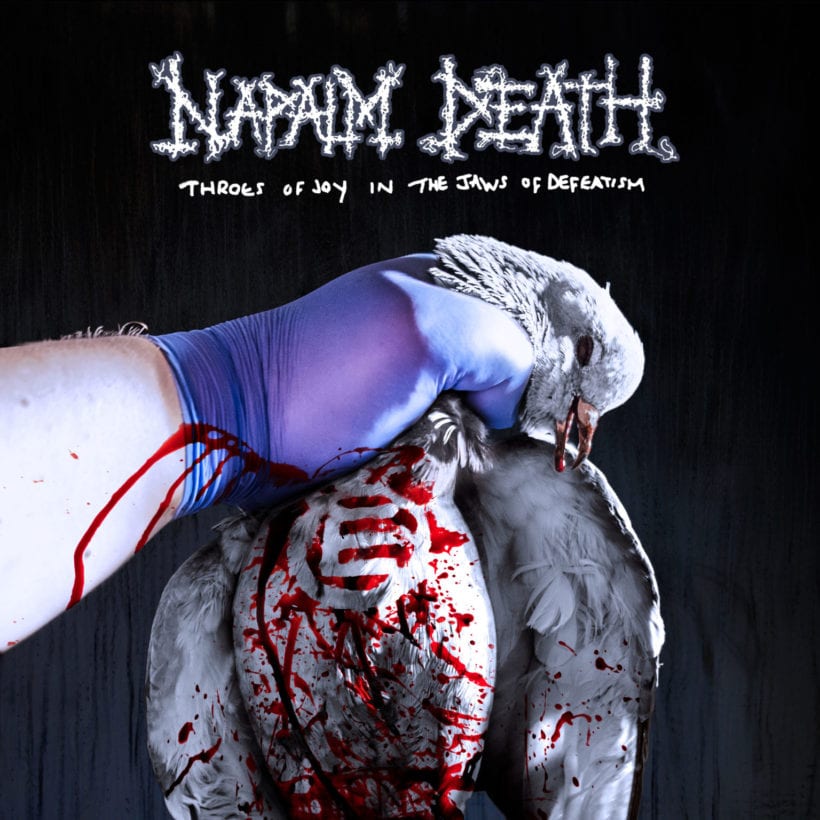
Napalm Death – Throes of Joy in the Jaws of Defeatism

This release marks album 16 from grindcore pioneers Napalm Death. And it sees the band continue in their gradual trend towards embracing longer song runtimes (there are several songs on here that are over four minutes!) and more polished production. They’ve also continued away from the raw, chaotic noise-heavy music that made them famous, and towards music that better showcases their technical ability. That’s not to say that this album isn’t heavy. In fact, it’s absolutely brutal. The compositions are as competent as they are crushing, and the production style ensures that nothing is buried. If you’re a purist who wants the same skull-pounding chaotic energy that made Scum a classic, I’d suggest you just go listen to Scum again. However, if you’ve enjoyed the bulk of Napalm Death’s discography, chances are you’ll dig this one as well. It’s nothing new for the band, and it’s not likely to be remembered as one of their classics, but it’s a solid listen, nonetheless. I’d call it a mid-tier Napalm Death album, overall.

Score: 3.5/5

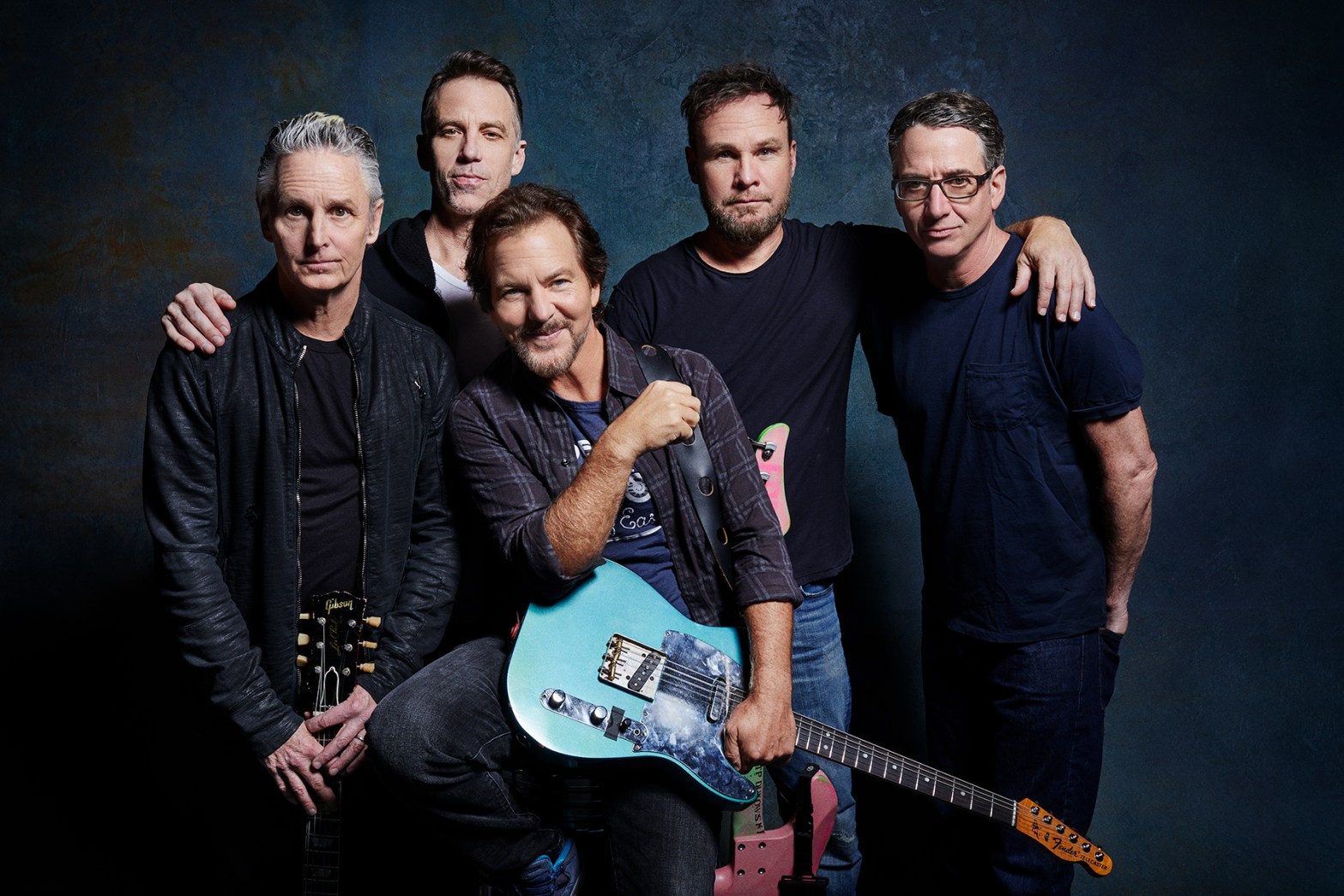
Pearl Jam Starter Pack

Hello, and welcome to another installment of “Starter Packs,” where I take a band or artist with a large or overwhelming body of work, and recommend three albums to start your journey. Today, we’ll be looking at grunge pioneers, Pearl Jam. Let’s face it, the alternative/grunge scene has been plagued with tragedy ever since its conception in the early 1990s, with many of its icons passing from this world too early due to suicide or overdose, leaving us with an unfortunately small amount of music from many of these bands. However, there are exceptions to this rule, the biggest perhaps being Pearl Jam. With a tragedy-free history, and a largely consistent lineup (save for a handful of drummer changes early on in their timeline), Pearl Jam have managed to release music fairly consistently since their debut almost three decades ago, leaving us with a grand total of 11 albums as of 2020. This allowed the band to flex their creative muscles and show their versatility in a way that many of their grunge contemporaries never could. However, it also makes them one of the harder bands from the genre to properly get into. So today, we’ll be looking at the three albums that best represent Pearl Jam’s career as a whole. Keep in mind, as always, that these are not necessarily my three favorite Pearl Jam albums, but simply the ones I feel are the best jumping off points. So let’s get started!

1.Ten (1991)

There’s honestly no better place to start with Pearl Jam than Ten. Not only is the band’s debut their best album, it also played a vital role in launching grunge into the mainstream. And with classic singles such as “Alive,” “Even Flow,” “Jeremy,” and “Oceans,” as well as songs such as “Black” and “Release,” which became fan favorites without being singles, its no wonder this album had the impact it did. As the 80s drew to an end, and hair metal ran its course, the younger generation of rock fans were ready for a return to something rawer and grittier, and Pearl Jam delivered exactly what they were looking for. From the guitar duo of Mike McCready and Stone Gossard taking cues for their crunchy, in-your-face guitar style right from the Led Zeppelin playbook, to Eddie Vedder’s snarling vocals and dark, foreboding lyrics, Pearl Jam delivered something that was the opposite of what mainstream rock had been for the last decade, in the best of ways. While grunge was already gaining traction in the underground scene during the late 80s, the genre took its rightful place as the sound of rock for a generation in 1991 with Pearl Jam’s Ten, Nirvana’s Nevermind, and Soundgarden’s Badmotorfinger (I know we’re talking about Pearl Jam here, but if you haven’t heard these albums, you need to listen to them like, yesterday). If you enjoy Pearl Jam’s grunge debut, you’re sure to love their next two albums, Vs. and Vitalogy as well.

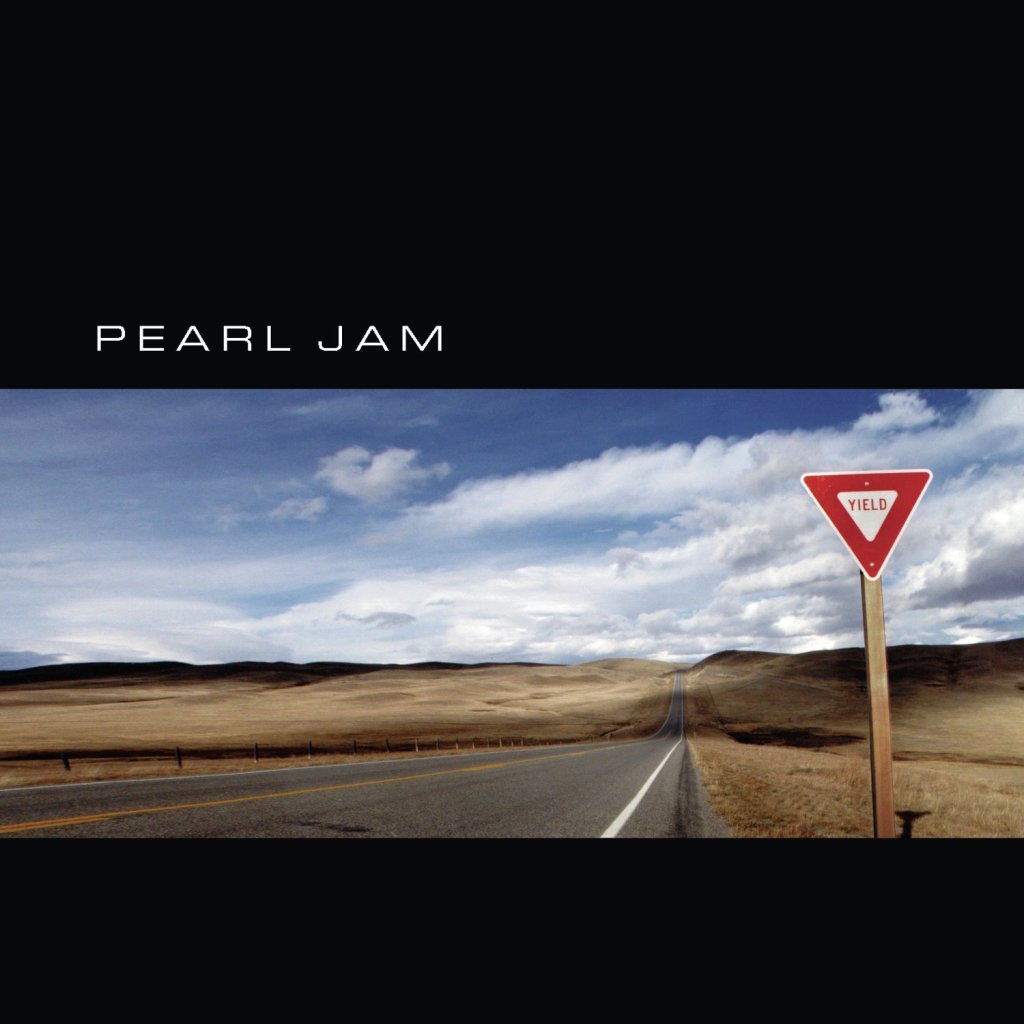
2. Yield (1998)

Now let’s fast-forward to the mid-to-late 90s. In the wake of Kurt Cobain’s death, grunge’s momentum as a genre came to a screeching halt. As post-grunge, pop punk, and nu metal quickly took over as prevailing genres within the rock scene, the bands who dominated the charts just a few short years before, were all but left in the dust. Doing what they needed to do to adapt, Pearl Jam shed their signature grunge sound, but instead of conforming to the direction rock was moving, they began experimenting with their own take on garage rock. This phase of Pearl Jam’s career gave us 1996’s No Code and 1998’s Yield. And while No Code showed Pearl Jam flexing their creative muscles in some new and interesting ways, showing early signs of some of the weirder music they’d release later down the road (more on that shortly), it was Yield that proved Pearl Jam was equipped to outlive the rise and fall of grunge. Singles “Given to Fly” and “Wishlist” are some of the most introspective, and frankly beautiful songs Eddie Vedder has ever written, while chaotic garage rock ragers such as “Brain of J.” and “Do the Evolution” see the band trading in their signature grungy sludge for an equally energetic garage sound, utilizing thick, spanky, medium-gain guitar riffage, pounding basslines, and some of the liveliest drum work in Pearl Jam’s discography, provided by Jack Irons (a name some of you may recognize from early Red Hot Chili Peppers). This raw, simplistic, and somewhat vintage approach to composition leaves plenty of room for Vedder’s writing to shine through, and it pays off. Pearl Jam certainly proved they were capable of evolving and adapting with this album, and it’s no wonder that fans often divide Pearl Jam’s discography into “pre-Yield” and “post-Yield.”

3. Riot Act (2002)

Most fans of Pearl Jam will agree that their 90s material was their best. I certainly wouldn’t say there’s a bad Pearl Jam album out there, but much of their output from the 21st century is more or less a rehashing of their classic sound. And hey, if any band deserves such a victory lap, it’s Pearl Jam, so more power to them, but nevertheless, most of their recent albums don’t demand more than an occasional repeat listen. However, the band’s most interesting output from this century undoubtedly lives on 2000’s Binaural and 2002’s Riot Act. These albums saw the band dive headfirst into their experimental side, trying any idea that came to mind. And while some fans aren’t as crazy about these albums, they do represent a peak creative period in Pearl Jam’s career, and must be represented here. I ultimately selected Riot Act because much of Binaural is bogged down by inconsistent writing and shoddy production, whereas most of the ideas on Riot Act are pulled off pretty effectively, and your enjoyment of the album will depend solely on whether you’re onboard with these ideas or not. Don’t get me wrong, we still get classic Pearl Jam hard rockers, such as “Ghost” and “Get Right,” but the majority of the album consists of zany art rock indulgences, some working better than others. We get some acoustic folk, a medieval waltz, a piano lounge jazz tune, a spoken word poem, a Rage Against the Machine-style funk rock tune, a swampy blues jam, a moody, R.E.M.-inspired song, and many others that are impossible to even describe. We hear more of Vedder’s angsty writing style, now featuring Bush-era political unrest (you can’t have an early-2000s rock album without it, right?). As I said, Riot Act isn’t a favorite for every Pearl Jam fan, but it is a testament to what this band is capable of, and if you’re into it, you’ll surely enjoy diving into the rest of their incredible discography.

Design a site like this with WordPress.com
Get started