MINI-REVIEWS: August 2020

Avatar – Hunter Gatherer
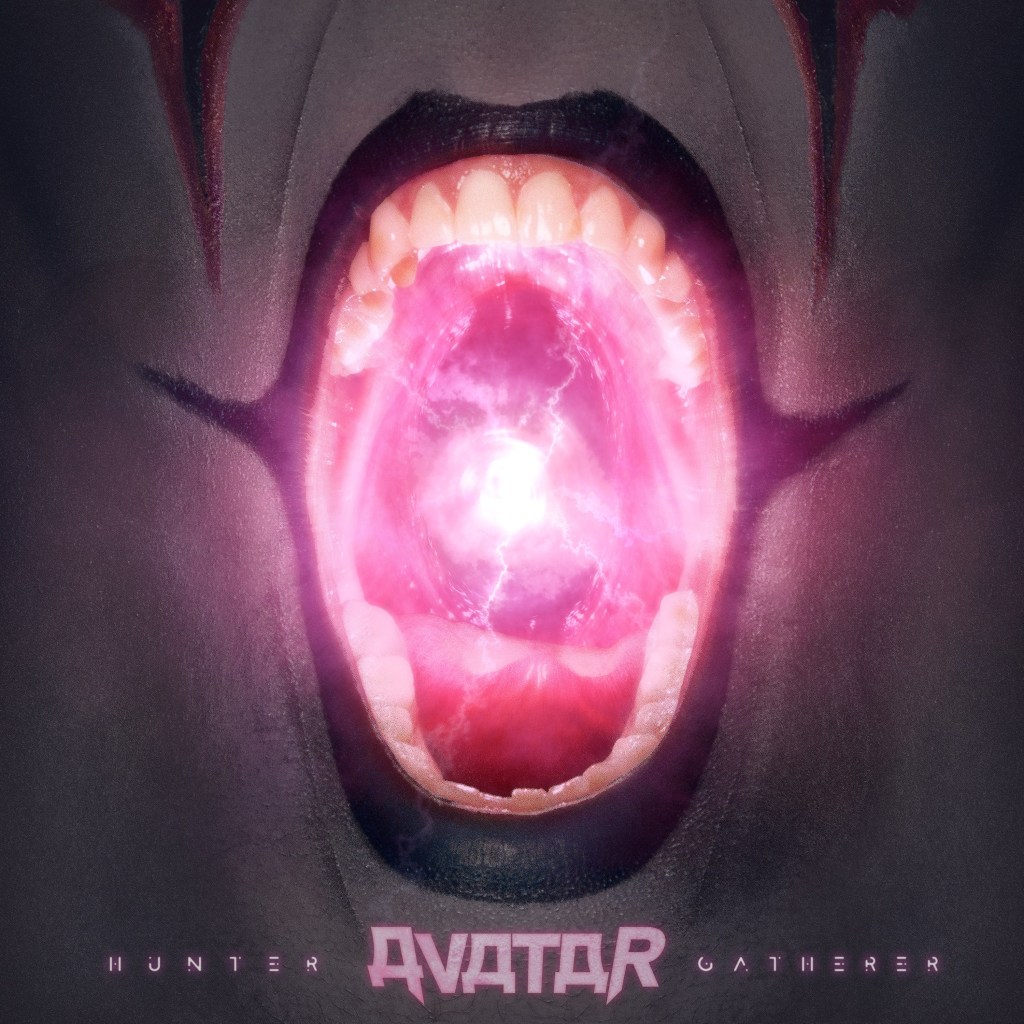
For those who may be unfamiliar, Avatar is a Swedish avant-garde metal band. Their music is extremely weird and zany, so it can definitely be an acquired taste. However, their taste for theatricality translates into an excellent live show, which I can personally vouch for, so if you ever get the chance to see them, that’s the best way to be introduced. That being said, the major problem with this band is that apart from the singles, they don’t always write the greatest or most memorable songs. And that’s really as true as ever on Hunter Gatherer. I really can’t take too many points away from them though. They’re all outstanding players, the instrumentation is highly impressive, and their music certainly has personality. I just always find myself wishing they could write full albums of material as memorable as their singles. “Colossus” is as good a single as one might expect from Avatar, and it’s probably the best song on the album. The only other real standout is “Gun,” which is a piano ballad, something a bit out of the ordinary for Avatar. Overall, this album isn’t a massive step up in any way for Avatar, but I must say that it’s more accessible than their super weird previous release, Avatar Country. So hey, if you’re looking for some solid, competent heavy music with a little bit of unique personality, then sure, I can recommend this. But I must reiterate, if you want to truly understand the hype behind this band, seeing them live is the best way to go.

Score: 3/5

Deep Purple – Whoosh!
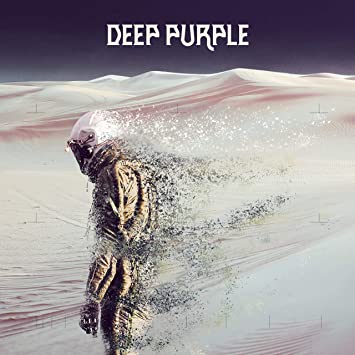
The 20th album from one of hard rock’s first and most sacred institutions. So what do Deep Purple have to offer us in 2020? Well certainly not one of their best albums, but who expected it to be? I must say, I enjoyed this album a lot more than than I expected to. Deep Purple have delivered a jam album, pure and simple. The guitar and keys/organ take the lead role on this album, delivering a whole disc of unadulterated blues rock fun. I’ve always thought Steve Morse’s guitar style was a little shreddy for the band that was once home to Ritchie Blackmore, but he’s a killer player who gets the job done, nonetheless. The spry, bouncy jam band approach to this album is a bit of a stylistic departure from the days of classic Deep Purple. If you go into this album expecting the loud, chaotic, proto-metal energy of an album like Deep Purple in Rock, you won’t find it here. Deep Purple have a highly acclaimed and accomplished career under their belts, and if they want to spend their more elderly years jamming out and just having fun, they sure aren’t hurting anybody. Whoosh! certainly isn’t a must-hear, but if you’re curious, give it a spin. If nothing else, you’ll have a good time with it.

Score: 3.5/5

Biffy Clyro – A Celebration of Endings
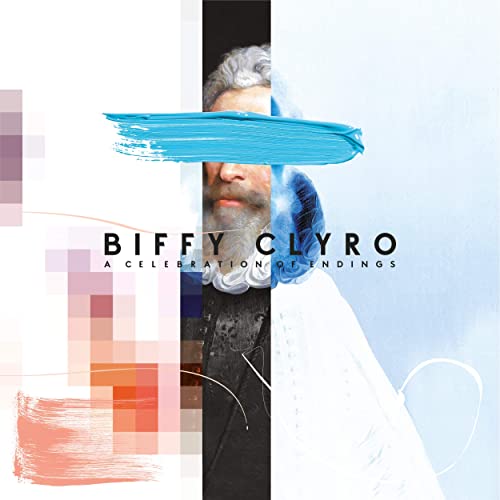
Okay, I admit it. I’m a little late to the hype train when it comes to Biffy Clyro. But after poking around through their discography in preparation for this review, I can honestly say I’m onboard. Seriously, this band’s compositions are nothing short of spectacular. The layers of sonic pieces within the puzzles that make up their songs are so chaotic, yet so tight and well thought out, it’ll make your head spin in the best of ways. This almost indescribable musical style is juxtaposed against their infectiously welcoming melodies in an unexpected way, and they always make it work. And they certainly brought their A-game with A Celebration of Endings. This album boasts the endlessly impressive composition and pristine, world-class production that has always been present in Biffy Clyro. Here, we definitely see the band focus on melody more than on some of their other records, at the expense of some of the zanier musical moments that have highlighted their past works. If you really want to see the full range of what this band is capable of musically, I’d recommend checking out their double album Opposites, from 2013. But if you want an easier, more palatable listen, in an unintimidating 45-minute runtime, A Celebration of Endings will surely do the trick. Another great entry from a band that I had admittedly been sleeping on.

Score: 4/5

The Front Bottoms – In Sickness & in Flames
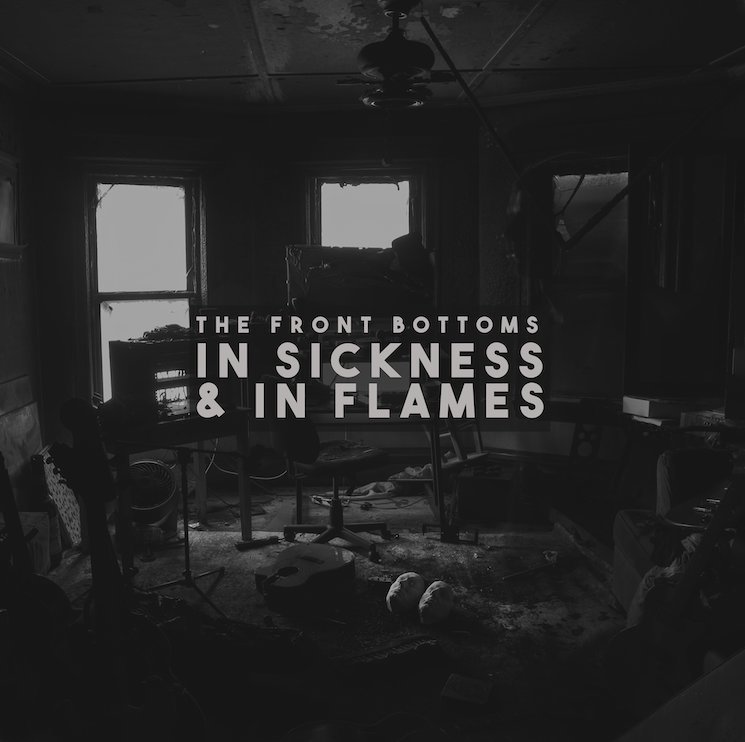
Look, I know this won’t make me any friends, but I’ve never understood the appeal of this band. Admittedly most of my previous familiarity with them has been their early music, and I just never understood what was enjoyable about Brian Sella screeching unfunny stream-of-consciousness nonsense and trying to cram too many syllables into a single line, singing in an unbearably exaggerated Tom DeLonge impression, all set over simplistic acoustic progressions. That being said (for those of you who haven’t angrily clicked off yet), as I went back through their discography, I found that with every passing album, they’ve expanded their arsenal in terms of composition and instrumentation, and Sella’s sense of melody seems to be improving. And that trend has definitely continued on In Sickness & in Flames. Apart from the fact that I still can’t get past the vocals, there’s not much here I can really complain about. The instrumentation is actually pretty tight, we get some of the best melodies Sella has ever written, and I actually found the lyrics to be pretty charming in places. This album certainly hasn’t converted me, but as far as The Front Bottoms’ music goes, there really aren’t many negative things I can say about this album.

Score: 3.5/5
The Killers – Imploding the Mirage Review

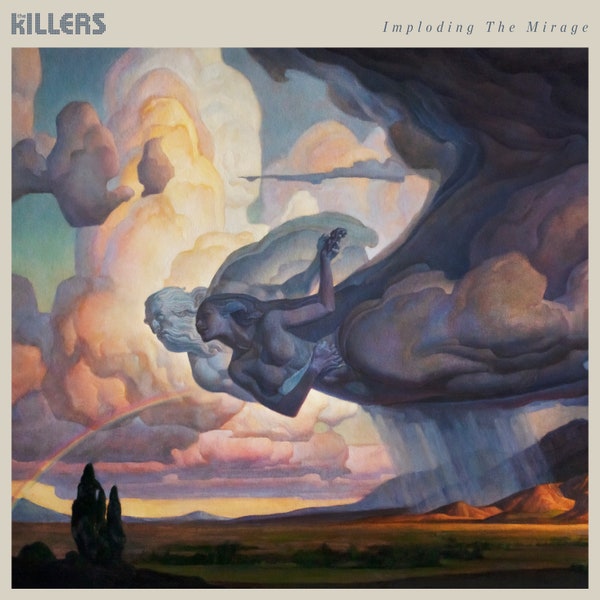
Hello, everybody. What a year, huh? It seems that COVID-19 has entirely put life as we know it on hold. But hey, the music world may be showing us a light at the end of the tunnel, as one by one, delayed albums are being rescheduled and coming out. Today, at long last, we are talking about Imploding the Mirage, the sixth album by alt rock legends, The Killers. This one was originally slated for release in May, before being delayed due to a combination of COVID-19 concerns, and complications with finishing the album. And the band had a lot to live up to with this one. The Killers boast a notably consistent discography, thus far in their career. Sure some albums are better than others, but even the lowest points are still pretty solid. Does this still hold true as of the release of Imploding the Mirage?

                  The answer to that question is a resounding YES. The Killers have given us yet another album that lives up to the standard of quality that we have come to expect from them. Sonically, we hear them continue in the sleek, cleanly produced, synth-rock direction that we saw them pursue on their 2017 release, Wonderful Wonderful. And while that album was a decidedly modern sounding indie pop excursion, Imploding the Mirage sees the band wearing their love for 80s rock on their sleeve, at times taking composition and production cues straight from Jack Antonoff’s playbook. Fortunately, at no point is the band’s identity lost. This is still very much a Killers album. The band’s heartland rock-inspired sense of mood and melody come through as strong as ever here, leading many of these moments to sound reminiscent of Bruce Springsteen. And while you all know how I feel about Springsteen, I actually think The Killers pull that sound off quite nicely here (mostly because Brandon Flowers can actually sing).

                  One of my favorite things about The Killers is their knack for writing compositions that make a standard rock instrument lineup sound massive and triumphant in a very orchestral way. And on Imploding the Mirage, they really take it to the next level. The entire runtime of this album is an adrenaline high brought on by big, yet carefully arranged instrumentation that is always engaging, and provides the perfect platform for Brandon Flowers’ incredible and unmistakable vocal performances (I’m sure it goes without saying that Flowers brings his A-game on this album). The synths alone form their own modern orchestra, filling all the different sonic spaces that a symphonic band might otherwise fill. Apart from the synths, bassist Mark Stoermer is the star of this album, providing thick, thumping basswork that fills out the low end beautifully, and truly shines on “Fire and Bone,” a surprisingly funky track on the album. The guitar does just what it needs to do, but ultimately takes a backseat for the majority of the album. This is most likely because this is the band’s first album without guitarist Dave Keuning (though he’s been shirking his Killers responsibilities for three years now, so at this point, good riddance). The band has yet to officially replace Keuning, so guitar duties are shared between bassist Mark Stoermer and producer Jonathan Rado, who definitely get the job done, all things considered. “Caution” features Lindsey Buckingham on guitar, and he ends the song with an excellent solo. Guest vocal performances by k.d. lang on “Lightning Fields” and Weyes Blood on “My God” are nice little additions to already effective songs.

                  As a writer, Brandon Flowers really stepped up to the plate on this album. Songs like “Caution,” “My Own Soul’s Warning,” and “Blowback,” have some of the most gorgeous and triumphant melodies in the band’s entire discography. Lyrically, Flowers spins tales of love, loyalty, ambition, reckless abandon, and hope. “Caution,” tells the story of someone leaving the comfort of their hometown to pursue their dreams, breaking completely out of their comfort zone, a general sentiment that repeats several times throughout the album, specifically on “Blowback” and “Imploding the Mirage.” “Dying Breed” is about having a friend’s back no matter what. “Lightning Fields” is about the feeling of always needing to be with the person you love. An album of songs this positive and hopeful is truly a blessing that we needed this year.

                  If this album has one fatal flaw, it is that it follows a pretty consistent sound and structure, and many of the most memorable cuts are found on the first half. Not that there aren’t great songs later in the album (“Imploding the Mirage” is an excellent closer, for example), but many of the moments that leave the strongest impression, such as “Caution” and “My Own Soul’s Warning” are found very early on. As I said, the sonically beautiful and triumphant nature of this album never lets up, making for a thoroughly enjoyable listen top to bottom, but songs that show up later on, such as “Running Towards a Place” and “My God” can come off as forgettable, compared to the very strong first half of the album.

                  Overall, The Killers have given us another album that is every bit as good as any fan could expect. Even if not every song is a winner, the best songs Imploding the Mirage has to offer could easily stand among the best in the band’s discography. The album’s consistent mood and compositional style make for an engaging listen, and Brandon Flowers’ emotive delivery of his very clearly heartfelt lyrics make this album a pretty easy sell to any fan of The Killers. With the band’s catalogue being so consistently good, it’s hard to definitively rank this album within their discography, but I can definitely see it becoming a favorite. The Killers have been on a winning streak for their entire career thus far, and I hope it doesn’t end anytime soon.

Score: 8/10

Favorite Song(s): Caution, My Own Soul’s Warning, Blowback, Imploding the Mirage

Least Favorite Song(s): My God, Running Towards a Place

Rush Starter Pack

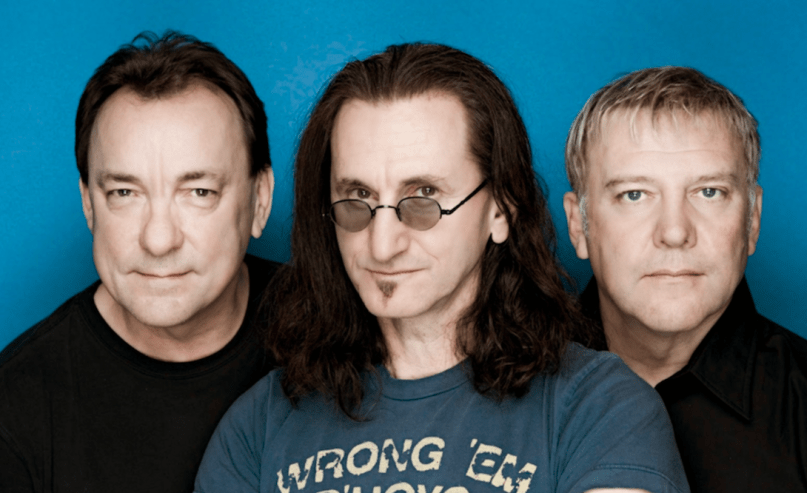
Hello, and welcome to the second installment of “Starter Packs,” where I take a popular band or artist with a notably large catalogue of work, and recommend three albums to start your journey. Today, we’ll be taking a look at Rush. As some of you may know, Rush is my favorite band, and I’m more than happy to talk your ear off about them anytime, so this should be a fun one. Rush are inarguably a prog rock staple, and one of the most accomplished bands in the history of the genre. With a career spanning nearly half a century, and a discography of 19 studio albums, there’s a lot of music to dig into. So today, I’ll be sharing what I feel are some of the best places to start. Keep in mind, these aren’t necessarily my personal favorite Rush albums (check out my Rush discography ranking from earlier this year for that), but are simply the albums I feel are good jumping off points. So let’s get started!

1.Moving Pictures

Everyone starts with Moving Pictures. No exceptions. Non-negotiable. Moving Pictures is Rush’s mainstream rock opus, and is a classic record by all metrics. With this album, Rush managed to become the most radio-friendly version of themselves, without sacrificing any of the complex, yet quirky characteristics that made them such respected musicians in the prog scene. This album is packed wall-to-wall with classics such as “Tom Sawyer,” “Limelight,” and “Red Barchetta,” making it the perfect first impression for newcomers, particularly those who may not be ready for the weirder corners of Rush’s discography. Get ready to lose yourself in the massive atmosphere, and barrage of virtuosic instrumental passages that ooze out of these songs. The busy, yet purposeful, compositional style displayed by all three members ensures that there is never a dull moment on Moving Pictures. It’s an accessible, and quite inviting album that will leave you hungry to hear more of what these guys are capable of. So with that, let’s keep moving.

2. 2112

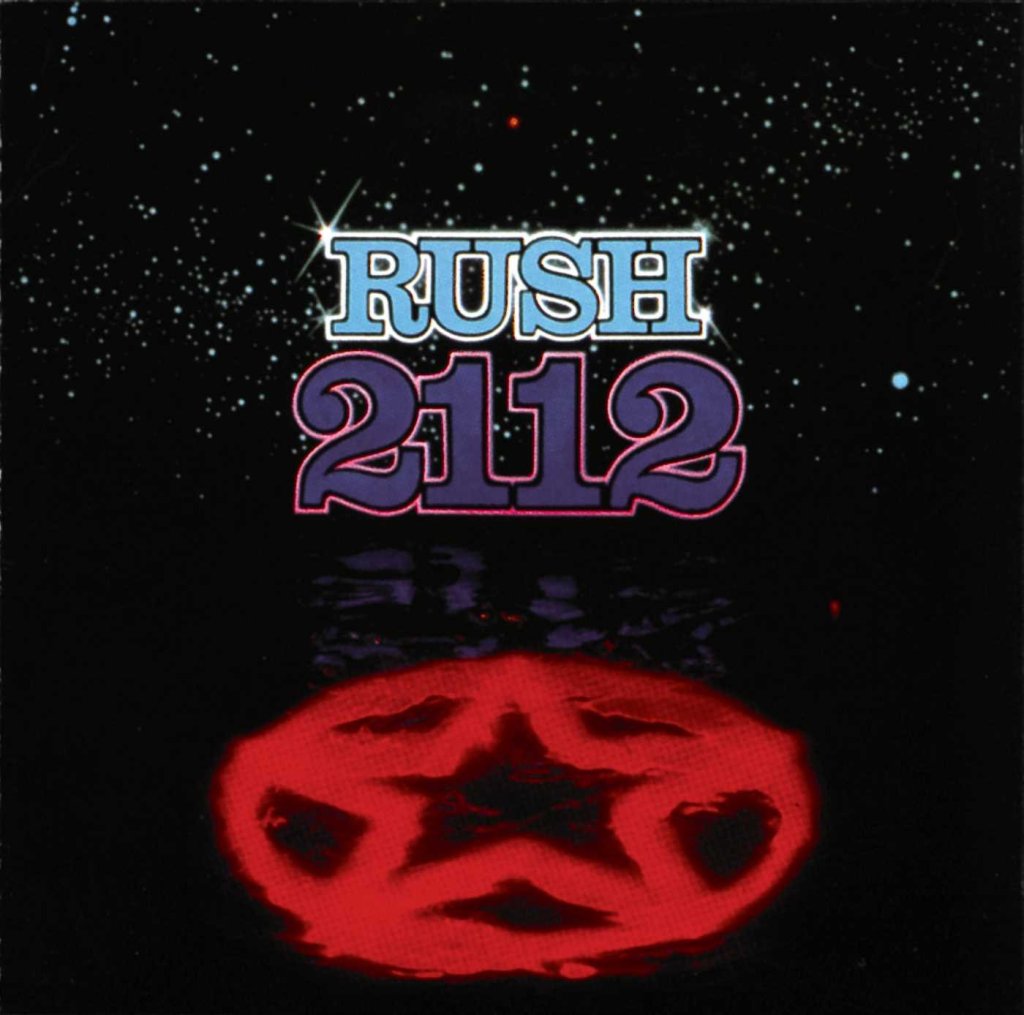
For this one, we’re going back a little earlier in Rush’s career, to the album that essentially saved them. Prior to 2112, Rush just wasn’t selling records, and their label was losing patience. The band was explicitly told that if their next record wasn’t a hit, they were done. They were instructed to write more mainstream-friendly music. So naturally, they ignored the label executives, and wrote one of prog rock’s great masterpieces. And against all odds, it exploded. And for good reason. Ladies and gentlemen, I’m not exaggerating when I say that side A of 2112 is the greatest 20 minutes of audio ever captured. A massive, multi-movement sci-fi suite about a dystopian world without music. If you aren’t 100% sold on Rush, hearing this absolute gem of a track will get you there. And on top of that, Side B is a pretty great sampling of Rush’s early sound, with classics such as “A Passage to Bangkok” and “The Twilight Zone.” And if you love this record, I have some great news for you. The entirety of Rush’s output from the 1970s is an absolute gold mine of superb prog rock in this vein. So go nuts. I can’t stress enough what a joy this band’s early work is.

3. Grace Under Pressure

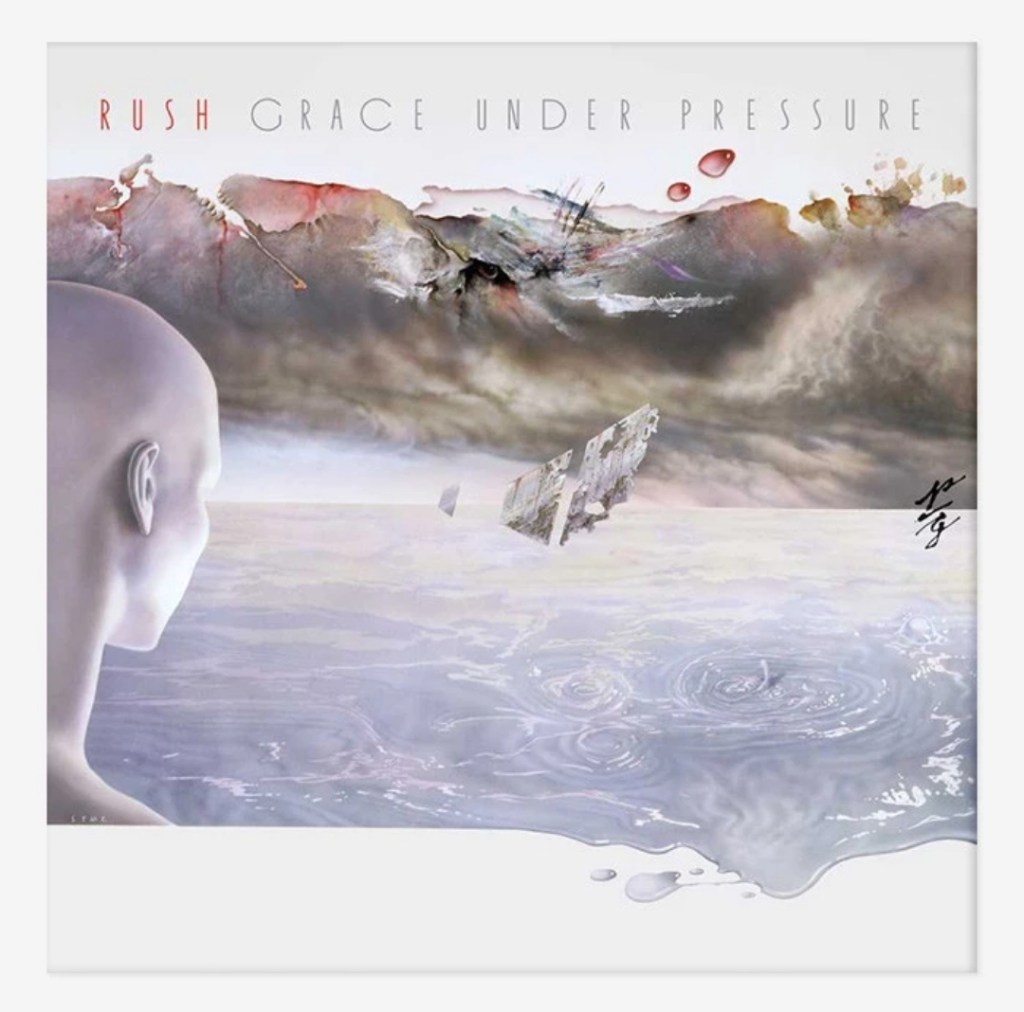
The 1980s were a controversial time for Rush, and the music they released during the decade remains a topic of debate among Rush fans to this day. Following the massive success of Moving Pictures, the band dove headfirst into the use of electronics and synthesizers, an element that had already been growing more and more present in their music for some time. This lead to the creation of four new wave albums throughout the 80s, which together are known to Rush fans as “the synth era.” Some fans of the band absolutely hate the synth era. Hell, even Alex Lifeson hates the synth era. But nevertheless, it was a noteworthy period in Rush’s career, and it must be represented in this starter pack. And while many fans would point to Signals, the first album of the synth era, as the best, I have always felt that the next album, Grace Under Pressure is where the band truly locked in their new sound. The production and performance are air-tight, the songwriting packs a punch at all the right times, and the mix of Geddy Lee’s synth work, Neal Peart’s electric drums, and Alex Lifeson’s inversion-heavy guitar riffage, comes together as one unified musical unit more effectively here than on any other Rush album from this era. Songs such as “Distant Early Warning” and “Red Sector A” are some of the best from this era, and from Rush’s entire catalogue. If you enjoy this album, you’ll surely love the rest of Rush’s synth era albums. And if you enjoy all three of the albums I’ve suggested, then do yourself a favor and dive headfirst into the rest of this band’s immaculate body of work.

MINI-REVIEWS: July 2020

The Beths – Jump Rope Gazers

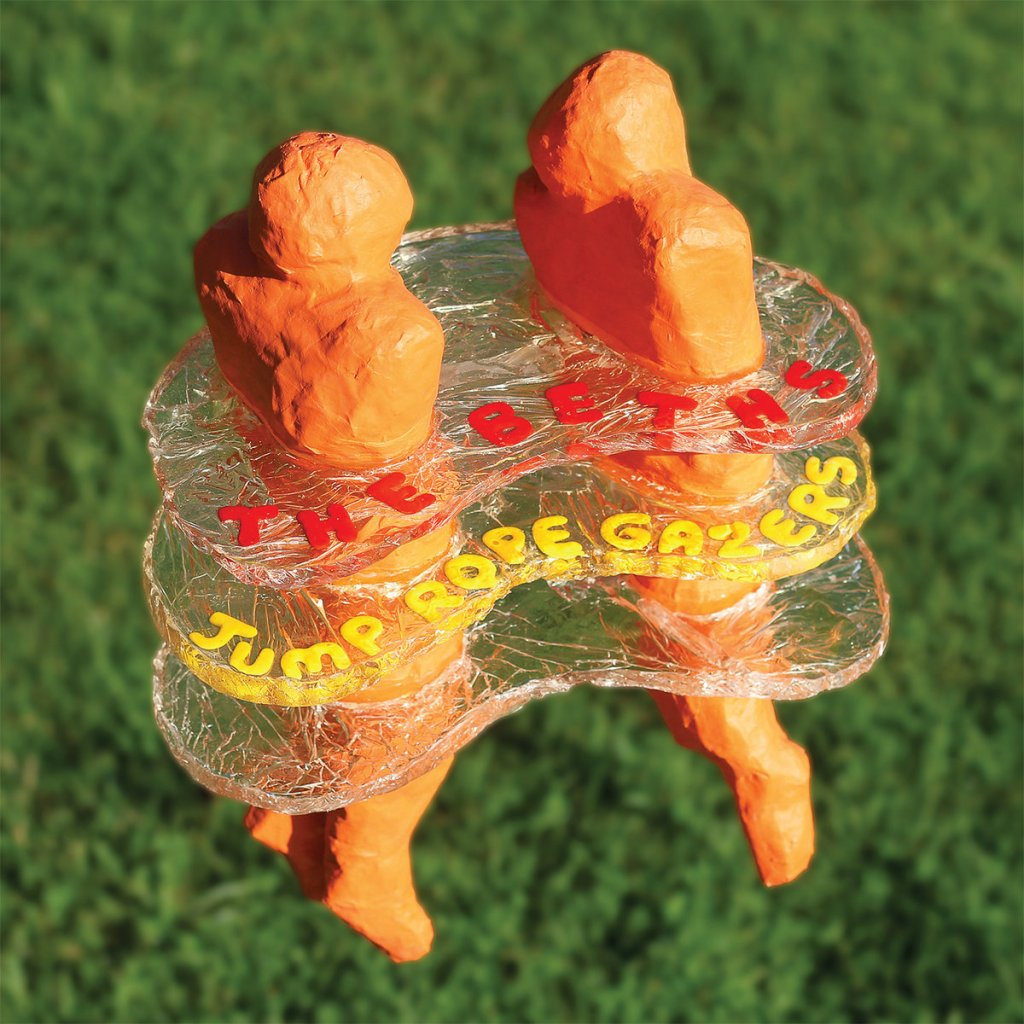
The Beths are a band that I recently became aware of, simply from hearing their songs pop up on playlists. Eventually, I decided to check out their 2018 debut album, Future Me Hates Me, and immediately fell in love with the quirkiness of the airy lead vocals, contrasted against energetic, big-guitar instrumental textures, taken straight from the 90s alternative playbook, drawing clear influence from the likes of Green Day and Weezer. This is exactly the kind of fun, delightful indie rock that belongs on any summer playlist. Upon discovering that their sophomore album was coming this year, I knew I had to check it out. And it honestly didn’t disappoint. We pretty much hear more of the same with Jump Rope Gazers that we heard on Future Me Hates Me. And even though this is something that many sophomore records are criticized for, it isn’t always necessarily a bad thing. In the case of The Beths, their sound is still far from growing stale, and the songwriting quality hasn’t gone down a bit with this record. Get ready to fall in love with the fun, energetic upbeat guitar tunes, as well as the softer moments, where the instrumentation takes a backseat to the genuine and vulnerable lyricism. The Beths are certainly a band that has some room to grow, but they have an absolutely irresistible sound, and I fully expect to have this album in regular rotation for the rest of the summer. You should too.

Score: 4/5

Kansas – The Absence of Presence

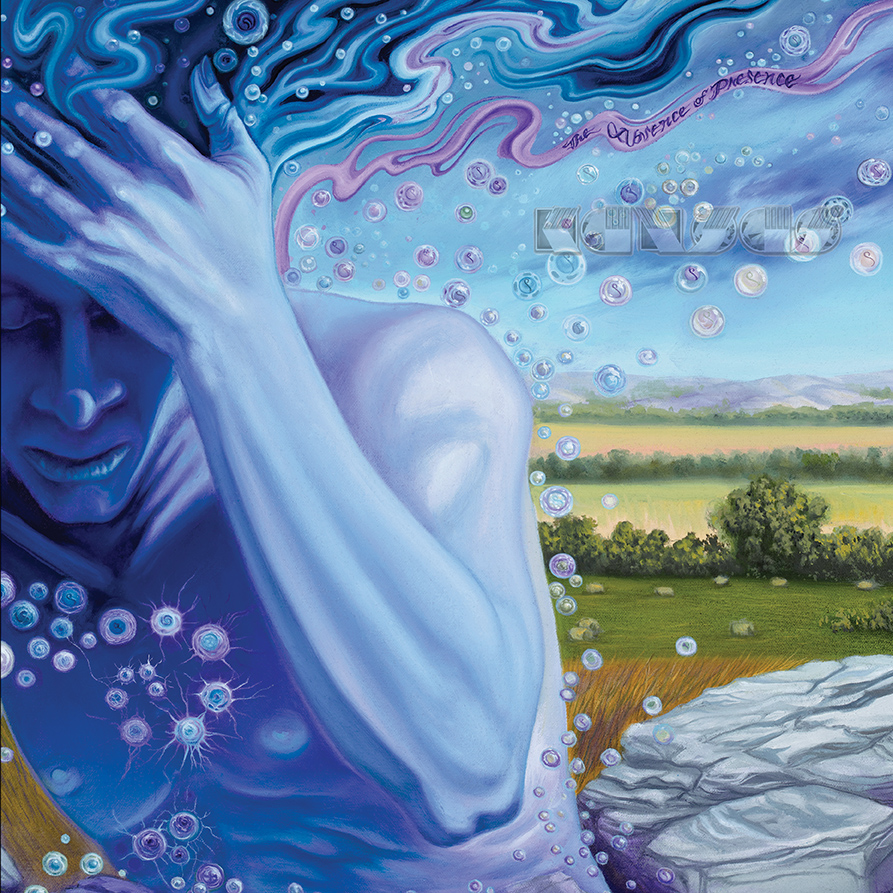
Kansas are without a doubt one of the quintessential dad rock bands. You know, those bands from the 70s and 80s that are limping along with almost no original members, and spending most of their working time doing summer amphitheater tours, usually including one or two other dad rock bands? And let’s face it, bands that fit this description rarely release new music, and when they do, the sales and streaming figures are pretty underwhelming. And now, we have a new album from Kansas (or at least the rhythm guitarist and drummer of Kansas…I have no idea who the other guys are). So what do we get from The Absence of Presence? Well, it seems that Kansas has made a Kansas album. There’s really not a whole lot more I can say about it. It’s a straightforward 70s-style prog record, in the style of Leftoverture or Point of Know Return. And while I will admit I enjoyed this album more than I would’ve enjoyed a callback to the band’s 80s stadium rock era, it doesn’t come anywhere near measuring up to their classic records. Don’t get me wrong, it ticks all the boxes. Complex guitar interplay, multi-movement songs, effects-heavy keyboards, and plenty of violin work. But at no point do they go above and beyond that bare minimum and make anything outstanding or overly memorable. But then again, did we expect them to? These guys are over the hump, and they know it. They also knew that this album would pretty much exclusively be listened to by their most loyal fans, and it’s pretty clear that they’re the ones this album is made for. So hey, if you’re a lifelong Kansas fan who loves the majority of their discography, you’ll probably dig The Absence of Presence. Everybody else can skip it.

Score: 2.5/5

The Pretenders – Hate for Sale

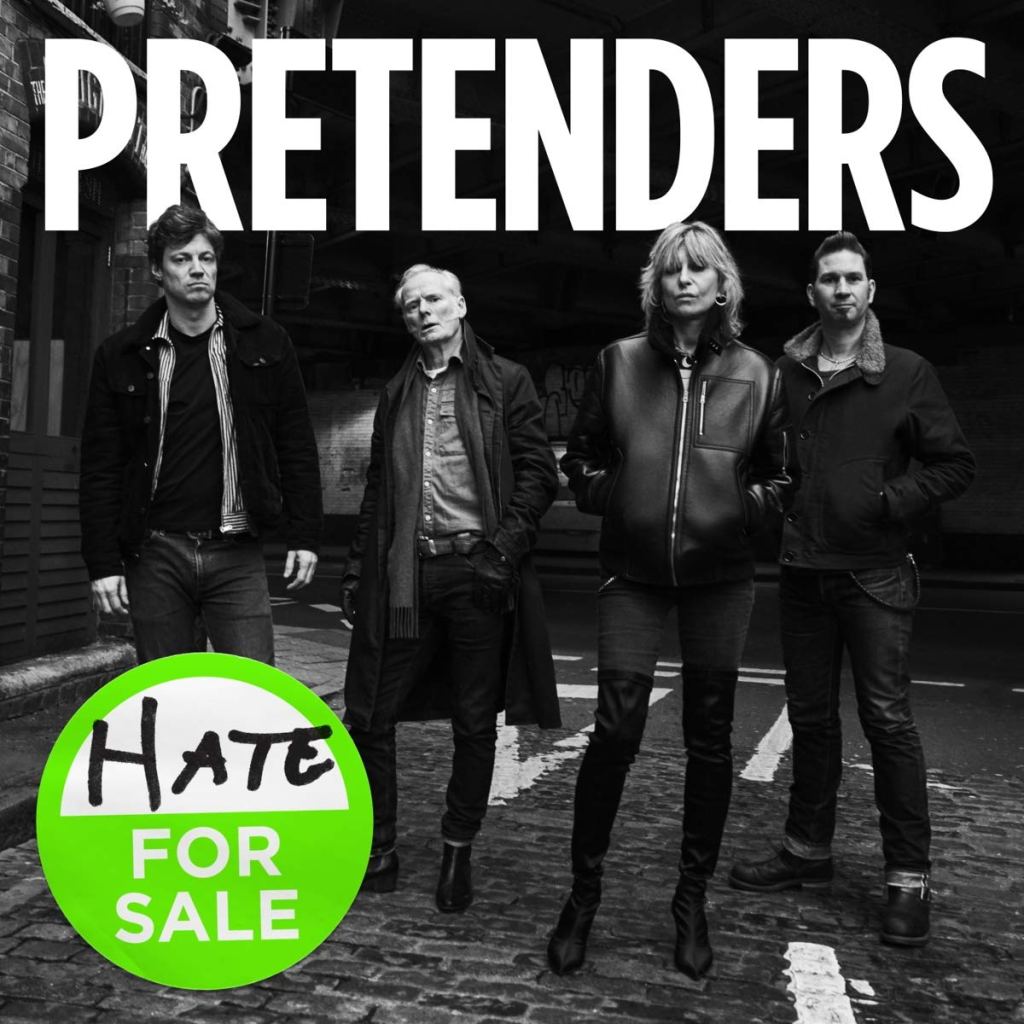
Up next, we’re throwing it back to one of punk rock’s biggest household names. So what do The Pretenders have to offer in 2020? Well, like with Kansas, this is a Pretenders record, through and through. That being said, I actually kind of love this album. The difference is that while this is a fairly standard Pretenders album, it offers up not only the style and sound of the band’s classic work, but also the raw punk energy and irresistible songwriting. This certainly isn’t on the same level as the band’s self-titled masterpiece, but it is honestly in the ballpark of some of their other classic records. In a compact 30-minute package, Hate for Sale offers a highly enjoyable mix of the band’s classic punk attack, and softer moments that feel very genuine and personal to Chrissie Hynde. I can’t say I really knew what to expect from this album, but what we get is The Pretenders doing what they do best, and I certainly can’t complain.

Score: 4/5

Alanis Morissette – Such Pretty Forks in the Road

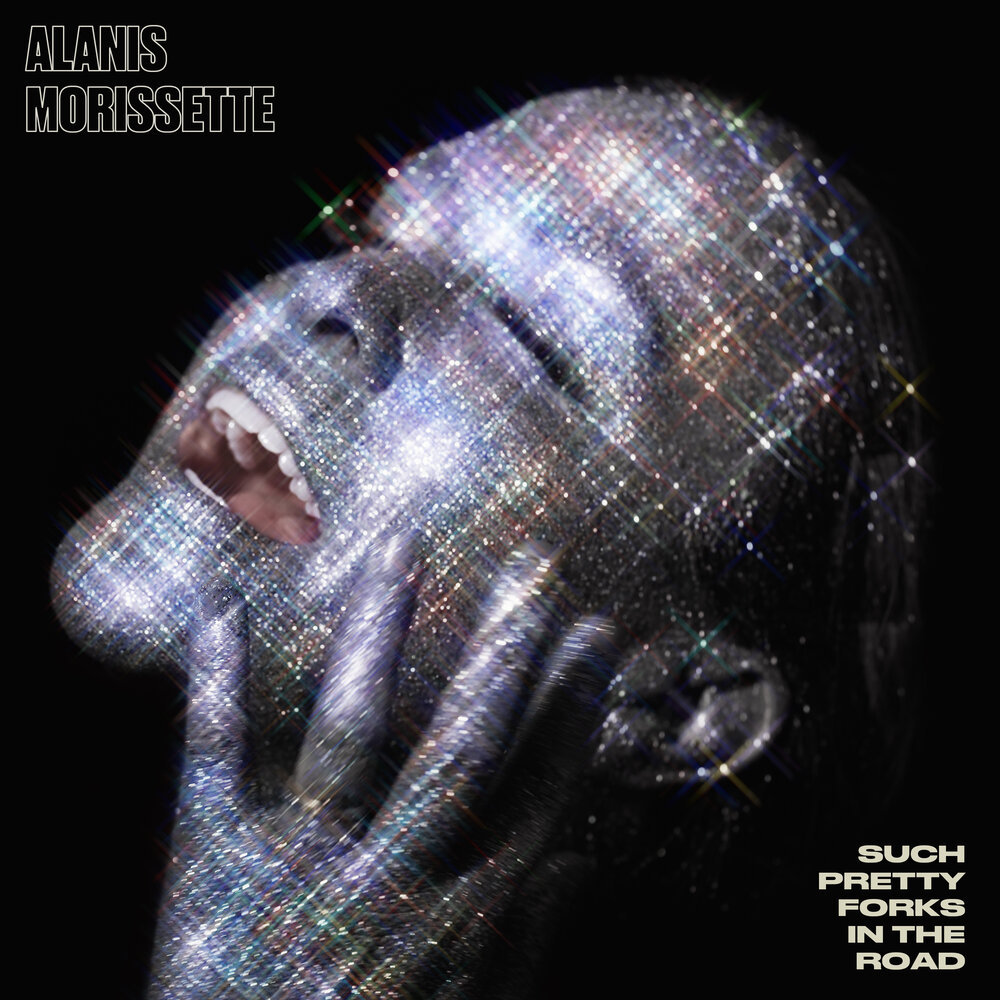
Sure, it’s been over two decades since Alanis Morissette released a truly great album, but hey, if there was ever a time for the blunt, bitter, and honest introspection that Morissette brings to the table as a songwriter, it’s 2020. I must say, the first several tracks of Such Pretty Forks in the Road got me pretty excited. These songs were all as beautifully flawed and emotively performed as one could ever expect from Morissette, and her sense of melody is every bit as impactful as it has ever been. Unfortunately, this very strong beginning is the high point of the album. That’s not to say there aren’t any other good songs here, but Morissette ultimately fails to keep the initial momentum running for the duration of the listening experience. This is only amplified by the fact that the majority of these songs are piano ballads. They may be solid piano ballads, but let’s face it, putting too many slow songs back to back on an album is attention span poison. Every time I spun this album, I found myself having to try very hard not to zone out and lose interest in spots. On top of the more chill, ballad-centric nature of this album, we also hear very clean, pop-centric production, which works well overall for the style of music that Morrissette presents, but the vocal filtering can be something of a hinderance to the raspy, broken, emotional delivery that made Morrissette famous, and made Jagged Little Pill an alt-rock staple. But you know what? On top of all these complaints, the best moments on this album are absolutely beautiful. Alanis Morrissette’s introspective and highly vulnerable writing style has always been completely irresistible to anybody who dares to really listen and be sucked into her world, and that’s as true on this album as it has ever been. Only this time, she approaches her writing with a serenity and maturity that displays much growth from who she was in the 90s. Such Pretty Forks in the Road is far from the timeless classic that was Jagged Little Pill, but a few personal preference-based complaints aside, this is a very welcome addition to the discography of one of rock’s most accomplished women.

Score: 3.5/5

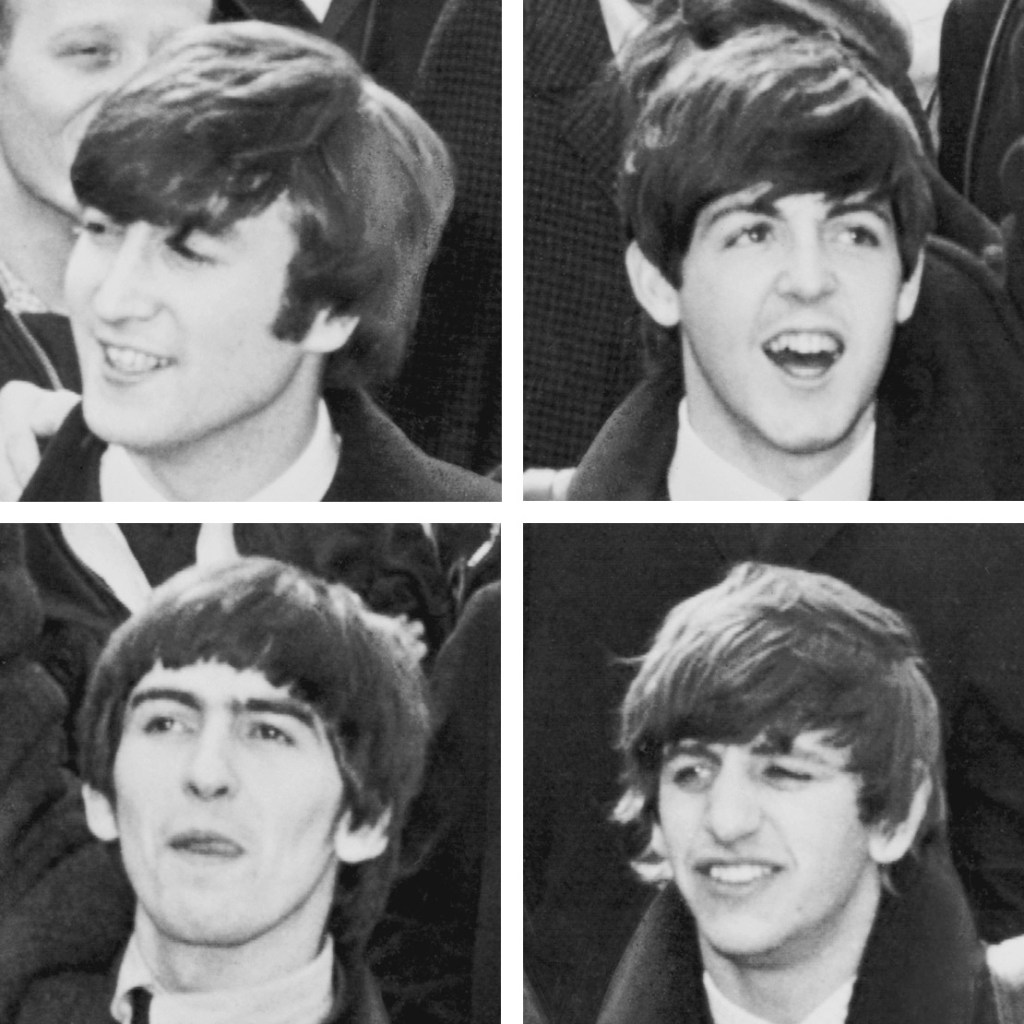
The Beatles Starter Pack

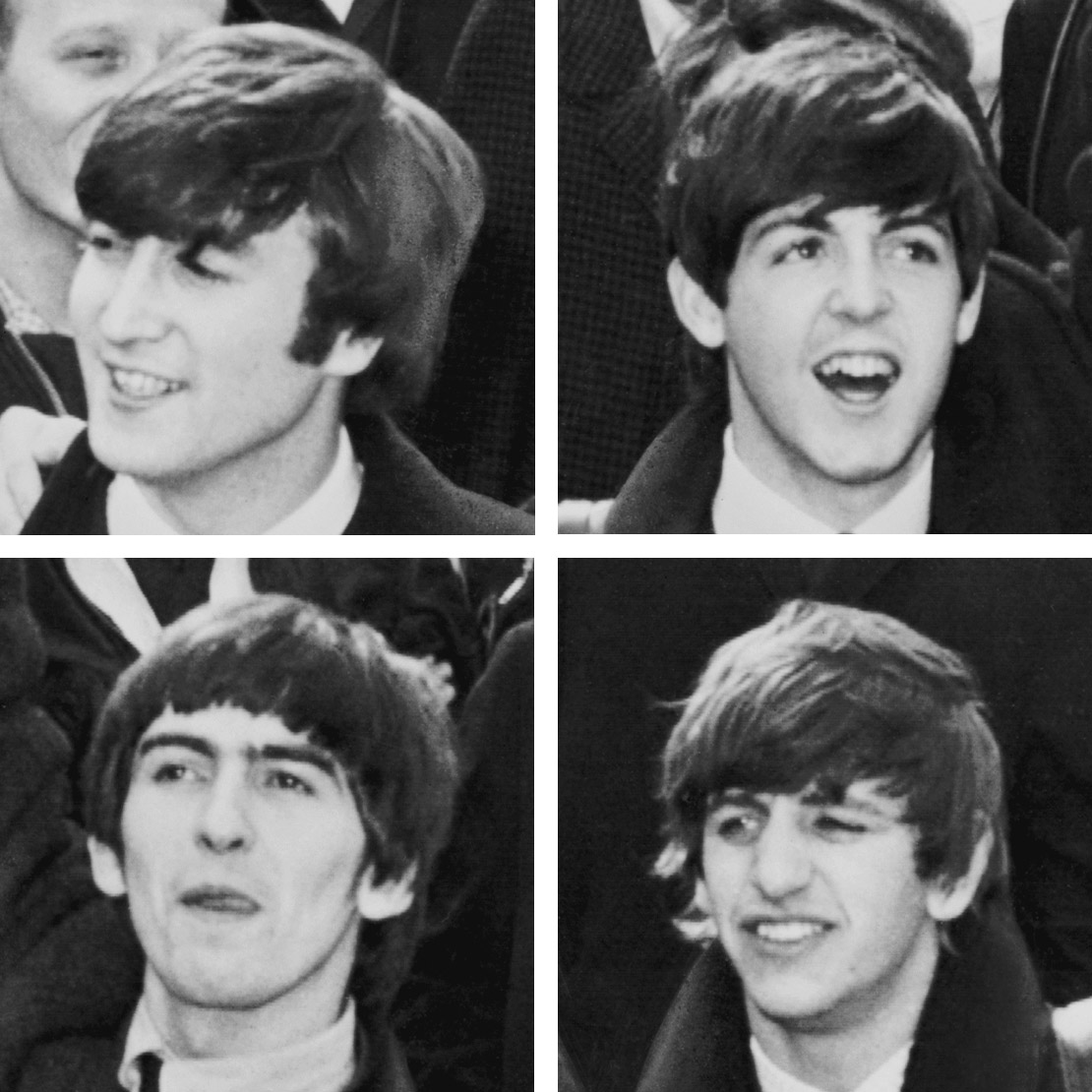
Hello, and welcome to the first installment of “Starter Packs,” where I take a popular band or artist, with an exceptionally large discography, and recommend three albums to start your journey! These may not necessarily be my three favorite albums from the artist, but are simply a sampling of their music, which I feel best represents their body of work as a whole. Today, we’ll be taking a look at The Beatles. Hailed by many as the greatest rock band of all time, and one of my personal favorites, The Beatles cranked out an incredible amount of timeless, game-changing pop music in the span of only a decade. Looking at the full timeline of what this band achieved, one might not know where to begin. So now, I’ll be walking you through the three albums that I feel are the best places to start when it comes to The Beatles.

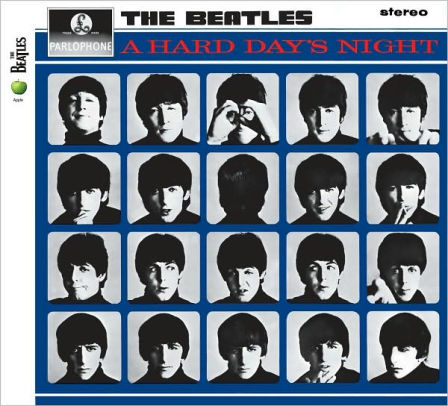
1.A Hard Day’s Night (1964)

Everyone’s heard about Beatlemania. Everyone’s seen the videos of The Fab Four being chased down the street by screaming, adoring fans. Everyone’s heard the audio clip of Ed Sullivan exclaiming, “Ladies and gentlemen…The Beatles!” This was a pivotal moment in pop culture history that set the standard for what it would mean to be a pop icon. This era for the band is perhaps best represented by their 1964 album, A Hard Day’s Night. Songs such as the unforgettable “Can’t Buy Me Love” and the titular “A Hard Day’s Night” are very closely tied to this moment in history, adding an even greater importance to this album. Stacked top to bottom with some of the most infectious pop songs ever written, this album perfectly exemplifies what the hype around these four Liverpool boys was about. If you enjoy this, you’re sure to love the rest of the band’s early works as well.

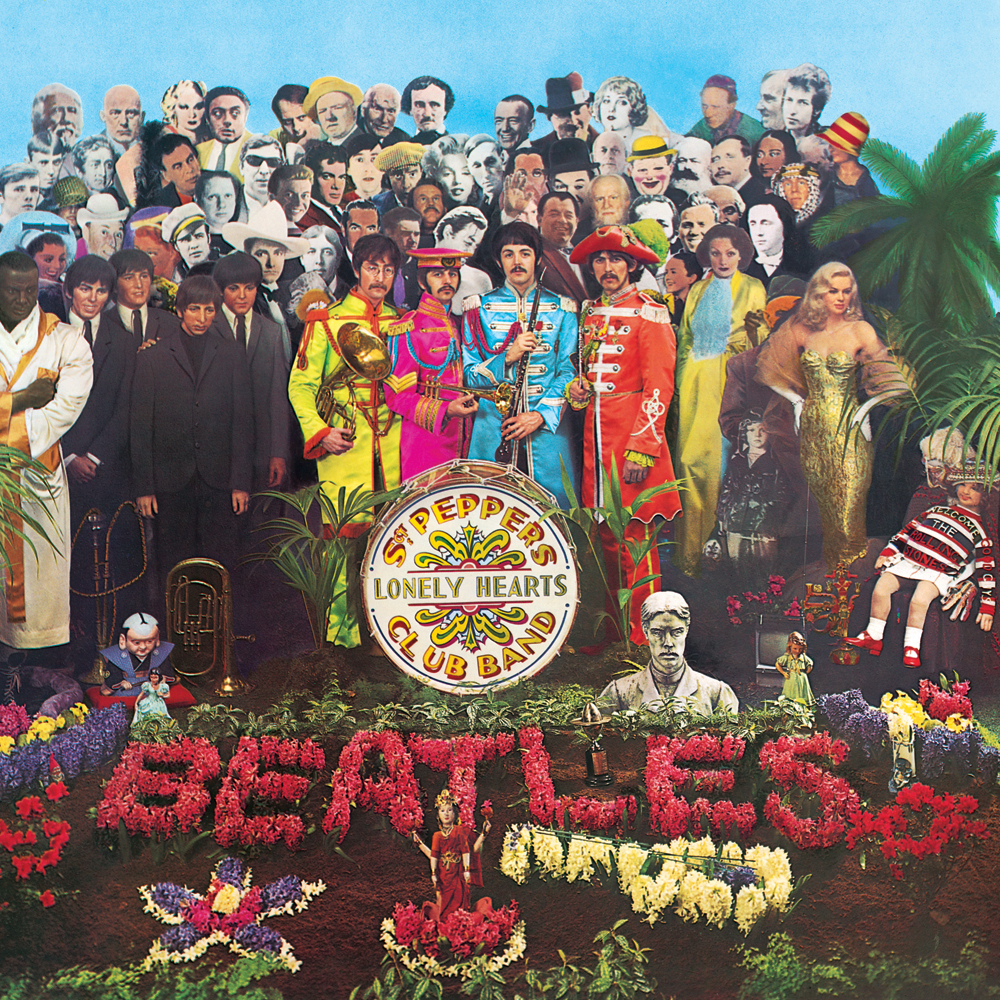
2. Sgt. Pepper’s Lonely Hearts Club Band (1967)

It’s incredible how quickly The Beatles evolved from a heartthrob pop act to a daring, ambitious proto-prog outfit, that would open the floodgates for creative music for years to come. Sgt. Pepper’s Lonely Hearts Club Band was the end product of perhaps the most ambitious idea The Beatles ever had, or what is now known as the “concept album.” Performing as an alter ego band of sorts, The Beatles applied everything they had learned from their previous two, equally adventurous releases, and created the most complete and cohesive album in their entire discography. Considered by many to be the single greatest album of all time, Sgt. Pepper’s revolutionized what it even meant to create an album. This was the first time in the history of popular music that full LPs were outselling singles. With this album, The Beatles set a new standard for album construction, where the album as itself functions as a coherent experience (which is obviously something I’m quite thankful for). Sgt. Pepper’s is a must-hear, not only for anyone who is trying to get into The Beatles, but for any self-respecting music lover in general. Later on in your Beatles journey, if you are interested in hearing the transitional period between the A Hard Day’s Night sound, and what they achieved here, check out Rubber Soul and Revolver as well.

3. Abbey Road (1969)

As the Beatles’ ten year run progressed, the songwriting skills of the respective members only got better and better, due in part to John Lennon’s and Paul McCartney’s mutual obsession with being better than the other. As their career as a band neared its end, this slow-burning competition culminated with 1968’s The Beatles (better known as The White Album), and 1969’s Abbey Road, two of music’s great instruction manuals in creative songwriting (and my two personal favorite Beatles albums). Ultimately, I elected to include Abbey Road in this particular list, as it is by far the most accessible of the two. Not only do Lennon and McCartney set their best feet forward with some of the band’s all time classics, such as “Come Together” and “Oh! Darling,” but we also hear two contributions from George Harrison, “Something,” and “Here Comes the Sun,” both of which stand up to anything Lennon and McCartney have ever written. We even get the ever-rare Ringo Starr composition in “Octopus’s Garden,” an irresistibly whimsical children’s song in the style of “Yellow Submarine” (but actually a much better song). And of course, we get the Lennon/McCartney songwriting duo’s crowning achievement, the “Abbey Road Medley,” an epic, proto-prog collection of short songs that takes up most of the record’s B-side. With their final record recorded (not their final record released, but that’s a story for another day), The Beatles gave us a masterpiece that exemplifies the songwriting talents of all four members to the fullest. After you sink your teeth into this record, you’ll be hungry to hear the rest of this band’s incredible catalog of work, guaranteed.

MINI-REVIEWS: June 2020

The Ghost Inside – The Ghost Inside

With new releases slowing down drastically due to COVID-19, I had to do a little bit of deep digging to come up with a solid review schedule for this month. For instance, I decided to check out the new album from The Ghost Inside, a popular-ish metalcore band from the late 2000’s and early 2010’s that I really hadn’t paid much attention to at all. Upon digging through their discography a little bit, I discovered that while much of their work was fairly hit-or-miss, and frankly pretty derivative of metalcore bands who came before and did it better, their 2012 album, Get What You Give is actually pretty solid overall. So hey, maybe if they were capable of creating a record so tight, riffy, and all around well written in 2012, they could do it again in 2020, right? Well, that’s not really what happened. If I’m being honest, The Ghost Inside’s self-titled album really doesn’t do much for me at all. While Get What You Give, and even select moments from other records, show at least some baseline level of versatility, this album is pretty sonically stagnant. We get all the drop-tuned guitar chugs a metalcore fan could want, but no memorable riffing or lead work, and no real fluctuation in dynamics. Classic metalcore acts such as Killswitch Engage and Avenged Sevenfold were masters at keeping fans engaged, because they knew how to weave in softer, more melodic moments to contrast against the heavier, more aggressive ones. And while The Ghost Inside have shown us in the past that they can do that, they do it so rarely here, that when it does occur, it’s more off-putting, and ultimately confusing, than anything else. Aside from these moments, guttural vocals rule the majority of this album, even in moments where the instrumentals would be better complimented by melodic vocals (this is actually a problem I have with the band’s entire discography), and messy production that lacks space and dynamic range prevents the vocals from standing out and shining when they need to the most. Not that you’d be missing anything if you didn’t catch any of these cliché, by-the-numbers, overly dramatic metalcore lyrics. Metalcore may not be my favorite genre, but even I know that solid riffs and melodies are essential to success within the genre. And they’re really nowhere to be found on this album. The Ghost Inside really isn’t a horrible listen, but it’s not one that adds anything to the story of this band, or the genre as a whole, either. All it really does is solidify this band as a one-trick pony. If you want to hear a modern band that does that trick better, I recommend checking out Wage War.

Score: 2/5

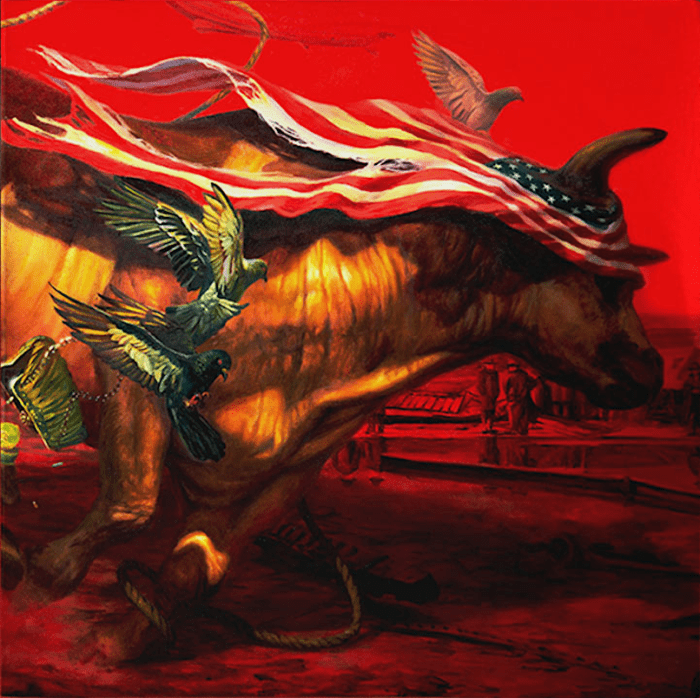
Protest the Hero – Palimpsest

Here’s a somewhat obscure band from the prog metal scene that most of you have probably forgotten about. Falling more on the mathcore side of things, this band can certainly be an acquired taste. But with this album, they’ve made something that’s completely in touch with their quirky and complex style, while still being palatable enough that most fans of metal can probably get behind it. This record is laced with epic, power metal inspired instrumentals, and soaring lead vocals that remind of Bruce Dickinson, while guttural vocals are relatively scarce, especially for a Protest the Hero album. The instrumentals are largely centered around the fast, yet at times staccato guitars, drenched in distortion and heavy compression, sounding almost like 8-bit arcade game music. Throughout the record, we hear moments of bass matching these guitar lines, with a fat, meaty distorted tone, though it sits a little low in the mix for my taste, so you may not hear it unless you’re listening for it. All of this is livened up by ever-blasting drums that just don’t quit. Not much dynamic flexibility for a 52-minute runtime, but the seemingly effortless fluidity and tightness of the band’s playing is enough to mesmerize listeners for the full duration. And the addition of pianos and strings throughout definitely add depth and power. Conceptually, the lyrics are very politically driven (definitely a theme this year), but with a bit more positivity. Don’t get me wrong, these guys clearly aren’t fans of the president, but without giving too much away, there’s a running theme of using his “Make American Great Again” slogan to reflect on everything they find to be truly great about the United States. It’s definitely an interesting change of pace to hear a band air their grievances, but with such optimistic overtones. Overall, this is probably my favorite Protest the Hero album to date.

Score: 4/5

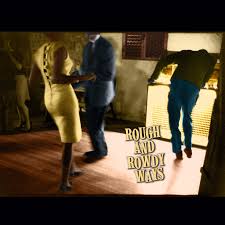
Bob Dylan – Rough and Rowdy Ways

It’s been a minute since Bob Dylan released anything I even remotely cared about. Who wants to hear three covers albums in a row from ANY artist, let alone a man who is simultaneously one of the greatest songwriters of all time, and one of the worst singers of all time? Bob Dylan is honestly the last artist who should be releasing covers albums. But at last, we have some new original music from Bob Dylan. And? Look people, what did you expect? This is Bob Dylan we’re talking about. As far as his original music goes, the scale only goes from “great” to “really great.” So I knew when I first sat down with Rough and Rowdy Ways, I probably had a real treat on my hands. And this thing certainly didn’t disappoint. Set against his usual, stripped down, rootsy backing instrumentals, Dylan delivers an album of ten story songs, some of them rather lengthy (think Don McLean’s “American Pie,” George Thorogood’s “One Bourbon, One Scotch, One Beer, or Gordon Lightfoot’s “The Wreck of the Edmund Fitzgerald”), making for a total runtime of an hour and ten minutes. Such a long undertaking with such simple bareness in the instrumentals could only work if the lyrics were absolutely spectacular. Dylan spins tales of his life, his loves, and his travels, through a lens of age and experience that truly lends itself to where he is in his life and career, and how his many prior records have led to this one. Admittedly, the album can start to drag when Dylan wanders off on stream-of-conciousness tangents, particularly on the 17 minute closer, “Murder Most Foul,” but at the same time, every lyric seems as important and purposeful as the last. These story songs also come at the expense of the simple, singable songs of Dylan’s prime. Let’s just say there’s nothing here that demands a Guns N’ Roses cover. And of course, Dylan’s voice has only gotten rougher over the years. This album is a test in patience, and it’s not the sweetest on the ears. But for fans of Dylan, or of great songwriting in general, this album is an absolute joy. Rough and Rowdy Ways isn’t likely to experience the same longevity as Dylan’s classic albums, but even a mid-tier album from one of music’s great songwriting treasures leaves very little to be desired.

Score: 4/5

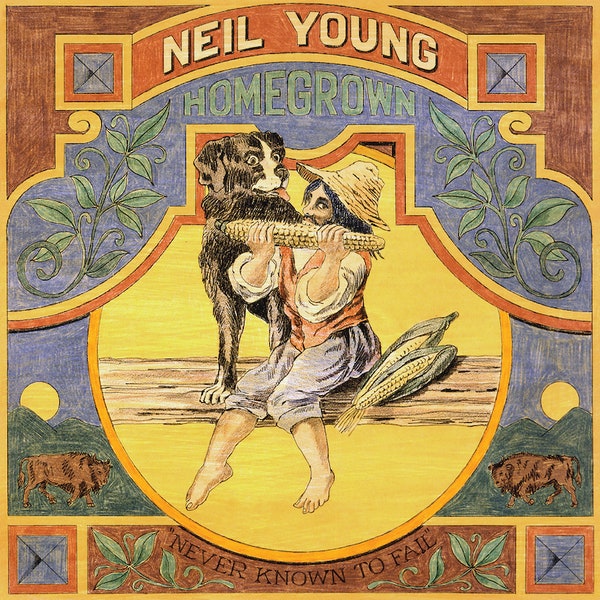
Neil Young – Homegrown

And now, we move from another addition in the ever-growing discography of a folk rock singer-songwriter legend, to…another addition in the ever-growing discography of a folk rock singer-songwriter legend. Seriously, new Bob Dylan and new Neil Young in the same day? Alright sure, I’m down. Once again, new releases have virtually slowed to a crawl, and if these old dogs are giving me something to talk about, I welcome it. What makes this Neil Young release so interesting is that it’s actually an album of unreleased material, written and recorded in 1974 and 75. We’re talking right at the heart of Young’s songwriting peak. And I must say, learning this really peaked my curiosity. And yet, at the same time, I was a bit skeptical. I mean, this music was written during the same era as Young’s all-time great classics, only to sit in the vault, untouched for nearly half a century. How good could it really be? A couple spins later, I’m happy to report that the quality of the music definitely isn’t the problem with Homegrown. The ideas here are as good as you might expect from mid-70’s Neil Young. They are, however, extremely undercooked and unfinished. The songs err on the short side, and the instrumentals are extremely minimalistic. But unlike the minimalism on Dylan’s new album, which seemed intentional, and worked for the most part, these songs have something of a first draft feel to them. Like much of Young’s music from this time period, slide guitars and pianos are prominently featured, along with the traditional rock band lineup, but they don’t feel exceptionally tight here. These songs give the impression of being the products of very brief, sporadic jams, amounting almost to a glorified demos album, with its overabundance of background noodling and studio banter. But as I said before…the songs themselves, though half-baked, are extremely good. And given that they were written nearly half a century ago, I think I’d rather hear them this way than for Young to have attempted to finish them now, coming from an entirely different age and mindset. Homegrown doesn’t come anywhere near feeling like a complete or coherent project, but at the end of the day, there are some genuinely great songs here, and I’m glad we finally get to hear them.

Score: 3.5/5

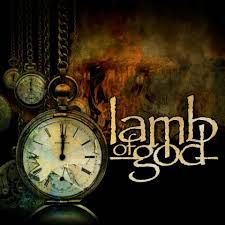
Lamb of God – Lamb of God Review

Look, everybody…if I’m being honest, I wasn’t nearly as excited for this album as I wanted to be. And I’m saying this as a pretty big Lamb of God fan. Seriously, this band is easily one of my favorite metal bands of the 21st Century. As far as I’m concerned, albums like As the Palaces Burn, Ashes of the Wake, and Sacrament function as a three-part instruction manual on how to write insanely infectious groove metal. So in the months leading up to the release of Lamb of God, why should I be so tentative? Well, the main issue for me was the recent departure of drummer Chris Adler. Having seen the band live last year, I witnessed first hand that new drummer Art Cruz is more than capable of performing Adler’s parts, but writing in studio with the band is an entirely different ballgame. As I said, Lamb of God is a band that excels in writing music that grooves naturally, and that is a product of them being one of the most rhythmically tight units in modern heavy metal. And nothing could have more potential to undermine that chemistry than the removal of their career-long drummer. That issue aside, let’s face it, all of Lamb of God’s best work is well over a decade in their rearview. So keeping all this in mind, I can’t say I had my hopes up for this one.

                  And against all odds, this album is absolutely killer. This is honestly the most high-energy and invigorated Lamb of God have sounded since Sacrament, and despite the change in drummer, the band’s overall groove is almost as tight as it has ever been. The change is definitely noticeable, but Art Cruz does an admirable job of filling Adler’s enormous shoes, falling into the natural Lamb of God groove, while adding his own style. While the band’s collective sound falls just short of the smooth, fluid groove that made Ashes of the Wake so irresistibly headbangable from top to bottom, Cruz’s drumming style ads a very heavy, stomping rhythm, which contributes to the freshness of this album. Cruz’s drums stand out in the mix throughout, and he certainly puts his spotlight to use. While albums like Wrath and Resolution more or less amount to lesser rehashings of Sacrament, this album continues in the more creative direction that the band began toying with on their most recent album, VII: Sturm Und Drang. Like that album, Lamb of God features the band experimenting with softer, more melodic moments, adding sonic diversity we haven’t yet heard from them.“Memento Mori” opens with a haunting clean guitar, accompanying a clean, sung vocal, something we very rarely hear from Randy Blythe. “Checkmate” opens with some tasty blues noodling on guitar, before breaking into one of the nastiest, most unmistakably Lamb of God grooves on the entire album. “Resurrection Man” opens with a creepy, music box sound, before diving into admittedly one of the more rhythmically stiff grooves on the record. And of course, tracks such as “Gears,” “Bloodshot Eyes,” and the aforementioned “Checkmate” prove that Lamb of God still have the groove metal magic that made their classic records great. This probably goes without saying, but Mark Morton’s riffs and Randy Blythe’s powerful roar are up to standard as well. While Mark Morton is known more as a rifflord than a shredder, he provides some surprisingly virtuosic solos throughout this record.  

Guest appearances include Hatebreed vocalist Jamey Jasta on “Poison Dream” and Testament vocalist Chuck Billy on “Routes.” Jasta’s performance is solid, but doesn’t add much that I wouldn’t rather hear Blythe sing (who needs guest vocalists when you have Randy Blythe, right?). As you might expect from a song featuring Chuck Billy, “Routes” sees the band embracing their thrash roots, and drawing more directly from the genre than they have since their name was Burn the Priest, definitely making for a musical highlight.

Lyrically, Lamb of God is everything you might expect from a Lamb of God album in 2020. As usual, Randy Blythe does not mince words when it comes to his feelings on the state of things in the U.S. and the world. Blythe is certainly not shy about his strong, left wing convictions, but he seems to be driven by a greater sense of disenfranchisement with the establishment as a whole, and delivers a unifying populist sentiment that most Americans can most likely identify with and rock out to. While it’s not uncommon for rock artists to go down the list and namecheck the issues of the day for the sake of seeming timely and relevant, Blythe’s insights come off as incredibly intelligent and informed. “Checkmate” sees Blythe railing against the two party system, while taking a few shots at Trump. “Gears” and “Resurrection Man” speak on corporatism and economic disparities, which aren’t typically the most fashionable issues to tackle in rock music, but are important issues nonetheless. “Reality Bath” tackles gun violence and climate change. “New Colossal Hate” highlights immigration issues and race relations. “Routes” laments colonialism and references the Dakota Access Pipeline. “On the Hook” takes on addiction and the opioid crisis, another all-important issue that popular music never seems to tackle.

Against all odds, Lamb of God have given us a record that is entirely deserving of the honor of being their self-titled record. Musically and lyrically, it functions as something of a mission statement for what the band sounds like, what they believe, and why their music is every bit as relevant today as it was in the mid 2000s. While it falls somewhat short of the consistency and tightness of the band’s classic works, it shows the band in a creative and energetic place that we haven’t seen since those records. While the departure of Chris Adler threatened to throw the band out of their groove, it actually forced them to step further outside of their comfort zone than they have in some time. Ultimately, this record proves that Lamb of God are still a force to be reckoned with in the metal world, and leaves me excited to see what they do in the future. Lamb of God is easily Lamb of God’s best album since Sacrament.

Score: 8/10

Favorite Song(s): Checkmate, Gears, Bloodshot Eyes, Memento Mori

Least Favorite Song(s): Poison Dream, Resurrection Man

Palaye Royale – The Bastards Review

Greetings, friends. I know I’ve been opening my reviews like this a lot lately, but from the bottom of my heart, stay safe, look after each other, and shine some light into the world in any way you can. That being said, onto the review.

                  For those of you who may be unfamiliar, Palaye Royale are a Canadian-American trio of brothers, who rode the popularity wave of classic rock throwback bands that took over the rock scene in the mid to late 2010s, and built a fanbase with their debut album Boom Boom Room (Side A), and its shorter, but equally infectious companion album, Boom Boom Room (Side B). Their act often garnered criticism, based on accusations that the band was more concerned with the glitz and glamour of their particular brand of “fashion rock” than they were with the music itself. And while I wouldn’t say their music has ever been completely devoid of substance, I also can’t say these criticisms are entirely without merit. Between their first two records, the band certainly have a good batch of catchy glam rock tunes under their belt, but the style and attitude have always stood as the centerpiece. For a modern band that writes genuinely exceptional 70’s style glam rock, I’ve always found The Struts to be superior. So where do Palaye Royale stand, in the wake of this new release?

                  In many ways, Palaye Royale sound like an entirely new band with The Bastards. The most immediately noticeable difference between this record and the band’s previous work is that this is a significantly darker batch of songs than we’ve heard from them thus far. Darker, and also more lyrically substantial. Tracks such as “Anxiety,” “Lonely,” “Nightmares,” and “Redeemer,” only scratch the surface of explorations into the inner demons of frontman Remington Leith. However, these darker tracks can arguably take things a little far, with threats of suicide, glorification of drug abuse, and exhaustively repetitive themes of self-loathing. These moments, however, are often counterbalanced by cries for help and deliverance from such thoughts and habits.

                  The more disturbing moments aside, “Massacre, The New American Dream,” is a major lyrical standout on this record. A loud, raucous garage rock rager, this track sees the band dive headfirst into the hot button political issues of the day. In a rapid-fire of anger and confusion, the band tackles their disenfranchisement with the media, the opioid epidemic, gun violence, and organized religion, pulling no punches and taking no prisoners. Some of you may remember me discussing the track “People” in my recent review of The 1975’s newest album, Notes on a Conditional Form, and in many ways, “Massacre, The New American Dream,” is the song that “People” should’ve been, and is easily my favorite song on The Bastards.

                  Musically, this album is every bit as drastically different from Palaye Royale’s previous works as it is lyrically. While the 70’s glam and garage influences are still very present in the band’s sound, they have moved in a heavier, noisier direction with this album, which is jarringly counteracted by the glossiest, most modern-sounding production we’ve heard on any of Palaye Royale’s music, thus far. Imagine taking a classic Velvet Underground record, complete with fuzzed out guitars, thick bass, and loud, ringing drums, played in a sloppy, greasy, blues style, and then smothering it in reverb, compression, and processing, and you have the sound of this album. And on my first listen through, it just really didn’t work for me. But fortunately, with every listen, I settled more and more into the groove of what the band was going for. And even if I’m still not absolutely thrilled with every production choice that was made, I must say that this album sees Palaye at their most musically flexible to date. From epic, garage-influenced rockers, such as “Massacre, The New American Dream,” and “Masochist,” to more haunting, subtle moments, such as the trap-tinged “Tonight Is the Night I Die,” complete with a string section, which beautifully accentuates the building dynamics of the entire track, and the gently dissonant piano ballad “Redeemer,” which beautifully closes the album (unless you include the largely forgettable bonus track, “Lord of Lies”). Apart from “Lonely,” which more or less puts a darker spin on the folky, stomp style of the Lumineers, and “Hang on to Yourself,” which is largely a regression to the sex-and-drugs, glitter rock style that the band have otherwise evolved away from on this record, there are very few outright unlistenable moments here.

                  Is The Bastards a perfect record? Not by a long shot. Formulaic, and somewhat toxic doom-and-gloom lyrics can be a bit repetitive. Production problems can be quite off-putting and distracting. And a handful of songs are pretty instantly forgettable. But on the whole, this album represents a pretty big step in the right direction for Palaye Royale. Previously a gimmicky, derivative glam-rock revival band, it is clear that this is a band that is eager to grow, write music that is meaningful and purposeful, and avoid falling into the trap of making the same album over and over. This album can be ugly in spots, both musically and lyrically, but when Palaye Royale hit the mark, they do it in all the right ways. While I truly hope The Bastards isn’t this band’s peak, it is a reassuring indicator that they are evolving in the right direction.

Score: 7/10

Favorite Song(s): Massacre, The New American Dream; Masochist; Nervous Breakdown; Nightmares

Least Favorite Song(s): Lonely, Hang on to Yourself

MINI-REVIEWS: May 2020

Boston Manor – GLUE

Here is a newer band that truly knows how to keep audiences on their toes. With their 2016 debut album, Be Nothing, Boston Manor made a strong case for pop punk’s relevance in the current rock scene. With their 2018 masterpiece, Welcome to the Neighborhood, they proved that they were capable of so much more than anyone expected, with a more diverse sound palette, and darker, more thought provoking lyrics. And in 2020, GLUE is an equally ambitious statement in the evolution of this band. With this one, the English emo outfit took an even darker turn, making a record whose personal and vulnerable lyricism is complimented by heavier, noisier instrumentals, even featuring aggressively industrial electronic elements (this is starting to seem like the flavor of the year, but hey, a lot of bands are doing it really well, so I won’t complain). These moments are complimented by softer, almost haunting moments, peppered with eerie clean guitar and keyboard work, often with hints of electronics still lingering in the background. In many ways, this conglomeration of sounds and ideas reminds me of what I loved so much about Badflower’s debut album, OK, I’m Sick in 2019. Once an intriguing and promising band of pop punk revivalists, Boston Manor have evolved into something almost entirely different. While hints of their emo roots still reside within certain melodic lines and guitar stylings, this is a band that now stands at the forefront of forward thinking in the alternative rock scene, and they’re definitely a group to keep a close eye on.

Score: 4/5

Hayley Williams – Petals for Armor

Paramore fans have eagerly awaited this release since its announcement in January of this year. Now, when you think of Petals for Armor, you may think of being bombarded with a ridiculous amount of music before the album was even released, strange and uncomfortable music videos, and Hayley Williams, in all her newfound wokeness, blaming all criticism of her new music on sexism. All this aside, Williams has actually given us some of her most vulnerable and intriguing music to date with Petals for Armor. Functioning almost as After Laughter’s evil twin, Hayley’s debut solo album continues in the very personal direction that we first got a taste of on Paramore’s previous album, but this time, trading in the ironically happy and upbeat melodies and instrumentals for a dark and unsettling atmosphere, throwing the listener straight into the darkest depths of the singer’s world. That’s not to say we don’t get any upbeat, catchy tunes, as on several of these cuts, Hayley draws from funk and pop-rock, accompanied by a grooving bass guitar that just doesn’t quit. This album is a rare instance of the bass standing front and center for almost the entire runtime, while the guitars, keys, and drums, sit in the back, complimenting the bass with a smooth, almost lounge-like atmosphere. In terms of album flow, this record almost seems to function more as a compilation of three Petals for Armor EPs than one cohesive album. On their own, the three brief discs which make up this album are sleek, brief, and leave the listener wanting more (good thing there are three of them). But as one united work, the album can drag in spots, and some of the musical ideas can become redundant. That being said, every song here feels lyrically purposeful, so the three-EP format is more than justified. Just perhaps not as one full album. That nitpick aside, Petals for Armor represents some of the most ambitious and accomplished songwriting we’ve heard from Hayley Williams to date.

Score: 4/5

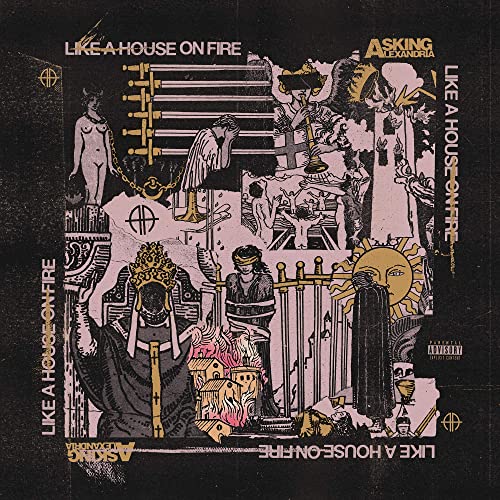
Asking Alexandria – Like a House on Fire

Yeah, I know. Who cares, right? But hey, with all the album cancellations in relation to COVID-19, I had to scrape the bottom of the barrel a little bit this month. So what is Asking Alexandria up to in the brand new decade? Well, nothing good. But also, not necessarily what you would expect. Like a House on Fire is an almost whiplash-inducing mix of two distinct musical directions. On the one hand, we get some pretty riff-heavy old school hard rock. On the other, very bland, generic millennial pop-rock, ripped straight from the Imagine Dragons playbook. The lead single, “The Violence” is literally the most blatant ripoff of “Believer” that you can possibly imagine. What’s frustrating is that going in a more electronic pop direction is something that Asking Alexandria could have potentially pulled off pretty well. I mean, if you put a gun to my head and told me I had to say one nice thing about this awful, worthless band, I’d say that they’ve always known how to incorporate electronics into their sound rather tastefully. But unfortunately, what we get here is entirely void of any semblance of originality. On the harder rocking side, we get some cuts that are admittedly more enjoyable, but still rely on tired clichés, and don’t bring anything new to the table. Not only do we see these two vastly different styles in conflict on the album as a whole, but also within almost every individual song. Throughout the runtime, we see the band relying on a structure of pop-centric verses, with heavy, anthemic choruses. I’ll admit this came off as slightly intriguing at the beginning of the album, but it didn’t take long for it to get stale. This album really doesn’t have much going for it, until you compare it to the rest of Asking Alexandria’s abysmal discography. Compared to the nearly unlistenable sound they became famous for, the hard rock side of this album really isn’t a bad look on the band. Hey, I think I can now safely call “Lorazepam” my favorite Asking Alexandria song. And while the worst moments of this album are forgettable and unoriginal, it’s nice to hear the band tone it down with the obnoxious (and somewhat toxic) pseudo-edgy attitude that has always plagued their songwriting, as well as the headache-inducing screaming. Like a House on Fire is an album that doesn’t know what it wants to be, and doesn’t have any original ideas to offer, but hey, by virtue of being halfway listenable, this is definitely one of the better Asking Alexandria albums to date.

Score: 2/5

Alestorm – Curse of the Crystal Coconut

Who would’ve guessed a pirate-themed folk metal band could garner so much attention in the metal world? Alestorm have been one of the most beloved bands the gimmicky side of the genre has to offer for over a decade. If I had to pinpoint what exactly it is that makes this band’s shtick so effective, I’d say it’s their commitment to it. While on the Viking side of things, you have Amon Amarth, a band that sets Viking-themed lyrics to fairly by-the-numbers death metal, Alestorm complement their absurdist pirate lyrics with sea chanty melodies, manly sailor vocals, and even violins and a keytar. In this way, Alestorm have developed not only a gimmick all their own, but a sound all their own (the fact that that they’re all excellent musicians certainly doesn’t hurt either). And Curse of the Crystal Coconut is, for better or worse, more of what we’ve come to expect. If this album has a fatal flaw, it lies in the lyrical quality. While Alestorm have never taken themselves seriously, their earlier releases featured very smart, tongue-in-cheek lyrical absurdity, whereas their most recent releases have been much more outright goofy. At this album’s dumbest moments, it feels almost as though Alestorm are slowly becoming Pirate Steel Panther. While this approach can work, and the album does certainly have its share of hilarious moments, this change has annoyed some longtime Alestorm fans. But even if moments on Curse of the Crystal Coconut such as the rap (yes, that really happened) or the extremely vulgar song about another pirate’s ship being inferior seem like a bit much, I think if any band can make it work, it’s a band like Alestorm, who have reveled in absurdism since their 2008 debut. In pure Alestorm fashion, this album is filled to the brim with violin-laden folk metal (and occasionally even a horn section), lyrics about fighting pirates, raiding ports, and drinking (lots and lots of drinking), not to mention an eight-minute epic about life with wooden appendages. That’s about as Alestorm as it gets. So what this amounts to is an album that isn’t exactly a game changer. If Alestorm isn’t your thing, this one won’t change your mind. If you’ve enjoyed their music up to this point, it will surely satisfy. But hey, even if Alestorm don’t deviate from their formula or reinvent the wheel (or the rudder), Curse of the Crystal Coconut is still a shipload of fun.

Score: 3.5/5
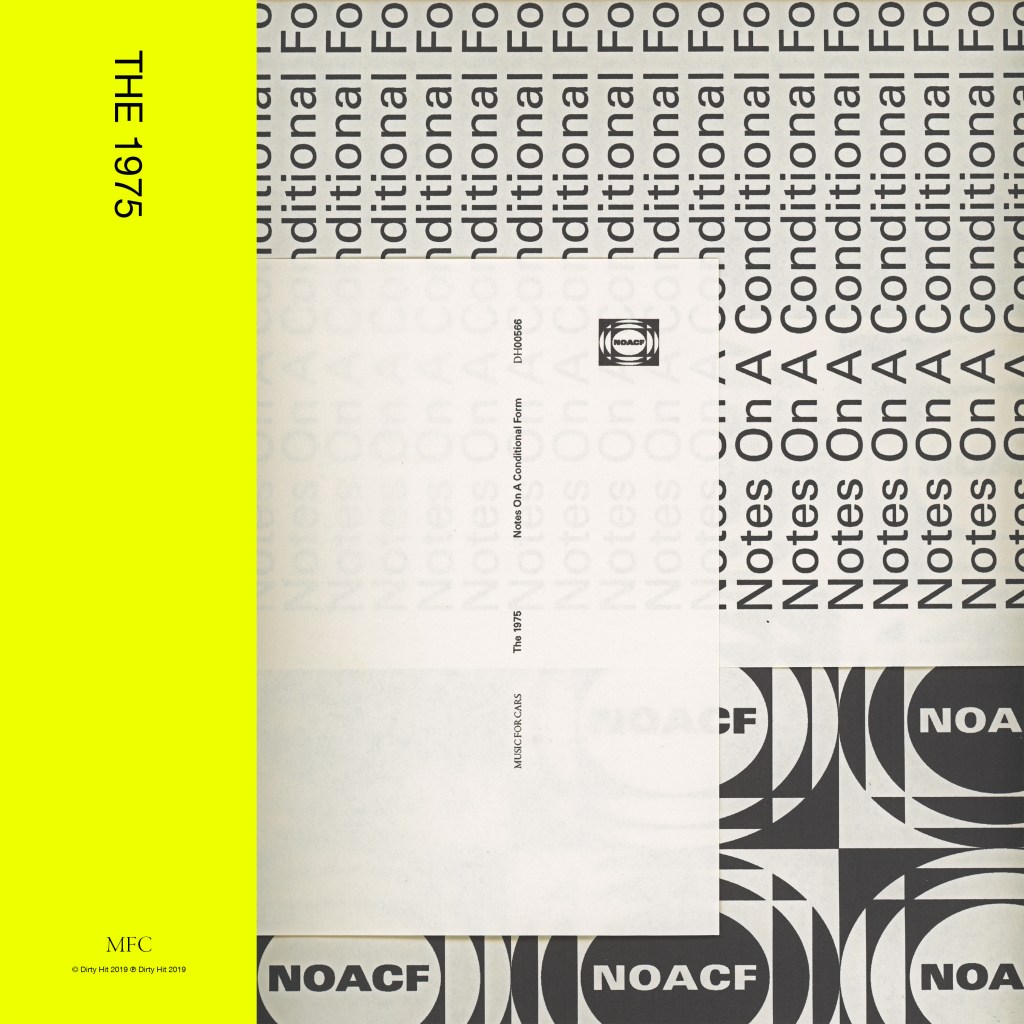
The 1975 – Notes on a Conditional Form Review

Hello, everyone. I hope you’re all staying safe and healthy during these uncertain times. Today, we’ll be looking at the highly anticipated fourth album from arguably the most successful indie rock band to emerge in the last decade. The 1975 exploded onto the scene with their instantly beloved self-titled debut album in 2013, and then cemented themselves as the Radiohead of the millennial generation with their sophomore record, I Like It When You Sleep, for You Are So Beautiful yet So Unaware of It. With their 2018 album, A Brief Inquiry into Online Relationships, the band took their sound in a more mainstream pop direction, alienating some fans, but drawing praise from others (personally, I wasn’t a fan of the album). So where do we find The 1975 in 2020, with Notes on a Conditional Form?

                  With this album, the band pretty much picks up right where they left off with A Brief Inquiry into Online Relationships. With few exceptions, we get more of the same bland, uninspired attempts to ride the success wave of millennial pop “rock.” If you’re like me, and the band’s previous release saw them imagining a few too many dragons for your taste, chances are you won’t like this one very much better. So is Notes on a Conditional Form just a rehashing of that album?

                  I wish.

                  For one thing, this album is extremely bloated, even for The 1975. And I know this opinion may not make me many friends, but I’ve never felt like this band’s albums, even the good ones, have justified their entire runtimes. So you can imagine how I reacted when I learned that this album contains 22 songs, and clocks in at an hour and 20 minutes. The only thing that could make this worse is if the album were chalked full of plodding piano ballads. And guess what? It is! So needless to say, this album absolutely drags. But before I get too deep into describing what a miserable experience the majority of this album is, let’s talk about those few exceptions I mentioned earlier.

                  The album’s lead single, “People,” is a raw, chaotic, garage rock tune, pulled straight from The Strokes’ playbook. As far as the songs on Notes on a Conditional Form go, this one is pretty fun, though maybe not the band’s most original offering. And between it being the lead single, and the second song on the tracklist, it paints a pretty misleading picture of just where the album is going. We also hear some upbeat, summery new wave love songs in “Then Because She Goes,” “Me & You Together Song,” and “If You’re Too Shy (Let Me Know).” The album is peppered with orchestral instruments, such as horns, strings, and saxophones throughout, but at no point are these instruments ever really brought to the forefront. With the exception of “People,” even the guitars, bass, and drums take a backseat to the keys and electronics for the most part.

The four songs I previously mentioned are all we really get to break up the down-tempo monotony of the other 18, most of which are forgettable at best. At worst, we hear The 1975 at their most gutless and manufactured on tracks such as “Nothing Revealed / Everything Denied” and “What Should I Say,” complete with all the vocal filtration and electronic instrumentals you could ever imagine. And as if the album weren’t already pointlessly long enough, we also get instrumental tracks such as “The End (Music for Cars),” “Streaming,” and “Having No Head,” which all just sound like a couple of people dicking around on a piano and a sound effects machine, and in the case of “Having No Head,” go on for way too long. We also get short, sporadic songs, such as “Yeah I Know,” and “Shiny Collarbone,” which may as well be instrumental tracks, as their vocal lines lack phrasing and melody, and their lyrics lack any sense of cohesion. Bottom line, much of this album’s colossal runtime is a complete waste of your time.

                  Lyrically, there really isn’t much to talk about here. Many of these songs simply consist of Matthew Healy graphically bragging about his sexcapades, thinly veiled as earnest love songs. Unfortunately, this issue is the most glaring in some of the more musically enjoyable moments I mentioned earlier. “People” is a notable exception, as Healy shouts of anger and political unrest, but ultimately offers no original observations, and comes off as rather vague. Seeing as this album opens with a five-minute speech from Greta Thunberg, one might hope for a more purposeful and topical record than the one we got. The most lyrically redeeming moments are the final two tracks, “Don’t Worry,” a beautiful song of affirmation to a loved one, and “Guys,” an endearing message of love to Healy’s bandmates. Although due to the lush, down-tempo nature of these songs, by the end of the album, the listener could be forgiven for missing them entirely.

                  So, it seems that The 1975 have created an hour and 20-minute album, solely for the purpose of making an hour and 20-minute album. With Notes on a Conditional Form, the band have achieved a new level of bloat, and frankly, a new level of wankery. The overblown delivery of this album truly makes it feel as though the band believe they have created their magnum opus. Unfortunately, if the band was trying to create something in the vein of The Beatles’ White Album or Pink Floyd’s The Wall, they failed miserably. If Pete Townshend, Dennis DeYoung, and Liam Gallagher teamed up, I don’t believe even they could create an album as far up its own ass as this one. Aside from a few decent tunes scattered throughout the record, Notes on a Conditional Form is nearly an hour and a half of your life that you’ll never get back.

Score: 2/10

Favorite Song(s): Guys

Least Favorite Song(s): Nothing Revealed / Everything Denied, Having No Head, Yeah I Know, Shiny Collarbone, Bagsy Not in Net

Design a site like this with WordPress.com
Get started