MINI-REVIEWS: April 2020

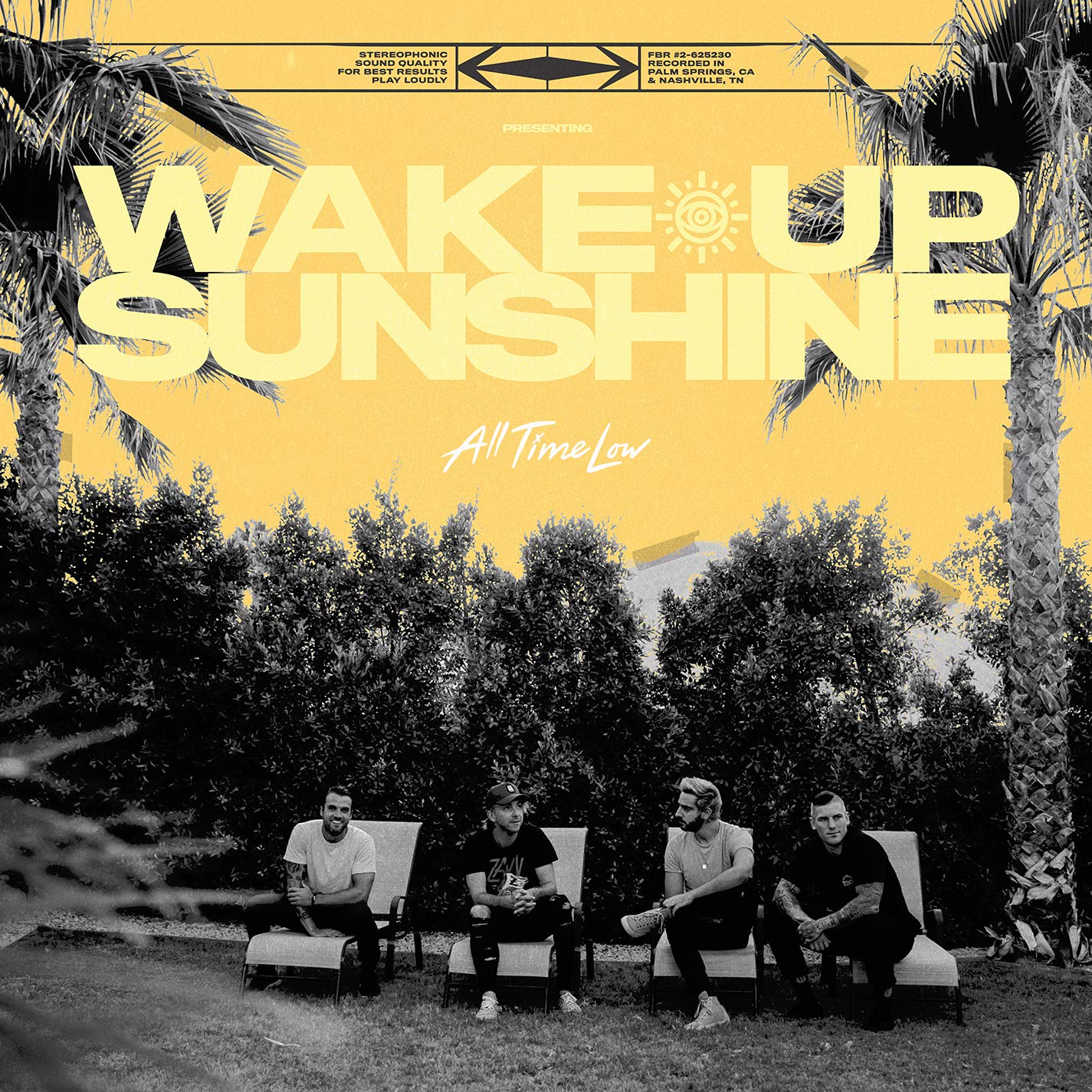
All Time Low – Wake Up, Sunshine

New All Time Low? In 2020? Let’s face it, the last several years have not been very kind to us, at least in terms of new releases from classic pop-punk artists, ATL included. But alas, my morbid curiosity got the best of me, and I decided to check this one out. So does Wake Up, Sunshine fall on the pop-punk purist side, refusing to mature, and relying on the nostalgic feelings of diehard fans? Or does it go way too far in the direction of modernization, like Fall Out Boy’s Mania? Well, what we actually get here seems to be the result of a conflict between these two directions. We get plenty of modern pop elements, such as chill, clean, single-note guitar work, laidback drums, and plenty of electronics, contrasted against big and cheesy, yet infectious pop-punk hooks, set against chunky, octave-chord guitars. In a way, this strange combination reminds me of the two most recent Blink-182 albums. And you know what? This album works in the same way that those albums worked. In an interview with Kerrang!, ATL frontman Alex Gaskarth asserted that Wake Up, Sunshine was the band’s best album to date. And while I can’t personally agree when Don’t Panic exists, I will say that this is some of the band’s most mature and accomplished work. Like Blink’s two most recent albums, this album is far from perfect. Some songs just don’t stick the landing, and some of the band’s attempts at adapting to millennial pop trends (such as an abysmal rap feature from blackbear) should have definitely been omitted entirely. But hey, this is still refreshingly solid work overall. Even if All Time Low is a tier 2 pop-punk band, Wake Up, Sunshine is far and away better than anything tier 1 bands such as Fall Out Boy and Panic! At The Disco have released in recent years. And you know what? It actually managed to surprise me. Well done, boys.

Score: 3.5/5

Joe Satriani – Shapeshifting

I know I don’t usually talk about instrumental shred albums here, as they simply don’t have the level of mass appeal that more traditional band-style albums usually come with. But hey, I’ve always felt that Satriani’s work stands out from the virtuoso herd in many ways, and if there’s one shred album that I think every rock fan should hear at least once in their life, it’s Surfing with the Alien. That classic record is a mesmerizing exercise not only in Satriani’s shredding ability, but also in his ear for composition and his impeccable sense of melody. With Satriani, you know what you’re gonna get. Masterful guitar playing and writing, sleek, clean production, excellent performances from the backing band, and a big, spacy, atmospheric overall sound. And that’s what we get here. Shapeshifting certainly doesn’t reinvent the wheel in relationship to Satriani’s many other albums, and as a result will not have nearly the staying power of a record like Surfing with the Alien, but the blend of influences from stadium rock, metal, blues, and even rockabilly, make this album good for a spin or two. Instrumental shred albums may only appeal to a specific niche of rock fans, but if you’re in that niche, make sure you don’t miss Shapeshifting.

Score: 3.5/5

The Black Dahlia Murder – Verminous
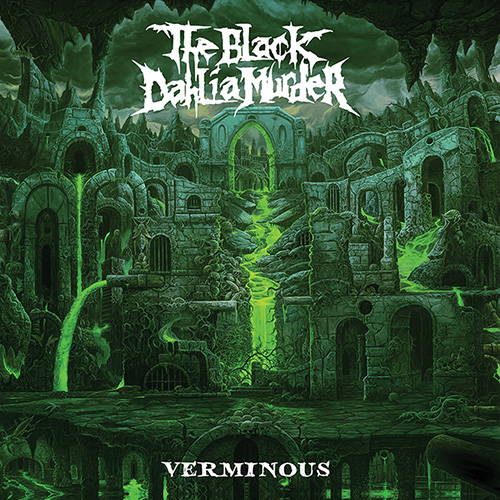
As much as I love to praise bands and artists that take risks and create something truly fresh, there is certainly something to be said for bands that can perform an old trick really REALLY well. Take these guys for example. The Black Dahlia Murder are one of the most consistent acts to come out of the metal scene in the 21st century. Incorporating performance and production stylings from the likes of Slayer, Mercyful Fate, and everything in between, The Black Dahlia Murder are a death metal band that aren’t afraid to look to the genre’s roots, and wear those influences on their sleeve. And coming off of 2017’s Nightbringers, one of their best albums to date, I had no reason to doubt that Verminous would be stellar. And ladies and gentlemen, it certainly delivered. Black Dahlia give us some of their heaviest, and most technically impressive music to date on this record. The drum work here is a constant state of blast-beat ecstasy, the guitar work is relentlessly face-melting, even entering epic, harmonious territory that almost seems to draw from power metal (even though this is only Brandon Ellis’s second album with the band, I still think I’m ready to call him my favorite Black Dahlia lead guitarist to date). And of course, Trevor Strnad sounds as brutal as ever on lead vocals. From a production standpoint, this is probably the cleanest I’ve ever heard Black Dahlia sound, but given the intricate soundscape and the sheer amount of things going on within the mix, it really works. Even if this album falls just shy of the songwriting prowess and sheer heaviness that created an instant metal classic like Nocturnal, The Black Dahlia Murder are exactly where they need to be in 2020 with Verminous.

Score: 4/5

AWOLNATION – Angel Miners & the Lightning Riders
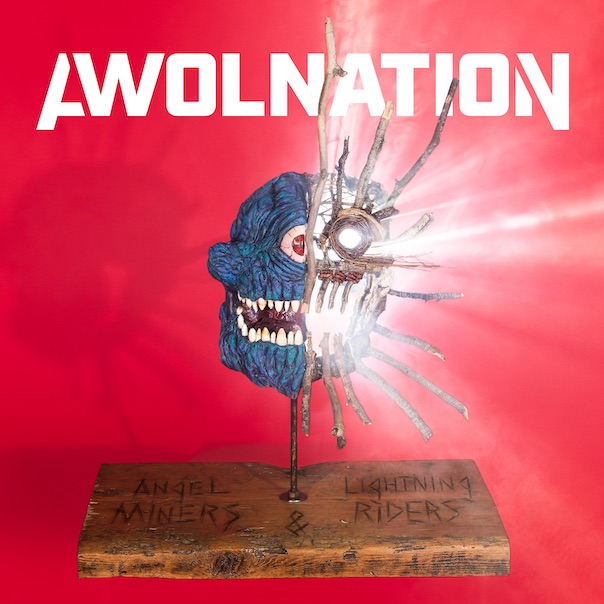
If you regularly tune in to your local alternative station, it’s quite possible that you only know this band for their hit song “Sail.” And while yes, this is an extremely annoying song, don’t let that turn you off entirely to the rest of their catalog of work. This is a band whose work is riddled with very interesting and promising ideas, even if they tend to get bogged down by overly bloated albums and songwriting that often falls just short of being truly memorable. But clocking in at a surprisingly compact 39 minutes, Angel Miners & the Lightning Riders shows AWOLNATION really trimming back the fat and delivering the goods. That’s not to say every single song is a winner, but here, the band sounds more focused than ever, delivering some of their catchiest material to date. Their sense of melody shines through on almost every track, leaving a more pleasant taste than their aforementioned biggest hit. Musically, this is the most experimental and adventurous outing we’ve heard from AWOLNATION to date, rife with unconventional song structures, and chaotic melody lines countering each other on different instruments. The effectiveness of these moments can be diminished by overwhelmingly loud electronics and clunky production (this record really could’ve used more dynamic range), and with the loud and thick lows and overly reverberated guitars, this thing can get a little muddy. Not a perfect album by any stretch, but a huge step in the right direction for AWOLNATION, and my favorite album from them thus far.

Score: 3.5/5
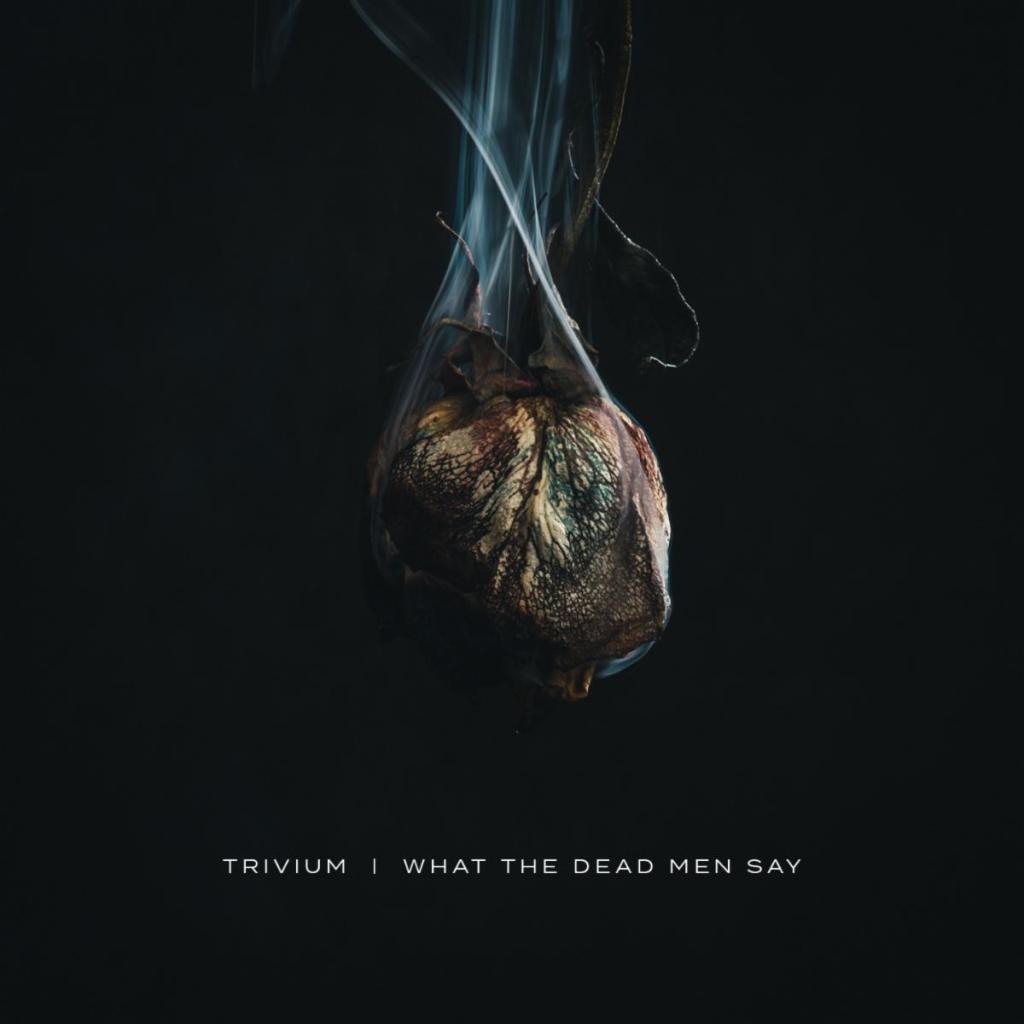
Trivium – What the Dead Men Say Review

                  Hello friends! I hope the social distancing is going well. I know these aren’t easy times we find ourselves in, but at least there’s been no shortage of new music to keep us entertained. Today, we’ll be looking at What the Dead Men Say, the latest offering from Trivium. This is a band that have certainly had their ups and downs over the years, but Matt Heafy and company have consistently been perhaps the most technically proficient and musically practiced band to come out of the metal scene in the 21st Century. Leading up to the release of What the Dead Men Say, members of Trivium have promoted the album as an epic culmination of everything the band have proven capable of over the years. I tend to take promises like this with a grain of salt, as it isn’t uncommon for artists to make such claims about their upcoming releases. It is, however, somewhat rare for these claims to be 100% substantiated by the music itself. So is What the Dead Men Say an album deserving of the expectation-heightening comments made by its creators?

                  Absolutely. This album truly delivers on the promises made by the band. With What the Dead Men Say, Trivium have created a retrospective sampling of their two-decade career, playing to their strengths, and showcasing everything that makes them great. The band’s technical ability, songwriting skills, and the blend of metalcore, thrash, and prog, which has always made up their unmistakable sound, are all front and center on this sleek, compact 46-minute outing. Despite being shorter than many of the band’s most acclaimed records, What the Dead Men Say is jam-packed with all the versatility one could want from Trivium.

                  Instrumentally, Trivium are firing on all cylinders with this record. From top to bottom, this album oozes with blistering, face-melting lead guitar work, complete with effortless-sounding sweep picking, massive harmonies of Iron Maiden-like proportions, and a sense of melody as present in the guitar work as in any of the vocal lines. All of this masterfully supported by tight, yet crushing rhythm guitar work. The bass tones are deliciously thick and mercilessly pounding, almost entering nu-metal territory (though luckily for us, Trivium never wander that path in any other regard). The drums are in a nearly constant state of rapid-fire, keeping this album’s most up-tempo moments as high-octane as you could ever want, and adding beautifully dramatic contrast in the moments where things slow up and break down. And of course, Matt Heafy’s vocal delivery is as powerful and emotive as it has ever been. Tracks such as “Catastrophist” and “The Defiant” showcase the high-level of virtuosic skill and musical chemistry between band members as well as any of their most beloved songs, while “Amongst the Shadows & the Stones” and “Sickness Unto You” display highly tasteful understanding of instrumental writing and pacing. As anyone who knows my taste may have guessed, the moments where Heafy’s vocal melodies enter metalcore territory tend to be my least favorite parts the album. But even on songs where this is the case, the instrumental abilities of the band are perhaps at their best, be it the chest-pounding bass work on “Bleed Into Me,” or the tasteful and melodic lead guitar work on “Scattering the Ashes.” Wrapping up the album, “The Ones We Leave Behind” goes over the top with the band’s flare for epic instrumentation, particularly in the area of guitar harmonies, drawing from power metal, and bearing some resemblance to DragonForce (except with playing that’s more believable).

                  Lyrically, this album doesn’t give us as much to talk about as it does in the music department. Overall, the writing here is really solid, but doesn’t deviate far from the beaten path of apocalyptic metalcore clichés. That’s not to say the writing isn’t genuine, as Heafy truly seems to use these themes as tools for very vulnerable and intimate introspection, even if done a little too safely. The closest moments we get to a break in this theme are “The Defiant,” a fairly vague anti-authoritarian rager about rebellion (still very much within cliché metalcore territory, but a fun fist-pumper nonetheless), and “Sickness Unto You,” a darker song that takes an ugly, graphic look at the experience of a loved one’s death. This is easily the lyrical highlight of the album. Cliché or not, the songwriting here is pretty good, and hey, if this album has taught us anything, it’s that old tricks can still be performed really well.

                  It’s not often that a band with two decades and eight albums under their belt are able to continue releasing music that stands up to their best. And yet, Trivium have proven that their peak isn’t behind them just yet. Does this album live up to the wall-to-wall perfection of Ascendancy? Or the epic, over-the-top ambition of Shogun? Perhaps not. But What the Dead Men Say brings plenty of its own unique strengths to the table, which are enough earn it a place in the conversation with these great albums. Even after only spending a weekend with this album, it is quickly becoming one of my favorites from Trivium.

Score: 9/10

Favorite Song(s): Amongst the Shadows & the Stones, Catastrophist, Sickness Unto You, The Defiant, The Ones We Leave Behind

Least Favorite Song(s): Bending the Arc to Fear

The Strokes – The New Abnormal Review

We’ve got a big one today, ladies and gentlemen. Indie rock titans The Strokes are back with The New Abnormal, their sixth studio album, and their first in seven years. Ever since The Strokes burst onto the scene with Is This It nearly 20 years ago, rock fans and critics alike have been in love with the band’s revivalist take on 60s and 70s garage rock. All things considered, The Strokes have had an extremely solid five album run. Even if First Impressions of Earth was slightly lackluster when compared to the other four, even that album was pretty good. So how does The New Abnormal measure up?

                  As one might have expected, The New Abnormal continues in the new wave direction the Strokes have explored on their previous two releases. Synths and keys are found front and center throughout, and contrast pretty well against the fuzzy, garage rock guitar work. Instrumentally, this album is as solid as we have come to expect from The Strokes. The synths and guitars constantly battle each other with catchy countermelodies, while the bass and drums faithfully thump on, keeping this album sonically true to the natural groove that the band has always used fully to their advantage. The Strokes worked with legendary producer Rick Rubin on this album, a personnel addition that one might think would leave a distinct sonic fingerprint on the finished product. But oddly enough, on the production side, The New Abnormal really just sounds like every other Strokes album. Don’t get me wrong, the raw, rough approach The Strokes have always taken to production has always complimented their style quite nicely, but it’s still strange how little having Rick Rubin’s name on the project seems to add.

                  So what about the songs? Well, this is where we encounter some of the major issues with The New Abnormal. When The Strokes debuted with Is This It, they won fans and critics over with their raw, raucous, old-school approach to writing great indie rock (and unfortunately, when your first showing is a 10/10 instant classic, the rest of your works to follow will forever be compared to it). With this album, we really don’t hear much of that at all. The vast majority of the album’s runtime is consumed by mid-tempo slowburners and a number of outright ballads. Most of these songs are fine, and even good on their own merits, but together, they add up to a listening experience that can really drag. This sensation is only amplified by the fact that the majority of these songs are over five minutes long, and really don’t need to be. On Is This It, there isn’t a single song that even hits the four-minute mark, and this shorter song format really worked for the band’s chaotic, sporadic style. On The New Abnormal, there are only two songs that clock in at under four minutes, “Selfless” and “Brooklyn Bridge To Chorus,” and these are the best two songs on the album. While these are pretty chill, mid-tempo songs, they at least have remnants of the band’s soul, good songwriting, and pleasing hooks. “Bad Decisions” is also a delightfully catchy tune, if only because the band can’t seem to decide whether to rip off “I Melt With You” by Modern English, or “Dancing With Myself” by Billy Idol.

                  While most of these songs are fairly neutral, and even passable, there are some real duds here. The worst offender is “Eternal Summer,” a gutless, generic regurgitation of every indie pop song from the past decade. It’s a moody summer tune, featuring obnoxious falsetto vocals from Julian Casablancas, and backed up by a painfully stiff attempt by the band at being funky. Like I said, instrumentally, this album is mostly really solid, but this song is unforgivable. I mean, what do The Strokes really have to gain from challenging the X Ambassadors for their “Lamest Talking Heads Impression” award? Almost equally frustrating is the opening track, “The Adults Are Talking.” We are sucked into the album with a soft but promising build up, immediately reminding of the band’s beloved hit “Reptilia.” Eventually the verse builds up to a lame chorus that is barely higher octane than the verse. And this really sets the stage for the rest of the album, which offers very little dynamic payoff. This song is also bogged down pretty severely by a stiff, and frankly uninterested vocal performance by Julian Casablancas, and lyrics that hint at being purposeful and politically charged, but then spin off in nonsensical, pseudo-meaningful directions of almost Oasis-like proportions. Apart from “Selfless,” which is a truly endearing love ballad, this is the closest the lyrics on this album come to making any sense.

                  At the beginning of this review, I stated that The Strokes didn’t have a bad album. So do I still feel that this is the case? Well, yes. Overall, this really wasn’t bad. But that being said, I really wish I liked it more than I do. There are definitely songs here that break out of the monotonous, mid-tempo sludge, but with few exceptions, even these songs don’t measure up to the band’s classics. And while these songs put together make for a pretty slow, even boring experience, I can at least say that a couple total throwaways aside, most of these songs are fairly enjoyable on their own. Overall not a bad batch of songs, but I must say that I expect better from The Strokes. I fully expect most critics to gush over this album, simply because it’s The Strokes, but I reserve the right to hold this band to a higher standard.

Score: 6/10

Favorite Song(s): Selfless, Brooklyn Bridge To Chorus, Bad Decisions

Least Favorite Song(s): Eternal Summer, The Adults Are Talking, At The Door

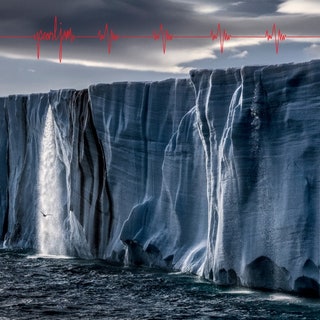
Pearl Jam – Gigaton Review

The final band standing of the big four grunge bands (unless you count the band that’s currently masquerading as Alice in Chains) is back with their 11th studio album, and their first in nearly seven years. Of the big four, Pearl Jam have been the most consistent in releasing new material, and for the majority of their career, have had an extremely steady lineup, with no position other than drums ever being refilled. That being said, they are also probably my least favorite of the four. Apart from being the least lyrically interesting and musically heavy of the bunch, the fact that they have so much music by comparison unfortunately left them room to get a little boring, whereas the other three have very solid top-to-bottom catalogues of work overall. That being said, I don’t dislike Pearl Jam at all, and still keep their early music in regular listening rotation. So what about this new record? Will Gigaton be enough to get bored fans to tune back in?

                  Well, from the release of the first single, “Dance of the Clairvoyants” it was clear that this album would be different for Pearl Jam. This song was quite a surprise for Pearl Jam fans, boasting startlingly clean production, synthesizers, tightly compressed electronic drums, and funk-inspired guitars and bass. Not a direction anybody would have expected from the flannel-clad 90s alt-rock icons, but that’s not to say they didn’t make it work. It definitely took me a few listens to really get into this one, but now, I can honestly call it one of the major stand out tracks from the album. As lead singles will do, “Dance of the Clairvoyants” gave Pearl Jam fans a very specific set of expectations for what was to come from the rest of Gigaton. So was this song an accurate representation of the album as a whole?

                  Honestly, not at all. While I’ve really grown to love “Dance of the Clairvoyants,” it is perhaps the biggest odd duck on the album. Fans who were confused or even turned off by this single can take a huge sigh of relief, because the rest of Gigaton is much more reminiscent of Pearl Jam’s classic, guitar-driven hard rock style. That being said, this isn’t entirely as pure a Pearl Jam grunge record as Ten or Vitalogy either. Even the hardest of rockers that Gigaton has to offer trade in the slow-treading sludge of early Pearl Jam for more upbeat raw power, drawing influence from everything from post-punk to Zeppelin. The album’s first two tracks, “Who Ever Said” and “Superblood Wolfmoon” come roaring in from zero to 100 in no time at all. Punishing basslines, drums that never let up, and Jimmy Page inspired guitars set a tone for the album which reoccurs more often than that of “Dance of the Clairvoyants.” This raw, raucous style makes up about half of the total runtime, and while none of the songs in this style deviate from each other in a major way, the unrelenting high energy is enough to keep listeners engaged.

                  We are also treated to several slower songs, making for an interesting contrast against the more high-energy side of Gigaton. And while a couple of these songs serve as highlights, this softer side of things is where a lot of the album’s problems come into view. There really aren’t any intolerable songs here, but the major problem is that nearly all of these slower songs are blocked together right at the end. When the album’s last upbeat rager ends, there are still four songs remaining, three of which are over five minutes long, and all of which can be classified as ballads. This more or less kills the momentum of the album. So while the first two thirds of this record race right along, the final third can really drag. The last two songs, “Retrograde,” and “River Cross” are two of the most beautiful and heartfelt tracks on the album, but it took me several listens to truly appreciate them, as the entirely forgettable and unjustifiably long acoustic ballad “Comes Then Goes” had already lost my attention before the final two tracks even arrived. While a handful of these slower songs struck me as bland and didn’t do a thing for me, perhaps I could have appreciated them more if some of the more upbeat songs could have been mixed in to break up the monotony. The one upside to these songs is the showcasing of Eddie Vedder’s vocals, which are truly as great today as they were in 1991.

                  Lyrically, Gigaton is more or less everything one might expect from Pearl Jam in 2020. Eddie Vedder certainly doesn’t mince words when it comes to his distain for the current state of affairs in the world. He seems particularly concerned with the climate crisis, referencing the rising ocean levels in several different places, most blatantly on “Retrograde” and even toying with the possibility of moving to Mars on “Quick Escape,” a song which also calls out the president by name. “River Cross” continues to lament the current state of the world, while also offering a glimmer of hope and optimism to close things out. Vedder’s lyricism on this record is as moving and impactful as it has ever been, even if his syllable flow can get a little clunky in places.

                  Gigaton can definitely be described as a mixed bag. But hey, a mixed bag is definitely more interesting than anything else Pearl Jam has released in the 21st Century. Vedder and company make a noticeable effort here to put out meaningful music and to prove to the world that they still have as much energy and passion as they have ever had. The record is far from perfect, and isn’t their best by a long shot. Sequencing issues work to the disadvantage of the top-to-bottom listening experience, and a handful of songs are just outright forgettable. But when Pearl Jam get it right here, the result is some of the best music they’ve given us in a very long time. And these moments far outweigh the low points.

Score: 7/10

Favorite Song(s): Superblood Wolfmoon, Quick Escape, Dance of the Clairvoyants, River Cross

Least Favorite Song(s): Comes Then Goes, Buckle Up

MINI-REVIEWS: March 2020

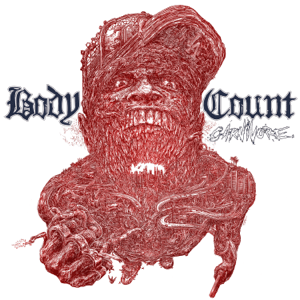
Body Count – Carnivore

Honestly, when it comes to rap-metal, Body Count has never exactly been a favorite of mine. They’re an extremely talented bunch, and I’ve always enjoyed certain songs, but overall, their sound has always struck me as a fairly simplistic and derivative fusion of the most generic and formulaic elements of both gangsta rap and thrash metal from the late 80s and early 90s. And even though that is more or less what we get here, I must say this really isn’t a bad batch of songs at all. The instrumentals are heavy-hitting, yet groovy, the lyrics are pointed and topical, and we hear some of Ernie C’s best guitar work to date. At 62 years of age, Ice-T could be forgiven for phoning it in, just for the sake of putting music out into the ether, but we really get all the passion and conviction we have come to expect from this band, one of their main redeeming qualities. Guest appearances from Riley Gale, Jamey Jasta, and Amy Lee keep things interesting, plus, we get a pretty faithful cover of “Ace of Spades” and a metal rendition of Ice-T’s classic “Colors.” At the end of the day, this is still a Body Count album. It’s derivative, it doesn’t even attempt to reinvent the wheel, but hey, it’s still fun, purposeful, and shows that this aging rap-metal outfit still has more energy and chutzpah than one might expect.

Score: 3.5/5

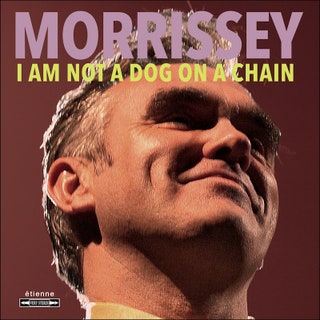
Morrissey – I Am Not a Dog on a Chain

Morrissey delivers an album that is up to his long established standard of excellence. The Smiths frontman’s versatility as a solo artist is on full display on I Am Not a Dog on a Chain. Musically, we are treated to a well-paced and balanced mix of classic Smiths-style alt rock, more modern electronic cuts, soft piano ballads, and even some songs that draw from funk and jazz. Instrumentally, the album is chalked full of features such as synths, horns, strings, and psychedelic organs. We hear a beautiful, soulfully performed vocal feature from Thelma Houston on “Bobby, Don’t You Think They Know?” as well as superb vocals from Morrissey from top to bottom (but perhaps that goes without saying). The hooks and melody lines are infectious and emotive, though maybe not quite as effective as on some of Morrissey’s classics. The weakest element here is the lyrical content. For the most part, we hear the same odd, quirky lyrical style that has always accentuated Morrissey’s larger than life style and personality, but on tracks such as “Jim Jim Falls” and “I Am Not a Dog on a Chain,” his notorious flare for controversy and distain for political correctness start to cross over into obnoxious self righteousness. But at this point, that can almost be expected, and this is overall outweighed by the positives. Morrissey is a highly accomplished artist, and one who frankly has achieved a level of rock immortality where he doesn’t need to try anymore. But nevertheless, I Am Not a Dog on a Chain is a highly enjoyable album that would be just as passable if released in Morrissey’s prime.

Score: 4/5

Nine Inch Nails – Ghosts V: Together

Let me just say right of the bat that putting out two surprise albums for fans to enjoy during these times of quarantine was a really cool move on Trent Reznor’s part. The two latest Ghosts installments continue in the dark, yet beautiful ambient stylings established by Ghosts I-IV. This time around, we have one album with a lighter, more hopeful sonic aura, and another that’s a little bit darker. So let’s start with Ghosts V: Together. Even as someone who doesn’t go out of my way to listen to very much ambient music, I must say that this album is nothing short of beautiful. Listeners are treated to over an hour of gorgeous, encapsulating piano-driven music, with hints of haunting dissonance that will take your imagination to a far away place. As with Ghosts I-IV, this album serves as something of a soundtrack for a movie that doesn’t exist. If you want some beautiful background music to calm you during these trying times, this album will surely do the job. That being said, this seems to be meant to function solely as background music. If you choose to sit down with this album and give it your undivided attention (as I had to do a couple of times to write this review), it won’t be the most interesting experience. Several of these compositions are extremely longwinded and repetitive, while the overall lush, atmospheric sound of the album never changes, and the tempo remains extremely slow throughout. At the end of the day, this is an ambient album, and certainly a well-executed one. Not necessarily something that will have much replay value for me, but if you’re the kind of person who regularly enjoys ambient music, give this one a try. There’s a lot to like about it.

Score: 3/5

Nine Inch Nails – Ghosts VI: Locusts

In contrast to the lush, subtle beauty of Ghosts V: Together, Ghosts VI: Locusts is an extremely dark, unsettling record. Like Ghost V, this one is driven primarily by piano and ambient synths, but here, the haunting dissonance is dialed up to 11. I’m not exaggerating when I say that this album would give Opeth’s Mikael Åkerfeldt nightmares. Also an entirely instrumental album, Locusts is significantly better paced than Together, keeping the listener completely engrossed and unnerved from top to bottom. While Together is most functional as relaxing background music, there is nothing relaxing about Locusts. Unaware of the theme and contrast between these albums, I sat down with Locusts for the first time while I was alone at night. That was a mistake. As with every installment of Ghosts thus far, this album resembles a soundtrack for a movie that was never made. However, no movie could be as affecting as the feelings and images invoked by this music in the imagination of the listener. Locusts is not an easy listen, but it’s a gripping ride that will certainly make you feel something.

Score: 4/5

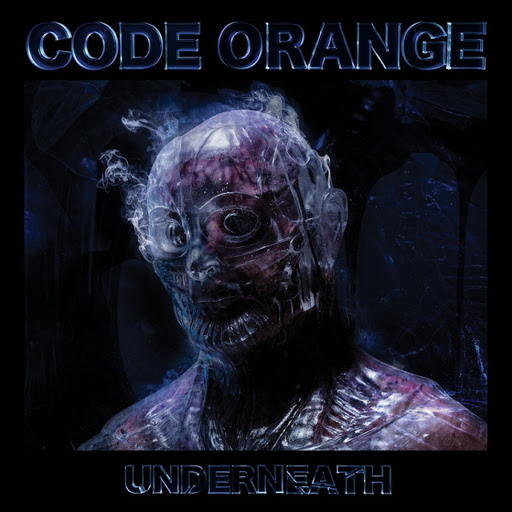
Code Orange – Underneath Review

Ladies and gentlemen, the fourth studio album from Code Orange is here! A staple band of the underground hardcore scene, Code Orange first caught my attention with their third studio album, Forever in 2017. After two short albums of brief, sporadic blasts of hardcore punk insanity, the band stepped up their songwriting prowess with Forever, delivering more soundly structured songs with memorable hooks, and even the occasional softer, melodic passage. With this new album, I initially predicted that the band would move further in this more ironed out, sonically diverse direction, as artists will often do as they grow. So what do we get from Underneath?

                  Well, my prediction was correct. Underneath is the most structurally consistent, yet sonically diverse album we’ve heard from Code Orange to date. Once content to create mosh pit background noise, Code Orange have now fully embraced their more melodic side, while also managing to keep this album as heavy and hard-hitting as their longtime fans have come to expect from them. The album’s three singles, “Underneath,” “Swallowing the Rabbit Whole,” and “Sulfur Surrounding” suck you into the world of this album, forcefully grabbing ahold of you with pounding riffage and rhythm sections, while also staying in your head long after they’re over, with melodies that are nothing short of mesmerizing.

                  While Underneath is the most developed and complete sounding version of the Code Orange formula to date, I’d be selling this album short if I left it at that. Perhaps the major element that sets this album apart from the band’s first three works is the presence of electronic elements. And while this can be an extremely risky move for a heavier rock band to take (looking at you, Korn), Code Orange have managed to expand and diversify their sonic palette in the best way, by incorporating elements of 90s industrial rock. It’s easy to hear some of these songs and think of Nine Inch Nails, and while I have no doubt that NIN’s music was an influence on the band during the making of this project, they manage to stay fresh and original, always sounding like Code Orange, and never like a cover band of any sort. Tracks such as “Underneath” and “Who I Am” utilize these elements as aggressively as the pounding guitars that the band is known for, keeping the album beautifully heavy, while mixing up the sonic character. Early on, we hear tracks such as “Swallowing the Rabbit Whole” and “In Fear,” which are more traditional, guitar-driven ragers, but are peppered with electronic elements, which add to the overall chaotic character of the songs in a way that creates an all-out assault on the listener. It may be a bit abrasive at first, but once you sink into the groove of this album, you’ll never want it to end.

                  The album is further diversified by more straightforward hard rockers, featuring vocals that are more melodic and less guttural. This is about as light as it gets on the album, but it at least provides some relief from the intensity in a way that keeps the album unexpected and interesting. Most notably, “Sulfur Surrounding” exchanges pounding drop-tuned power chords for clean, gently picked guitar work that is almost reminiscent of Pyromania-era Def Leppard, and even some impressive, but tasteful lead work. “Who I Am,” “A Sliver,” and “Underneath,” are also among the songs that feature the subtlest and most melodic writing from Code Orange to date.

On top of everything I’ve already said, Underneath is one of the most well-produced rock albums I’ve heard in a very long time, and that alone stands as one of its strongest selling points. Last year, when I reviewed Slipknot’s We Are Not Your Kind, I praised it for creating a sonic atmosphere that fully immersed the listener into the world of the songs they were listening to. With Underneath, we have yet another album that fits that bill quite nicely. The whirlwind of sounds that make up the sonic character of Underneath are mixed, equalized, and panned so masterfully, that as the band attacks you from all sides with their vocal and instrumental performances, you can still hear every cog in the machine turning, and feel every guitar chug, every drum hit, and every vocal growl as if it is punching you in the stomach. The songs flow seamlessly, one into the other, making for a listening experience that more than meets the standard that prog bands such as Pink Floyd and Yes set in the 1970s. Words truly can’t fully describe what an incredible listening experience Code Orange have created with this record.

Lyrically, Underneath seems to contain a running theme of feeling trapped, buried, even crushed by the weight of the ugliness in the world. “Swallowing the Rabbit Whole” and “Underneath” bookend the album with summations of this theme, while “Cold.Metal.Place” presents it in a very literal sense. In many places, this theme lends itself to thoughtful social commentary. “Sulfur Surrounding” encapsulates the feelings brought on by toxic people and relationships. “Last Ones Left” could be construed as an allusion to police brutality and abuse of power. “Autumn and Carbine” contains nods to environmentalism. “A Sliver” takes punches at corporatism, organized religion, and tyranny of every sort. This array of lyrical content only reinforces the breathtaking power that already lies within this music.

It’s not often that I write a full review of an album without making any criticisms, even minor ones. But every once in awhile, an album comes out that truly achieves everything it set out to do, and doesn’t leave me wanting. With Underneath, Code Orange have done just that. This album isn’t the easiest listen, and it’s certainly a sonically abrasive one. It will assault you from all sides, throw you to the ground, and utterly consume you. But most of all, it’ll demand that you return for another listen. Code Orange certainly isn’t for everybody, but if you’re at all on board with what they do, Underneath is a ride worth taking. And this is coming from someone who was only a casual fan, up until this point. I know it’s probably way too early to name this my album of the year, but if something else manages to top it, I will be truly surprised.

Score: 10/10

Favorite Song(s): Underneath, Who I Am, Autumn and Carbine, Swallowing the Rabbit Whole, Last Ones Left

Least Favorite Song(s): Erasure Scan

MINI-REVIEWS: February 2020

Sepultura – Quadra

This album was actually a really nice surprise. Ever since Max Cavalera was replaced by Derrick Green on lead vocals in the late 90s, Sepultura have more or less been consistently releasing serviceable groove metal, but never anything worth writing home about. Don’t get me wrong, Green is a more than capable vocalist, but musically, this band has spent the last two decades skating by on name recognition, based on a legacy built by a handful of great thrash albums from the 80s and 90s. With all that in mind, I certainly didn’t expect this album to be as solid as it is. This thing is chalked full of thick, pounding riffage, virtuosic musical ability from all members, and some of the best writing we’ve heard from Sepultura in a very long time. Some critics are going so far as to say that this album measures up to the band’s classic works. I personally wouldn’t go that far, mainly because I don’t feel like there are enough unique sounds and ideas presented on this album to justify a runtime of over 50 minutes. Is Sepultura a one-trick pony? Maybe. But in its best moments, Quadra is the best exercise of Sepultura’s one trick that we’ve heard in a long time.

Score: 3.5/5

Stone Temple Pilots – Perdida

Going into this album, I can’t say I had much enthusiasm. Honestly, following Scott Weiland’s departure from the band, and eventually his tragic death, I completely lost interest in Stone Temple Pilots. A select few bands can pull the Van Hagar thing off well, but with Weiland being such an integral part of this band sonically and creatively, post-Weiland STP is just kind of a non-starter for me. That being said, when I heard that their eighth studio album would be an acoustic album, I reluctantly decided to give it a shot. Bands from the early 90s alternative/grunge scene have always translated pretty well into an acoustic setting (after all, Nirvana’s MTV Unplugged in New York is one of the greatest live albums of all time). So hey, this new STP album may be worth a spin or two, right? Eh. The change of pace didn’t do much to help me get into the swing of this record, and in some ways, it even works to the album’s disadvantage. None of these songs on their own are offensively bad, but they all have a very similar chill, stripped down makeup, and when put together, these songs ultimately blur together and plod along. Slide guitar, a string section, and even some tasty flute work serve as musical highlights, but fail to cover up the fact that Stone Temple Pilots are half the band they used to be.

Score: 2/5

Tame Impala – The Slow Rush

Look, I may be in the minority here, but I have yet to truly be wowed by Tame Impala. Don’t get me wrong, I like them, and I’ve had generally positive experiences with their music, but particularly on their first record, and even somewhat on their second, I found them far too derivative of pretty much every psych rock band from the 1960s. Out of the neo-psychedelic indie rock bands to pop up in the last decade, I’ve always thought King Gizzard & The Lizard Wizard were much more creative and original in their take on the genre, whereas Tame Impala more or less just rehash old ideas for the sake of nostalgia (while somehow winning the favor of the same snobs who now turn their noses up at Greta Van Fleet). That being said, while many people were less than enthusiastic about the more pop-centric approach to songwriting the band took on their previous album, Currents, I actually thought this album was a really nice change of pace, and a big step towards finding their own voice. However, with this new record, I was afraid that they would take their newfound pop sound a step too far, as many bands do. And that’s pretty much what happened. While Currents was a surprisingly effective blend of Tame Impala’s psych rock roots and their interest in millennial pop, The Slow Rush is a pop record through and through. The melodies and electronic integration are pretty hit-or-miss, and the misses are almost intolerable. The fuzzy, atmospheric characteristics of their earlier works are replaced with a more upbeat, funky approach, making the bass work one of the main musical highlights here. And hey, I’ll admit that rock bands can go in a more pop direction and achieve good results, but this just ain’t it. Perhaps the most unforgivable strike against this album is how alike all these songs sound. We get nearly an hour of funky, poppy, yet instrumentally busy musical compositions, backing up Kevin Parker’s comically over-reverberated John Lennon impression on vocals. Everything blends together into one big uniform blob, making this album’s length completely unjustifiable (that seems to be a theme this month). While Tame Impala’s early work could be overly derivative of early psychedelic rock, this album simply sounds like every other indie pop album to come out in the last decade. So there’s really no need to bother with The Slow Rush. It’s nothing you haven’t heard a million times in your hipster friend’s car.

Score: 1.5/5

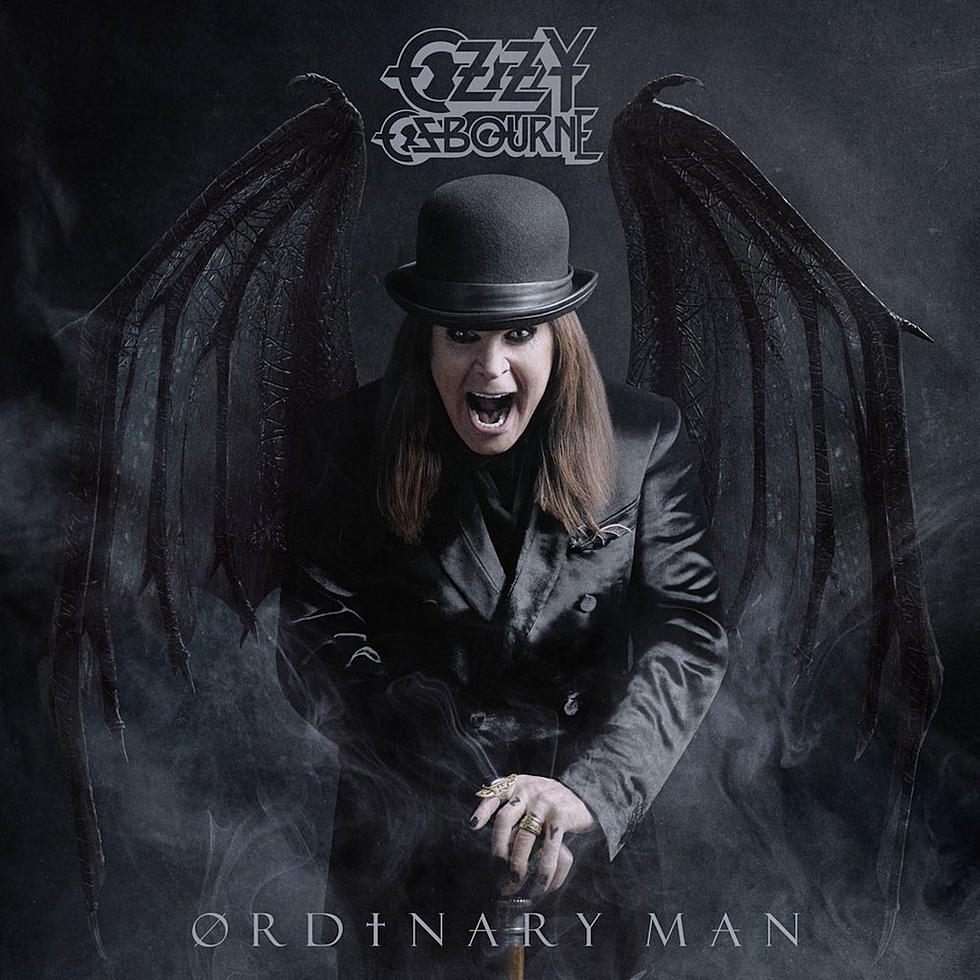
Ozzy Osbourne – Ordinary Man

I think it’s safe to say that Ozzy Osbourne is on his last leg. The past couple years for the prince of darkness have been marked by numerous health issues and tour date cancellations, with his recent Parkinson’s diagnosis being the latest tragic news to come from the Ozzy camp. All that being said, I can’t say this was an album I had high expectations for. But against all odds, I actually have to say that Ordinary Man is probably the best rock album to come out this month. Listening to the lyrics, there is a sense that Osbourne knows that his life as a performer is drawing to a close. You can hear his heart in these lyrics, some of which are absolutely tear-jerking, as he delivers what truly seems to be his swansong. And with the help of names such as Duff McKagan, Chad Smith, Slash, Charlie Puth, Elton John, Tom Morello, and Post Malone, Ozzy delivers the most epic farewell album we could’ve ever asked of him. Is this Ozzy’s best album? Not by a long shot. But it’s his best in a very long time, and we even get some songs that stand among his best. With writing and performances this good, the only major stumbling point is in the area of production. For this project, Osbourne elected to work with producer Andrew Watt, whose writing and production resumé consists mostly of modern pop and hip hop releases. Because of this, we get a very clean sound, where even the most aggressive guitar and drum moments sound almost pillowy, while clean guitar and keyboard tones are over-compressed and sterile. Also the pitch correction on Osbourne’s voice can be over-the-top at times. Not exactly the raw, crunchy sound you might hear on an album such as Diary of a Madman (though in fairness, most modern metal albums don’t sound like that either). This minor hiccup aside, I’m glad Osbourne is still able to make good music that doesn’t sound dated, and if this is his last album, it’s a good note to go out on. Whatever decisions Osbourne makes about the future of his musical career, I salute him for his contributions to rock and metal, and wish him a happy and restful remainder of his life.

Score: 4/5

READER REQUEST: Faith No More – The Real Thing Review

Hello, and welcome to another reader requested review! Today, we’ll be looking at Faith No More’s 1989 classic, The Real Thing. This album represents a very pivotal period early on in Faith No More’s legacy. Their third release, The Real Thing came following a pair of underground alt-metal albums, which showed that the band had potential, but ultimately failed to produce any major hits, or even any particularly memorable songs. But with The Real Thing, Faith No More exploded onto the rock scene with an album that is now revered as a classic, and is held up by the critical world as essential alt-rock listening. So what is it about this album that finally made Faith No More click with rock and metal audiences?

                  Perhaps the most immediately noticable difference between the band’s earliest work and The Real Thing is the change in lead singer. The Real Thing is the first Faith No More album to feature Mike Patton on lead vocals. While Chuck Mosley delivered serviceable vocal performances on the band’s first two records, it was Patton’s distinct and expressive vocal style and delivery that would give Faith No More’s songs a life that they didn’t quite have on the early records. Admittedly, Patton’s voice can be an acquired taste, but it suits the band’s music flawlessly.

                  We also see major improvement in the department of songwriting on The Real Thing. Here, Faith No More keep their unmistakable groovy, bass-heavy sound intact, while writing songs, lyrics, and melodies which are much more developed and memorable than anything the band had done before. We get infectious, alt-rock classics such as “Epic” and “Falling to Pieces,” as well as heavy, intense thrashers such as “Surprise! You’re Dead!” and “The Real Thing.” This particular song, as well as the soft and haunting “Zombie Eaters,” delve into longer, somewhat prog-influenced compositional styles. At the close of the album, we get the biggest black sheep, a swinging slow jazz tune entitled “Edge of the World,” whose piano parts are one of the instrumental highlights of the album. We even get a cover of Black Sabbath’s “War Pigs,” one of my favorite songs of all time. And while Faith No More doesn’t exactly reinvent the wheel with this cover, they deliver a faithful reimagining of the original, which I certainly won’t complain about.

                  As I said earlier, Faith No More don’t deviate much from their established style here, but they do exponentially improve upon it. Billy Gould’s thunderous, aggressive bass lines are as infectious and singable as any of the vocal melodies on this album. The guitars are layered thickly, and at times chaotically, working with the bass to create a dense, meaty soundscape. Even on softer moments, the drums never let up, keeping this album rhythmically energetic from start to finish. We consistently hear keys and a string section throughout. While these such elements usually only appear sporadically in heavier music, they are an ever-present element in the sound palette of The Real Thing, another of the many aspects of this album which distinguish it from other hard rock and metal releases from the late 80s (keep in mind, when this came out, the rock scene was ruled by hair metal, and major label executives were certain that Warrant was going to be the next big thing. Thank God they were wrong). It’s for these reasons that The Real Thing was so ahead of its time. Someone unfamiliar with Faith No More might listen to this album, hear the thumpy bass work, the vocal stylings and melodies, and the cheesy rap-singing, and think of bands such as Red Hot Chili Peppers, Rage Against the Machine, Primus, Korn, System of a Down, Limp Bizkit, and other bands that wouldn’t rise to prominence until the 90s and early 2000s. Even though some of these bands would arguably go on to do it even better, Faith No More’s proto-nu-metal approach to writing and playing would predict, and even inspire, much of what was to come in the worlds of alternative and heavy music, while standing out entirely from what was coming out of the rock world in the late 80s.

                  The Real Thing is a significant milestone, not only in Faith No More’s discography, but in the greater timeline of alternative rock and metal. In an unintentionally symbolic move, Faith No More released one of the last great rock albums of the 1980s, which sounded like nothing that had come before it, and forecasted much of what was to come from rock music in the 90s. While this was an early exercise of a multitude of styles and sounds that would be refined and improved upon by a number of bands (arguably including Faith No More themselves), it was a very unique and daring experiment for its time, and it still holds up extremely well today. The Real Thing is a rock classic in every sense, and is essential listening for any fan of alternative music.

Score: 9/10

Favorite Song(s): Epic, Falling to Pieces, War Pigs, The Real Thing, Edge of the World

Least Favorite Song(s): The Morning After

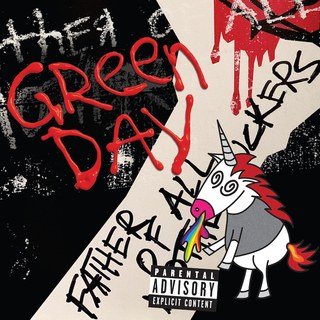
Green Day – Father of All… Review

Well dear reader, the day that had Green Day fans worldwide biting their nails is upon us. Father of All Motherfuckers (we’ll call it by its abbreviated name from here on out) is here. The rollout for this album has been pretty strange, to say the least. The world was first introduced to the concept of Father of All… when frontman Billie Joe Armstrong shared the hideous album art on Instagram, accompanied by an incoherent rant about how Green Day was going to give rock music its edge back, or something like that. Following shortly after, we heard the first single, “Father of All…,” which confused fans, to say the least. It was a raw, raging, garage rock tune with plenty of earworm potential, but it barely sounded like Green Day. And the over-the-top filtering on Armstrong’s weird falsetto vocals certainly didn’t help. While I didn’t initially hate this song the way many did, I got sick of it pretty quickly after the band completely beat it to death with every single public appearance they made. Before the album released, we got two more singles, the entirely forgettable “Fire, Ready, Aim,” and the weird but infectious “Oh Yeah!” (my personal favorite of the three). This first sampling of music made many Green Day fans, including myself, nervous about this release. I know not every Green Day album has been a masterpiece, but I can honestly say I don’t think they’ve ever made a BAD album. So would Father of All… be the first real blemish on the face of Green Day’s discography?

                  Everybody can take a deep sigh of relief, because this album is actually pretty good. I was expecting it to be mediocre at best, but I can honestly say that the first singles are not a fair representation of the album Green Day ended up giving us. Even though the weird, raw, garage rock style is consistently present throughout the duration of the album, the writing and performance of many of these songs are unmistakably classic Green Day, something that I think is more than welcome after the set of singles we got. The best examples are “Sugar Youth,” an anthem to the party life, complete with Green Day’s classic power chording structure, and Armstrong’s infectious hook writing, and “Graffitia,” a fist-pumping, populist anthem that could be straight off of 21st Century Breakdown, and my favorite Green Day song from the last decade.

                  As I mentioned earlier, “Oh Yeah!” is my favorite of the first three singles to come from Father of All… It’s an intense, chest pounding anthem that’s impossible to sit still through. It samples a segment of “Do You Wanna Touch Me” by Joan Jett & The Blackhearts, which is a cover of a song by rock legend and convicted child molester Gary Glitter. Understandably, this was met with some backlash, prompting the band to donate the royalties from the song’s sales to International Justice Mission and Rape, Abuse & Incest National Network, which was a really cool move on their part.

                  Another favorite of mine is “Stab You in the Heart,” an upbeat, 12 bar blues smash, which lifts its main guitar riff, and overall song structure, from ¡Dos!’s “Fuck Time.” I’ll let this slide, because this song does it better in every imaginable way, and also, most Green Day fans have likely purged their memories of that drivel anyway. While we’re on the topic of ¡Dos!, “Meet Me On The Roof” bears some resemblance to “Stray Heart,” both in its infectious one-two swing beat, and its endearing, quirky love story. In many ways, this is the Green Day garage rock album that ¡Dos! should’ve been.

The biggest weak spot of this album is the lyrics. Apart from the aforementioned lyrical contents of “Graffitia” and “Meet Me on the Roof,” this album is pretty mindless and juvenile. And while nothing on here achieves ¡Uno! levels of cringe, “I Was a Teenage Teenager” and “Junkies on a High” certainly don’t represent the most thoughtful writing to come from this band. Overall though, this is forgivable on a garage rock album where the band is clearly just trying to have some fun. Apart from this, we also have some pretty glaring production issues. For the playing style the band went for on this album, the production is far too clean. They seem to try to dirty up the sound with really ugly fuzzed out guitar tones. And while these overall are creative choices that I didn’t happen to care for, objectively speaking, Armstrong’s vocals sit unacceptably low in the mix.

Father of All… is far from a perfect album, but it’s also far from being the mess that everybody thought it would be. After spending two decades constantly trying to outdo themselves, Green Day threw everybody for a loop with an album that seems to exists for the sole purpose of goofing off and having some fun. And it honestly worked. In recent years, Green Day have failed to excite me more often than not. From releasing ¡Uno!, ¡Dos!, and ¡Tre! when they simply didn’t have enough worthwhile material to fill three whole albums, to overcorrecting and playing it too safe with Revolution Radio, it’s clear that Green Day had hit a peak that they just couldn’t top. So perhaps, the logical next step was to quit trying to outdo themselves and just have some fun, while still being unique and experimenting. And that’s exactly what they’ve done here. Father of All… isn’t without its flaws, but this is the most I’ve enjoyed a Green Day album since 21st Century Breakdown.

Score: 7/10

Favorite Song(s): Graffitia, Sugar Youth, Oh Yeah!, Stab You in the Heart

Least Favorite Song(s): Fire, Ready, Aim; Junkies on a High

MINI-REVIEWS: January 2020

Anti-Flag – 20/20 Vision

Everything you would expect from Anti-Flag in 2020. They don’t mince words in discussing how they feel about the current state of politics in the U.S. (not that they ever have). Musically raw, and lyrically pointed, this is a pure and simple Anti-Flag album. And due to the abundance of subject matter they had to work with, this is a good one for sure. As Anti-Flag grow, their sound becomes more melodic and palatable, but their philosophical conviction never wavers. On 20/20 Vision, we see Anti-Flag unafraid to dabble in balladry, and expand their sonic palette with piano, strings, and slide guitar. What all this amounts to is essentially one of the best Anti-Flag albums to date.

Score: 4/5

Pinegrove – Marigold

Pinegrove definitely took a more mainstream accessible approach with this one. The band’s fourth studio album boasts very crisp, clean production, more traditional song structures, and exceptionally sweet melodies. Having been a pretty big fan of Skylight, I initially wasn’t sure what to think about this approach, but upon a couple listens, I found this album pretty enjoyable. Marigold is as chill, pleasant, and musically interesting as Pinegrove has ever been, while featuring higher production value and a more honed in sense of melody. The biggest hiccup here is the closing track, an instrumental piece that doesn’t really go anywhere. It feels like the opening to a song we never hear the rest of, and it certainly has no business being six minutes long. Apart from this track, there really aren’t any skips. Great release overall, up to Pinegrove’s established standards, while showing growth and evolution within the band.

Score: 4/5

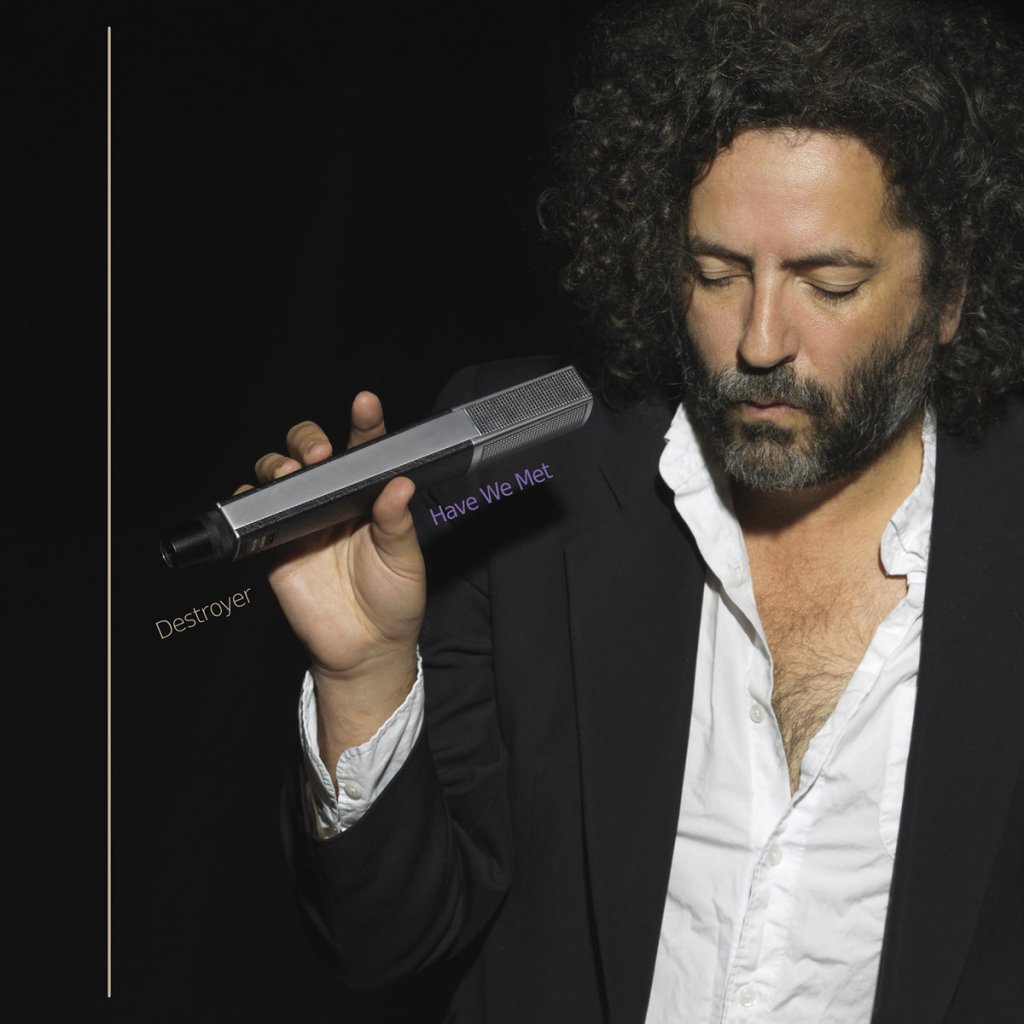
Destroyer – Have We Met

It’s hard to go into a Destroyer album without expecting excellence. And what can I say? Have We Met delivers. This time around, we hear Destroyer rely much more heavily on synthesizers, electronic sounds, and clean, precise performance and production, a stark contrast from the more jam-oriented approach the band has traditionally employed on their most popular records. And while this doesn’t seem like a change of pace I would be crazy about, I have to say this is some of the best music I’ve heard from Destroyer. The synth-heavy sound is utilized to give the album a lush, atmospheric sonic character, and is peppered top to bottom with clean, blues-inspired lead guitar work. All of this compliments Dan Bejar’s unmistakable Bowie-inspired crooning, and accentuates the beauty and introspection of his lyrics. Fans of Destroyer’s jazzy, chaotic sound may be taken aback by the cleaner, softer approach to writing and production, but Have We Met certainly stands as a unique and accomplished record in Destroyer’s ever-growing discography.

Score: 4.5/5

Theory of a Deadman – Say Nothing

Oh come on! This has been such a good month for rock. But I suppose all good things must eventually come to an end. Yes, ladies and gentlemen, Theory of a Deadman is apparently still a thing. And while I was sure they were just going to make the exact same album for the seventh time, I must say that the overall style is the one area where this album actually surprised me. They actually brought their bland, generic approach to vanilla rock into the new decade with an album that sounds somewhere between Twenty One Pilots and Imagine Dragons. Now I’m not sure if going from butt rock to millennial pop is a step up or down, but either way, in true Theory tradition, this album isn’t good at all. I guess I’ll give them credit for actually trying something different for once (and dialing it down with the misogyny), but Say Nothing is every bit as gutless and generic as anything this band has ever given us. Only this time, we get the added cringe factor of occasional rapping, a bro country song, and lame attempts at referencing internet culture throughout. Lyrically, the band sound slightly more mature here than they did in the 2000s, but not all that much more original. The band make a noticeable effort to age into the new decade, but they do it poorly nonetheless.

Score: 1/5

Design a site like this with WordPress.com
Get started