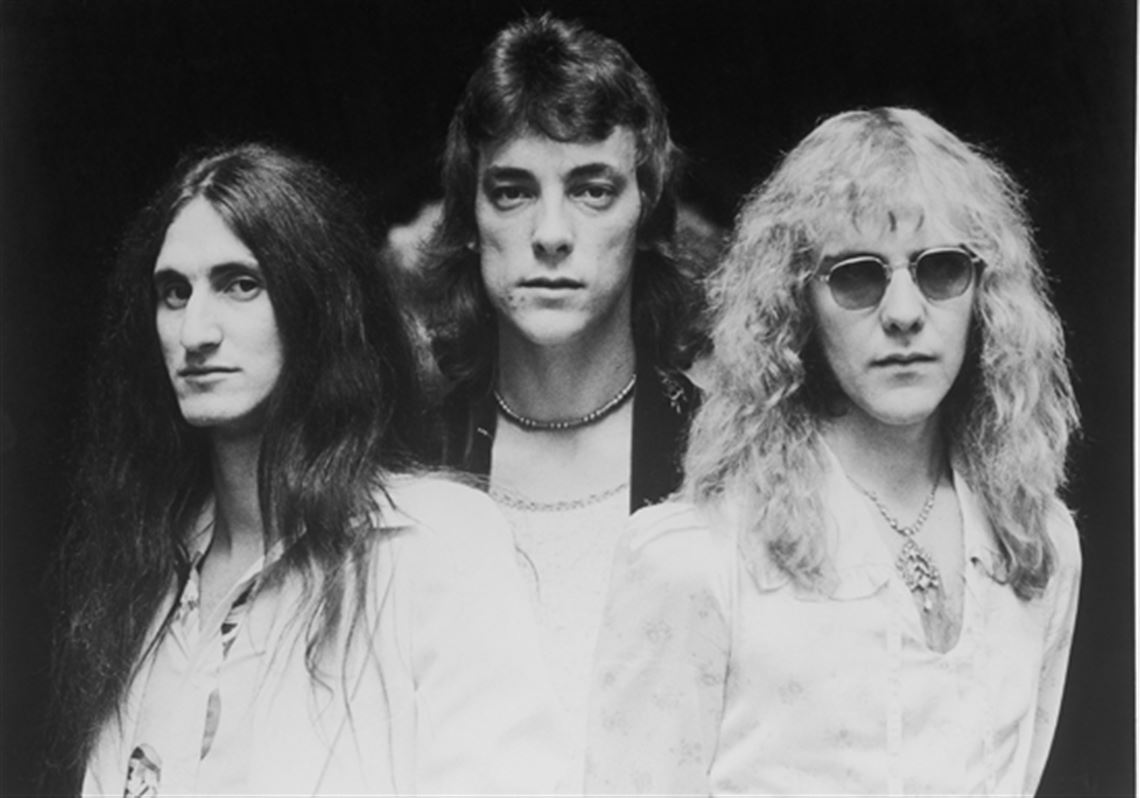
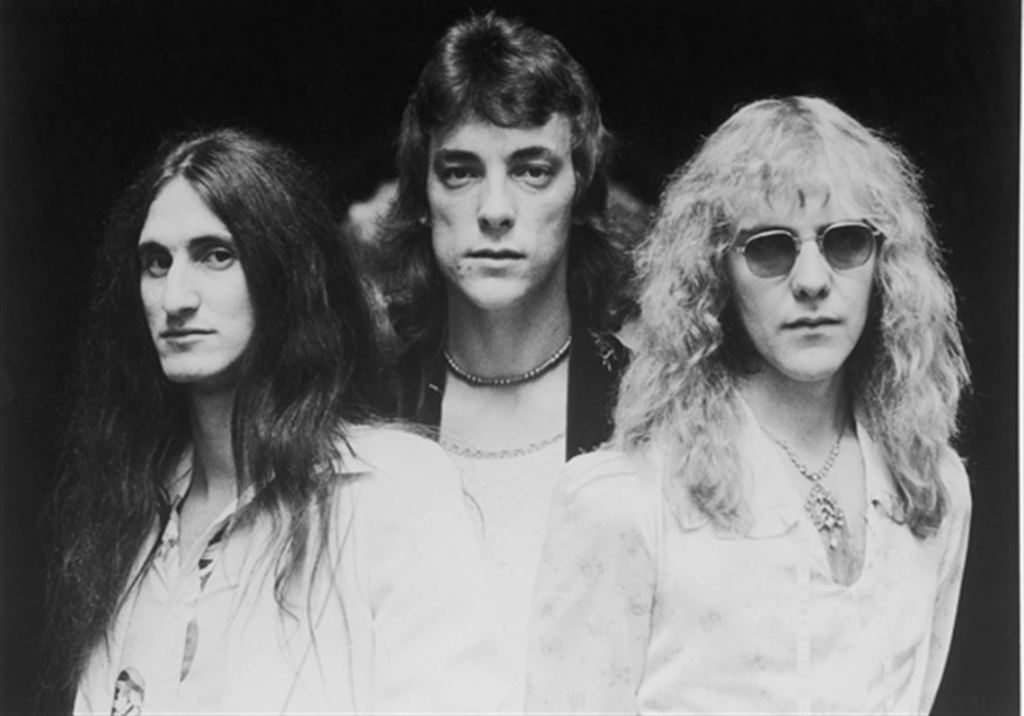
Hey everybody! As many of you know, the news came about a week ago that Rush drummer Neil Peart had passed away. Rush is my favorite band of all time, and I felt that the best way for me to commemorate Neil would be to discuss his body of work in the best way I know. So today, I will be ranking the albums of Rush from worst to best. Bear in mind that there really are no bad Rush albums, but nevertheless, some are certainly better than others. So let’s just get started:
19. Rush (1974)
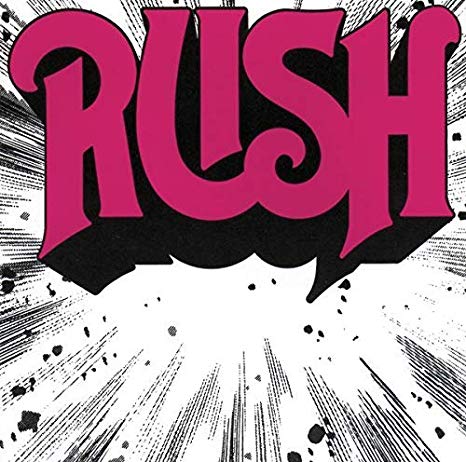
Yes, believe it or not, Rush’s classic self-titled debut comes in at the bottom for me. Why? Well, the easy answer is, no Neil Peart. In all seriousness, Peart really was behind much of what made Rush such a remarkable musical force for their 40-year career, and listening back to this album, the absence of Peart’s creative brilliance isn’t exactly subtle. John Rutsey was certainly a solid drummer in his own right, but let’s face it, he was no Neil Peart. And drumming aside, Peart’s knack for conceptual, fantastical writing would play a major role in setting Rush apart from other hard rock outfits in the 1970s. But before Peart came along? Yeah, Rush was basically a cheap Zeppelin rip off. In fairness, as far as cheap Zep rip offs go, Rush’s early music was serviceable, but they certainly weren’t reinventing the wheel, as they would go on to do in the coming years. And Geddy and Alex’s songwriting could be pretty hit-or-miss on this album. While “What You’re Doing,” “Before and After,” and of course “Working Man” are genuinely pretty solid hard rock tunes, it is painfully obvious that tracks such as “Need Some Love” and “In the Mood” were written when the band were very young. Rush wasn’t a bad debut album overall, but without the addition of Neil Peart, I don’t believe Rush would have ever had the success or longevity that they have achieved.
18. Test for Echo (1996)
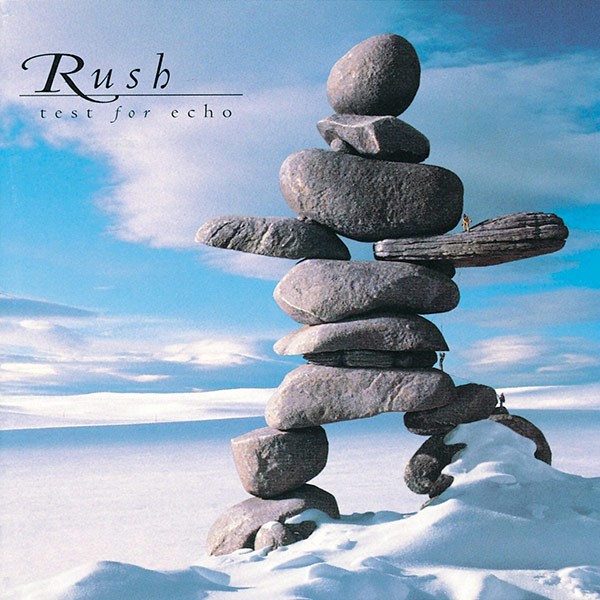
Throughout their career, Rush have gone through many changes in their sound and approach. They began with a generic 70s hard rock album, then released a string of prog albums throughout the 70s, began the 80s with a pair of more mainstream rock albums, released a number of synth-laden new wave albums for the remainder of the 80s, a couple more experimental albums in the 90s, and then three heavier, “return-to-form” albums in the 21st century. However, their 1996 release Test for Echo doesn’t seem to fit into any of these categories. While most of Rush’s releases feel stylistically intentional and purposeful, on Test for Echo, the band just seems kind of lost. This is one of the few instances in Rush’s career, where I struggle to describe what is sonically unique about this album, because there really isn’t much there. It still certainly sounds like a Rush album, but honestly, that’s it. It has heavier moments, that sound similar to their previous release, Counterparts, and more electronic moments, harkening back to the band’s 80s sound, but there’s not much in terms of sound and style for Test for Echo to call its own. “Driven” and “Resist” stand out as highlights, and a couple of the best songs the band has ever written, but there’s little else that’s truly memorable about this album.
17. Presto (1989)
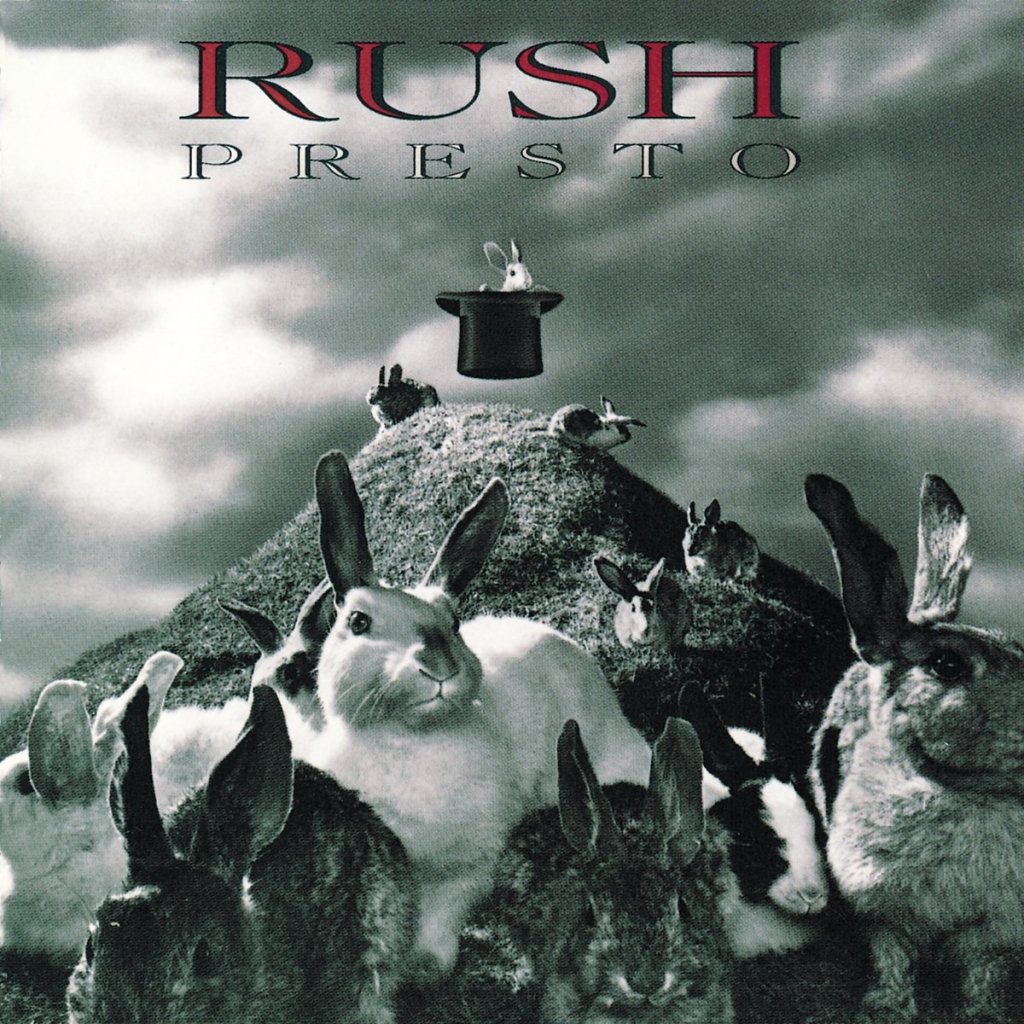
Here, we have the only other album in Rush’s discography that is somewhat lacking in individuality. Like Test for Echo, there’s really not much to be said about the sonic character of Presto, other than that it is, in fact, a Rush album. The main reason that I ultimately selected to rank this one above Test for Echo is that while on Test for Echo, the bandfeels lost, on Presto, the band seems to be in more of a transitional place. Having just put the bow on their synth rock phase, the band seem to be trying to figure out where to go next with Presto. That being said, we don’t really get an answer until the following album, hence why Presto is still ranked pretty low. But apart from seeming slightly more purposeful than Test for Echo, we also have tracks such as “The Pass,” “Presto,” and “Superconductor,” making Presto worth a repeat listen every now and again.
16. Hold Your Fire (1987)
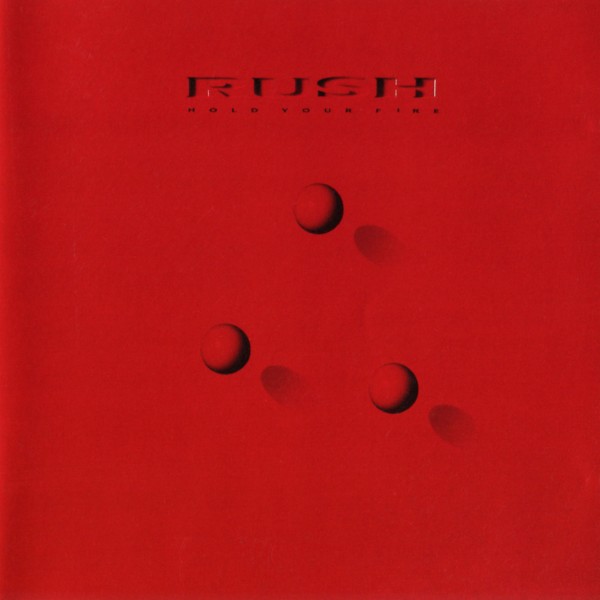
It was actually really hard to put Hold Your Fire this low on the list, as there truly is a lot to like about it. It’s hard to describe, but Hold Your Fire has a very distinct sound. The synths are layered very thickly, and with very bright tones, giving this album a very grand and majestic overall sonic character. Like with every other album from Rush’s synth era, Alex Lifeson favors inverted chords, extremely bright tones, and lots and lots of reverb, and in the case of Hold Your Fire, this tends to complement Geddy Lee’s keyboard work quite well. This sound consistently carries throughout the album, which leads us to its major downfall…every song sounds pretty similar. That being said, there aren’t any bad songs to speak of, and “Force Ten,” “Time Stand Still,” and “Tai Shan” stand among my all time favorite Rush songs. But the rest of the songs on Hold Your Fire tend to blend together. Any time a song from this album shows up on shuffle or a playlist, I usually enjoy it. But put them all together, and you have a pretty uniform blob of epic, majestic synth rock.
15. Signals (1982)
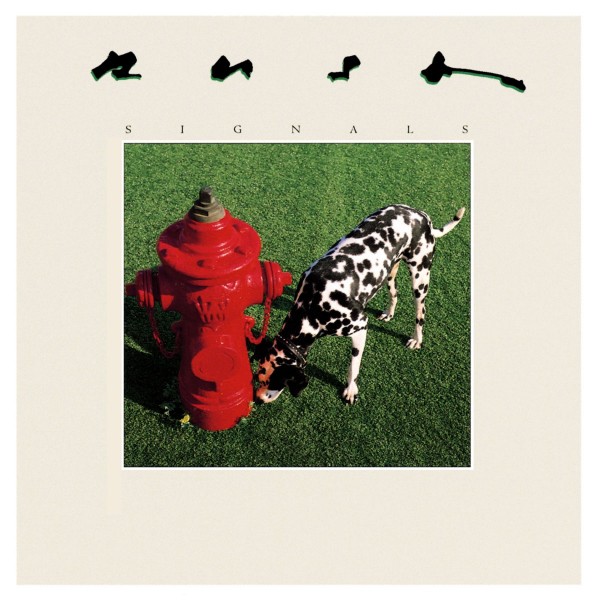
Okay okay, stop booing and let me explain myself. While many consider Signals to be the best album from Rush’s synth era, I’ve always found it to be somewhat underdeveloped by comparison. While the next three albums displayed flawless production, and a seamless fusion of Geddy Lee’s synth work, Alex Lifeson’s guitar playing, and Neil Peart’s dabbling with electric drums, Signals is at times plagued with what seems to be a battle between Lee’s and Peart’s desires to try their hand at new wave, and Lifeson’s preference for heavier, guitar-driven music. Overall, this is still a really solid album, stacked top-to-bottom with classics, such as “Subdivisions,” “The Analog Kid,” “The Weapon,” and my personal favorite, “New World Man,” and the fact that I’m singing this much praise for an album this low on the list is really a testament to how great this band really is. But at the end of the day, I don’t feel that the band truly mastered the synth-driven version of their sound until the following album.
14. Snakes and Arrows (2007)
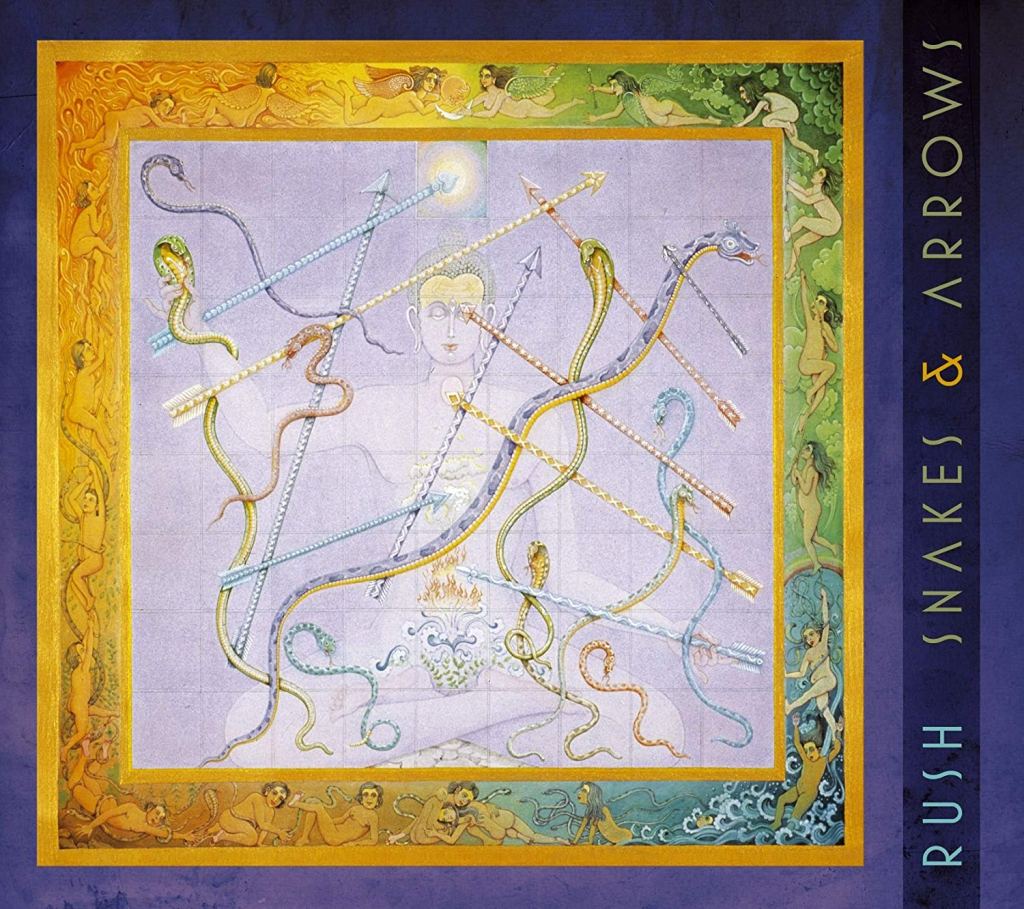
For being a band that took off in the mid 1970s, it truly is remarkable that Rush continued to make good music well into the early 21st century. Think about it. How many bands from the 70s have released any worthwhile music in the last couple of decades? While Snakes and Arrows is certainly nowhere near being a top-tier Rush album, it’s certainly worth your time. “Far Cry” and “Working Them Angels” are in the same weight class as some of the band’s classic works, with the former serving as a regular in the band’s live shows from the release of Snakes and Arrows to the band’s final tour. This album is seriously chalked full of great moments. The album’s greatest downfall is its abundance of instrumental tracks, most of which don’t live up to the standard set by the likes of “La Villa Strangiato” and “YYZ,” and a handful of otherwise forgettable filler tracks. But all that aside, it’s still impressive that the band was able to write music this solid so late in their career, and there are even better examples still to come.
13. Counterparts (1993)

Ah, the early 1990s. One of the most drastically pivotal times in the history of rock music. The new decade meant the death of new wave, glam rock, thrash metal, and almost everything that the “rock” label represented in the 1980s, all at the hands of a raw, heavy, sludgy new genre by the name of grunge. As Nirvana, Pearl Jam, and Soundgarden took over the world of rock radio, other bands did what they felt was necessary to stay relevant in the new era. What resulted was a trend of hard rock and metal bands crossing over and attempting to write grunge. Some bands did this well. Others, not so much (NEVER AGAIN, METALLICA. NEVER AGAIN). On paper, Rush, in all their weird, nerdy, prog glory, should have failed the most spectacularly at making grunge music. But oddly enough, Counterparts is one of the better grunge crossover albums to come out of this time period. While other bands dove head first into grunge, earning them the “sellout” stamp from purist fans, Rush managed to keep everything that makes them Rush intact, while drawing influence from the popular bands of the time. One of the highlights of the album, “Stick it Out” is a heavy, riffy, Soundgarden-style romp that manages to keep the unmistakable Rush groove at the center of it. Other highlights such as “Animate” and the heart string-tugging “Nobody’s Hero” make this an interesting and highly enjoyable stylistic experiment from Rush.
12. Power Windows (1985)
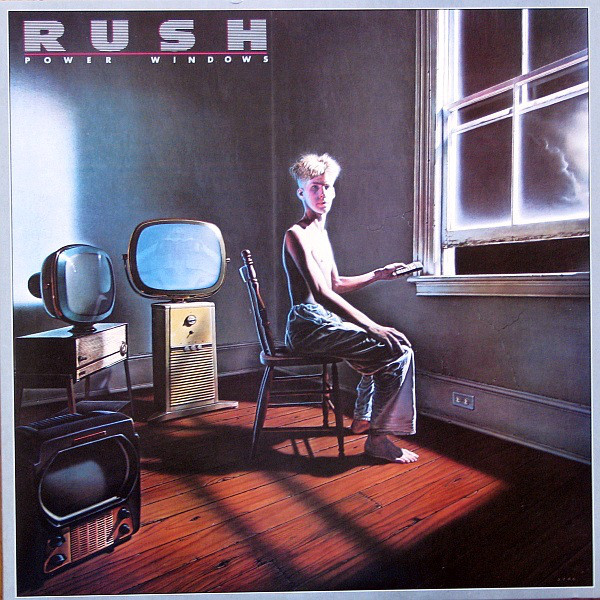
Remember when I said that the handful of albums following Signals were better developed? Well, I present to you exhibit A: Power Windows. Two albums after Signals, I think it’s safe to say that Rush had the new wave thing down. Power Windows is sleek, well-produced and performed, and overall features slightly better songwriting than Signals, in my opinion. Nearly every song here is a winner, and songs such as “The Big Money,” “Grand Designs,” “Mystic Rhythms,” and “Marathon” are beloved staples of the synth era, with “Marathon” being one of my all time favorite Rush songs. With Power Windows being this consistently good, it’s hard to believe that it falls just short of being the best album from the synth era, but more on that shortly.
11. Roll the Bones (1991)
That’s right, purists and elitists. I took this, the album you loathe, the album you see in your nightmares, and I put it almost half way up the list. Why? Because Rush can do whatever they want, that’s why. Sure, they never seemed like a likely candidate to do a pop rock album, but dammit if they didn’t do it really REALLY well. When an unconventional band like Rush dabbles in pop sensibilities, it’s easy for the snobs to cry “sellout.” But “Roll the Bones” is unlike any pop rock that had ever been made before, or has been made since. Songs like “Dreamline” and “Bravado” manage to be fun and infectious without sacrificing the technical proficiency and smart lyricism that has always made Rush a prog favorite. I even love the title track, rap and all. The pop approach to this album, and particularly this song, are done in a very tongue-in-cheek manner, which unfortunately flew over many heads. If you’re one of the many people who just hates the song “Roll the Bones” with a fiery passion, chances are I won’t change your mind, but what I can do is implore you not to sleep on the rest of the album.
10. Vapor Trails (2002)
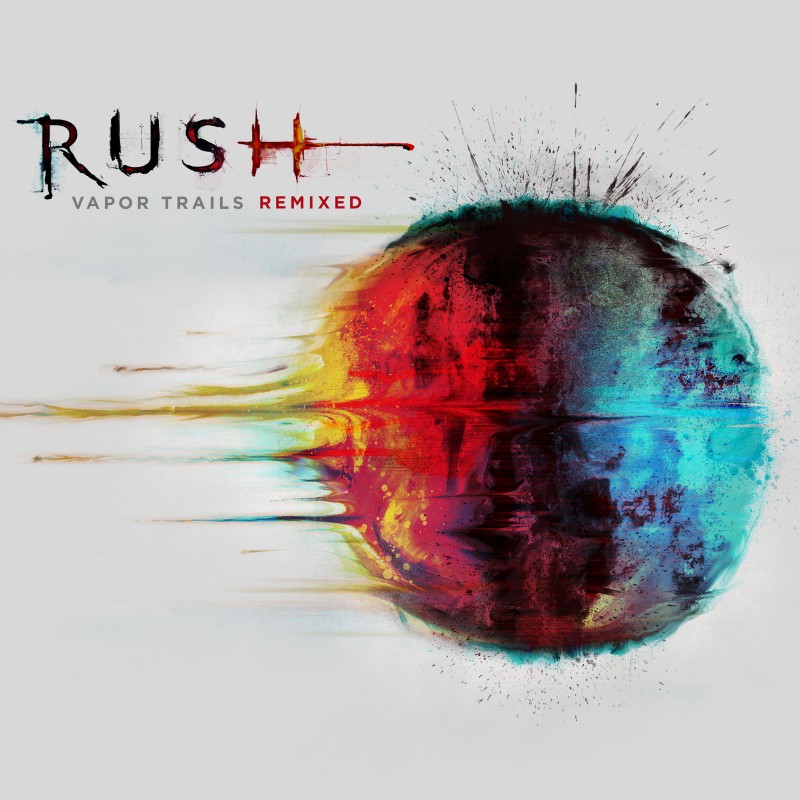
Once again, Rush really had no business making music this good so late in their career. But hey, I sure won’t complain. Kicking off the top ten, we have Vapor Trails, something of a comeback album, following the band’s first and only hiatus, which came about in the wake of a series of extreme tragedies in the life of Neil Peart. After some time spent travelling and healing, Peart returned to the studio with his bandmates, and they cranked out the best batch of songs they had written in a very long time. It took Vapor Trails some time to catch on as a favorite, mostly because of the production. The original release of the album came in the midst of a period in music known as the “loudness wars,” where producers and mixing engineers took an approach to music, specifically rock, that involved overusing compression to make records as loud as possible, and crushing any subtlety and dynamic range. As a result, the original mix of Vapor Trails is nearly unlistenable, and literally headache-inducing. And the fact that it is the longest album in Rush’s discography certainly didn’t help. Thankfully, in 2013, the band released a remixed version, which breathed new life into this album. While “Earthshine,” “One Little Victory,” and “Sweet Miracle” have always been favorites of mine, hearing them remixed has given me a whole new appreciation for them, as well as the rest of the album. When these songs aren’t being completely smashed, wall-of-sound style, you can truly hear the subtler, intricate instrumental elements beneath the crushing power chords, and it adds an entire layer of complexity to the music. I have always thought the songwriting on this album was stellar, but hearing the remixed version definitely bumped Vapor Trails up a few spots for me. If you initially dismissed this album because it sounded awful, I urge you to give the remixed version a try. If you haven’t heard this album at all…I don’t say this often, but don’t even bother with the original. The remixed version is all you need.
9. Clockwork Angels (2012)

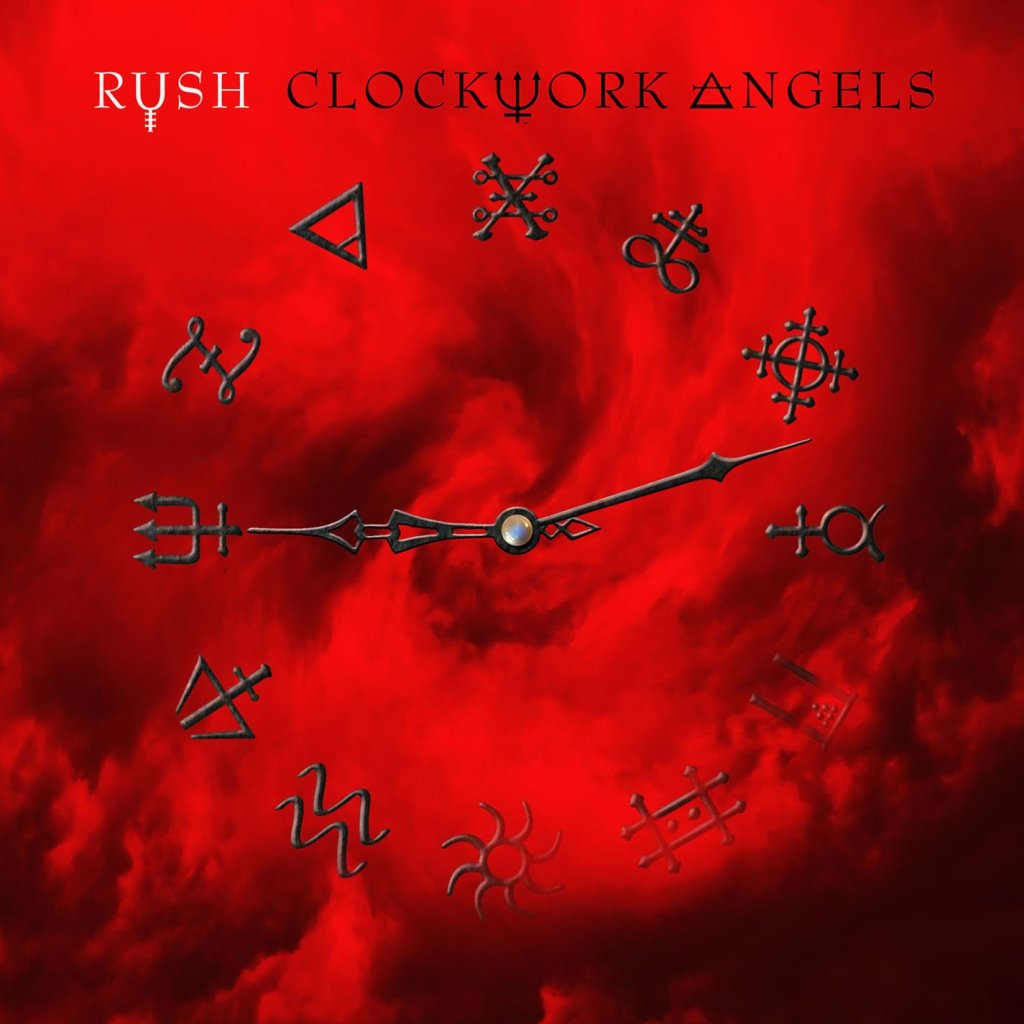
As if I needed yet another example of Rush’s late music being ridiculously good. Here, we have the final album from Rush, and this thing is seriously better than some of their classics. As I’ve said, at a certain point, most older bands don’t put in this kind of effort, or release music that would’ve been up to their standards in the 70s and 80s. But with Clockwork Angels, Rush actually gave us the heaviest album of their career. Even though they would go on to tour for several more years, it’s very possible that they knew this would be their last album, and went in extra hard for it. But either way, the conceptual writing and heavy, proggy instrumentals haven’t been at the forefront of Rush’s work to this extent since Hemispheres. Songs like “Caravan,” “The Anarchist,” and “The Wreckers” are easily the best they’ve written in my lifetime, and I don’t think they could’ve possibly concluded their discography with a better song than “The Garden.” Again, who knows Rush knew this would be their last album when they were writing it, but we truly couldn’t have asked for a better sendoff than Clockwork Angels.
8. Grace Under Pressure (1984)
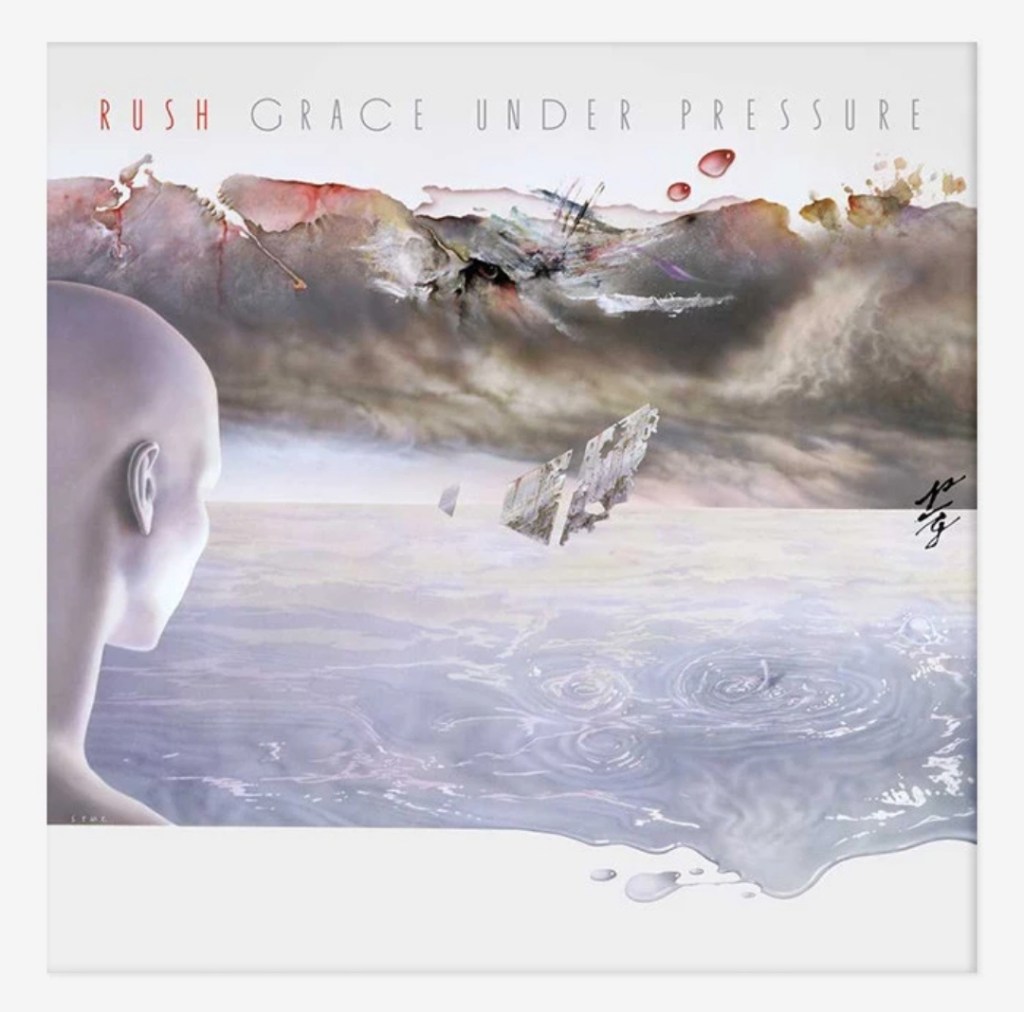
And here, we have what is easily my favorite album from Rush’s synth era. After the band seemed to struggle to ease their way into this sound with Signals, Grace Under Pressure saw them dive in head first to the synth-laden new wave sound that would define most of the 80s for Rush (much to Alex Lifeson’s chagrin, but oh well, we like it even if he doesn’t). And it paid off. As far as Rush’s post-Moving Pictures releases, this one is easily my favorite top-to-bottom listen. With tracks such as “Distant Early Warning,” “Afterimage,” and “Red Lenses,” being among the songs that first got me into Rush, and “Red Sector A” being one of my all time favorite Rush songs, Grace Under Pressure was one of my earliest favorite Rush albums when I first became a fan.
7. Fly by Night (1975)
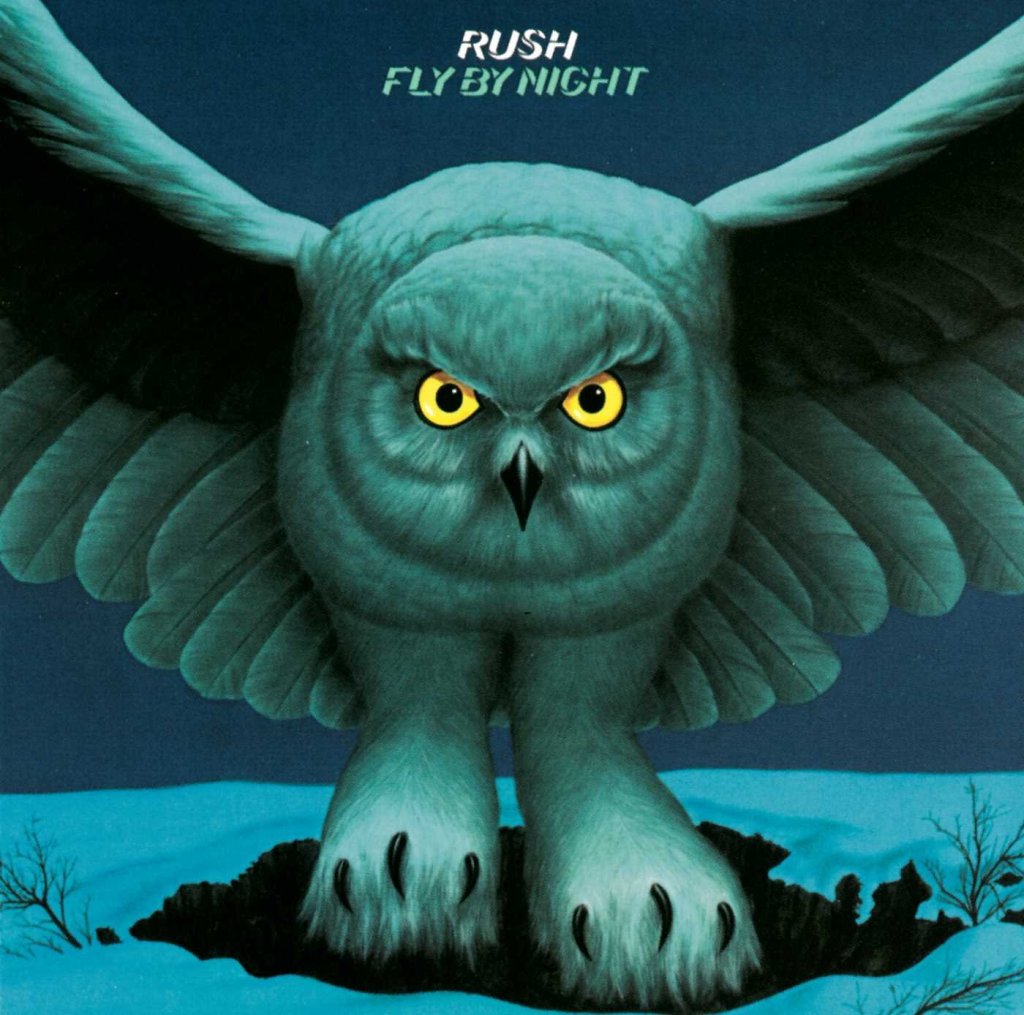
Here we have perhaps the greatest improvement a band has ever displayed in a sophomore release. The addition of Neil Peart to the fold made a day-and-night difference in the quality of work being created by this band. As I said at the very beginning of this list, Rush started out as a pretty generic 70s rock band, and Geddy Lee and Alex Lifeson weren’t exactly the best lyricists. But Neil Peart’s nerdy, literate approach to songwriting, and his unparalleled drumming ability took Rush from a decent hard rock band to a prog rock powerhouse, unlike any other band to come out of this time period. “Anthem,” “Beneath, Between & Behind,” and of course “Fly By Night” are essential Rush classics, and “By-Tor and the Snow Dog” marked their first attempt at writing longer, multiple-movement conceptual pieces. Fly by Night is certainly rough, geeky, weird, and corny, but it was a groundbreaking album for Rush, and only the beginning of a string of classic releases, consisting of some of the greatest progressive rock music ever created.
6. Permanent Waves (1980)
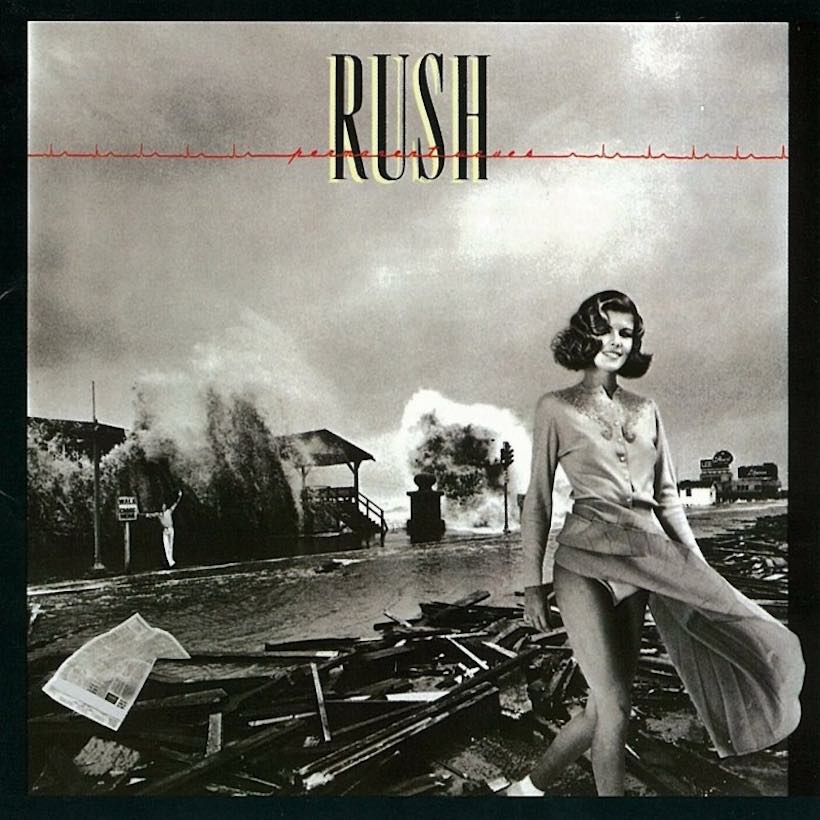
At the beginning of the 1980s, Rush decided to tone down their over-the-top prog style in favor of a more mainstream rock approach. And while they dialed it back with the 20 minute songs, and the space battles and fantasy adventures, they were able to successfully strike a balance between making complex, prog-centric music, and accessible, radio-ready rock music. Permanent Waves is best known for “The Spirit of Radio,” one of the biggest hits in the band’s entire catalogue. Clocking in at just under five minutes, this infectious, radio anthem features multiple small musical passages in differing time signatures, successfully packing Rush’s taste for over-the-top musical indulgences into a sleek, accessible package, for consumption by a much broader audience than any of their previous releases. This would serve as a blueprint for how Rush would write singles for years to come. However, at the end of the album, we have “Natural Science,” a nine-minute epic, packed full of everything fans of early Rush love. This album functions as a perfect blueprint for writing prog music that is accessible and unintimidating, while also being complex and interesting to prog fans.
5. Moving Pictures (1981)

Following Permanent Waves, Rush went even more mainstream with Moving Pictures. And while this album was a big, bold step away from their prog side, it is a rock classic in every sense. Almost forty years after the album’s release, “Tom Sawyer” and “Limelight” are still rock radio staples, “Red Barchetta” and “Witch Hunt” stand as two of the best songs in Rush’s catalogue, and “YYZ” is considered one of the greatest instrumental tracks in the history of rock. This is one of those classic albums where every single track is as beloved as the last, and it’s no wonder that so many consider it Rush’s best. Even though it isn’t a top three Rush album for me, as it is for many Rush fans, it is certainly the band’s most accessible album, and for anyone who is completely unfamiliar with Rush, but is interested in getting into them, I highly recommend starting with Moving Pictures.
4. Hemispheres (1978)
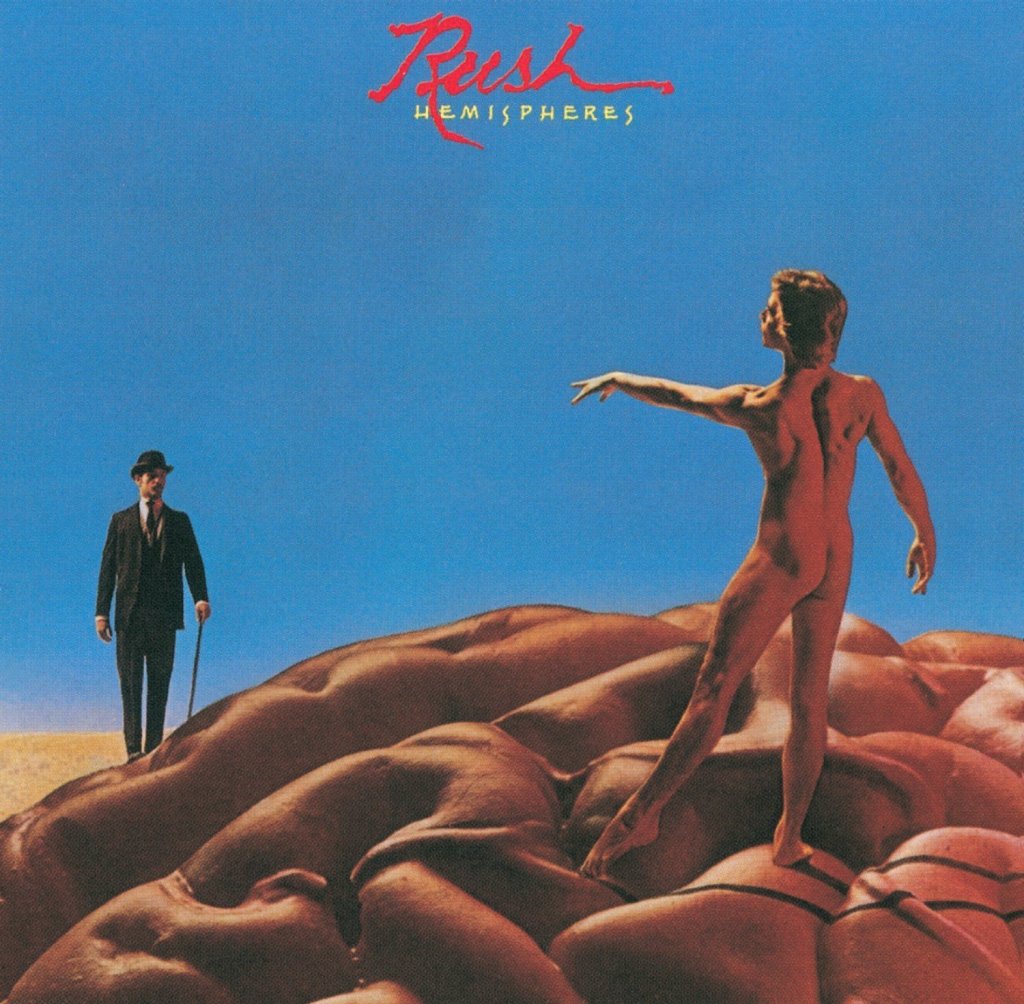
By now, you’ve probably figured out that I’m partial to early Rush. The weirdest, proggiest, nerdiest music that Rush ever created is also my favorite. Take Hemispheres for example. There are only four tracks on the album, the first being “Cygnus X-1 Book II: Hemispheres,” a continuation of the final song on A Farewell to Kings, and an 18-minute epic, taking up the entire first side of the record (something Rush did two other times in their early discography, but more on that momentarily). On the other side, we have classic singles, “Circumstances” and “The Trees,” as well as “La Villa Strangiato,” a 10-minute jazzy instrumental piece, showcasing the best of all three band members. Altogether, what we have here is a true prog masterpiece, which sums up why I love this band quite nicely. So how is this only at number four? Well dear reader, because Rush have three more prog masterpieces that are even better.
3. 2112 (1976)
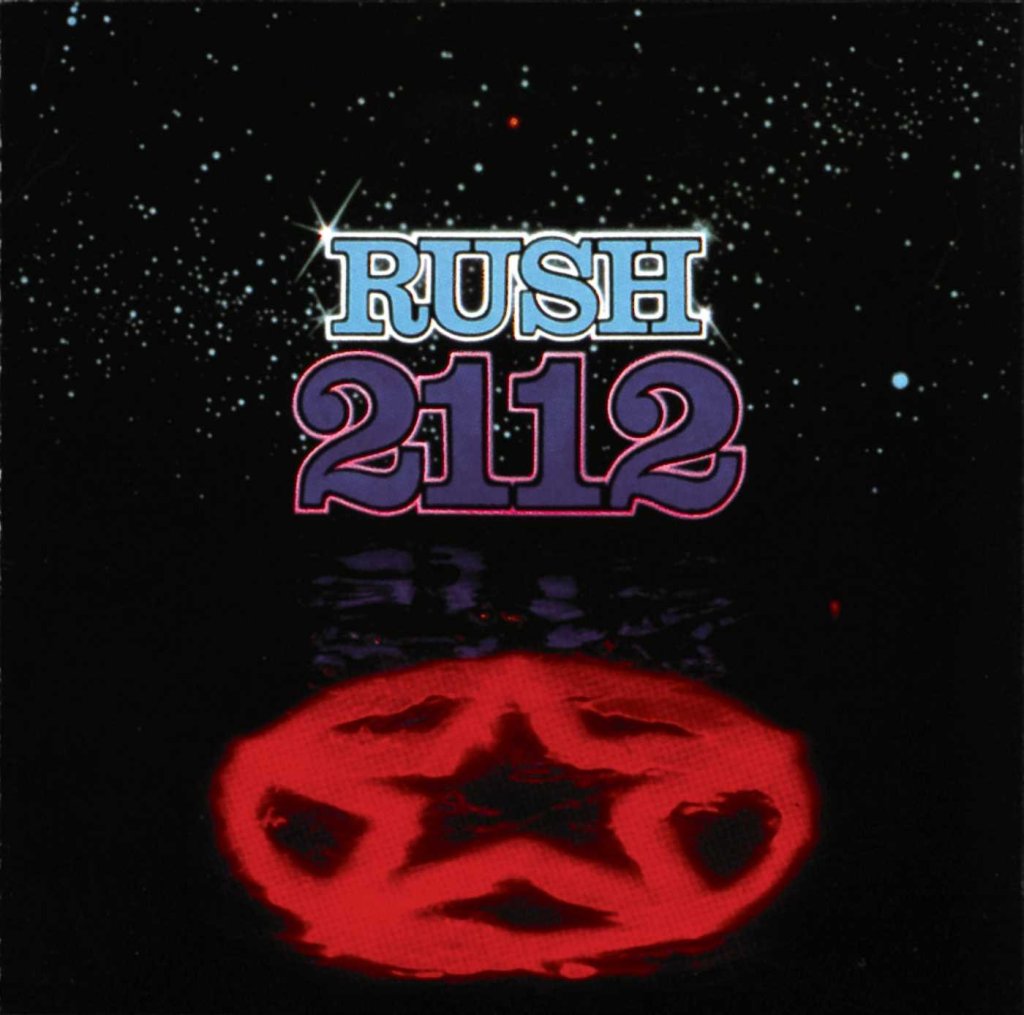
What we have here is by all accounts one of the most essential albums in the history of progressive rock. Once again, we have one song occupying the entire first side of the album. And I’m not exaggerating when I say this track is the greatest 20 minutes ever captured on record. I’m speaking, of course, of “2112,” an epic dystopian tale about a kid living in an authoritarian future, who discovers a guitar and begins making his own music. This track is truly the pinnacle of Rush’s conceptual writing, and is my favorite song of all time. So why then is this album only my third favorite from Rush? Well, let’s talk about side B. We have “A Passage to Bangkok,” The Twilight Zone,” and “Something From Nothing,” which are all good songs, but aren’t in the same weight class as some other deep cuts from Rush’s early years. We also have “Lessons,” written by Alex Lifeson, and “Tears,” written by Geddy Lee, which both serve as reminders of why Peart was the lyricist for this band. Overall this is still a fantastic album, but some lesser cuts on the B side keep it just short of top-to-bottom perfection. So now, onto two albums that I feel achieve that.
2. A Farewell to Kings (1977)
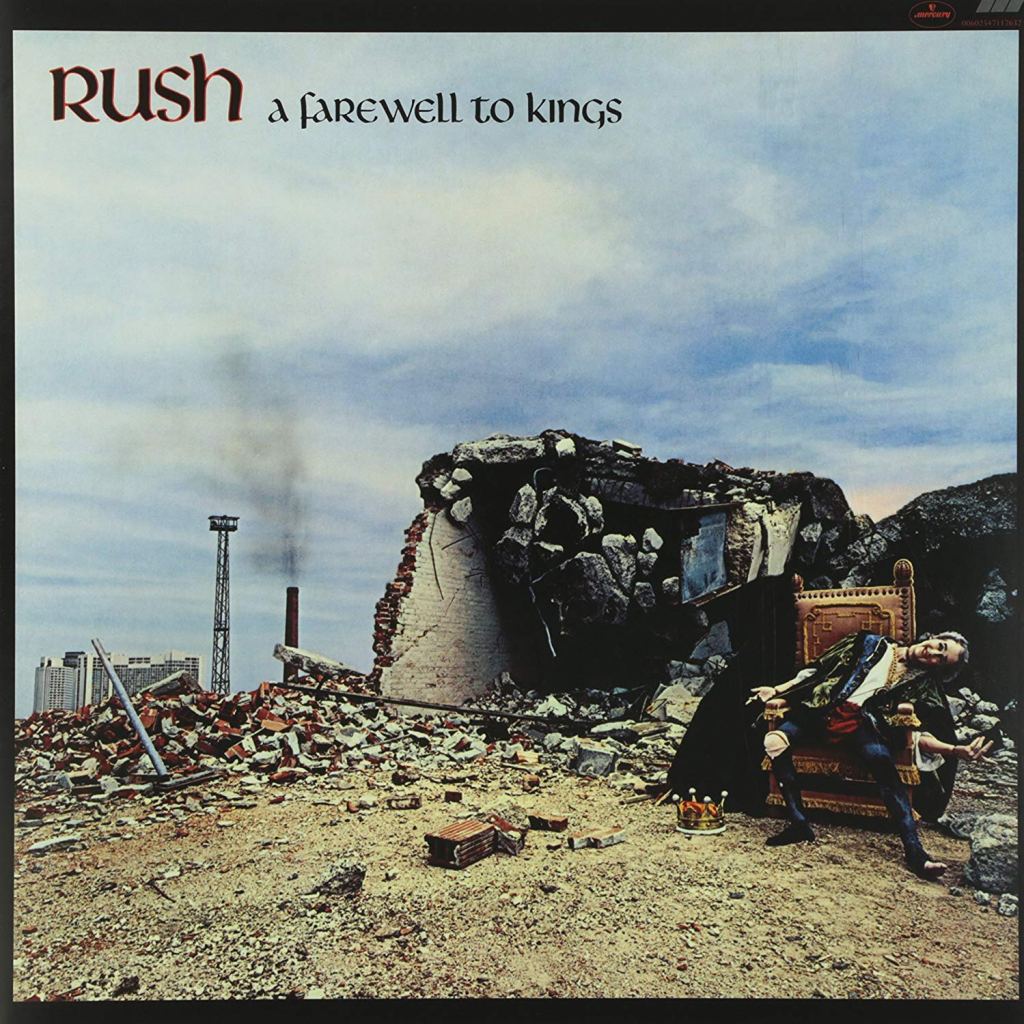
Here, we have one of the nerdiest albums Rush ever released. From top to bottom, A Farewell to Kings is tinged with a medieval theme, complete with whimsical, finger-picked acoustic guitars. The highlights are “Xanadu” and “Cygnus X-1,” both clocking in at over 10 minutes long, and about…you guessed it…epic mythical adventures. Good stuff. The aforementioned medieval theme is ever present on tracks such as “A Farewell to Kings” and “Madrigal,” and “Closer to the Heart” stands as one of the band’s all-time classics. A Farewell to Kings is far from the band’s most accessible work, but for anyone who is a fan of the proggy, nerdy side of Rush, this album is thoroughly enjoyable from top to bottom, and compiles everything that I’ve always loved about this band to the fullest.
1.Caress of Steel (1975)

At last, we have my favorite Rush album of all time. Caress of Steel is an album you don’t always hear much about, and has garnered a reputation as the album that almost killed Rush. Immediately following the weird and quirky, but reasonably accessible Fly by Night, Rush released what is without a doubt, the weirdest, nerdiest, least mainstream accessible album in their entire catalogue of work. Audiences weren’t ready for it, and it tanked. Had they not redeemed themselves with 2112 the following year, their label would have surely dropped them. But the things that made this album a commercial failure are exactly the things that I love about it. We get “The Necromancer,” clocking in at nearly 13 minutes, and “The Fountain of Lamneth,” clocking in at 20 minutes, both epic, fantastical, multi-movement adventure songs, together taking up the vast majority of the album, leaving room for only three normal-length songs (which are pretty great too). To me, Rush is a trio of virtuoso musicians who write complex, weird music about fantasy and adventures. And by that definition, Caress of Steel is the most Rush album they ever released, and as such is my favorite. Rest in peace, Neil. Thank you for the music.
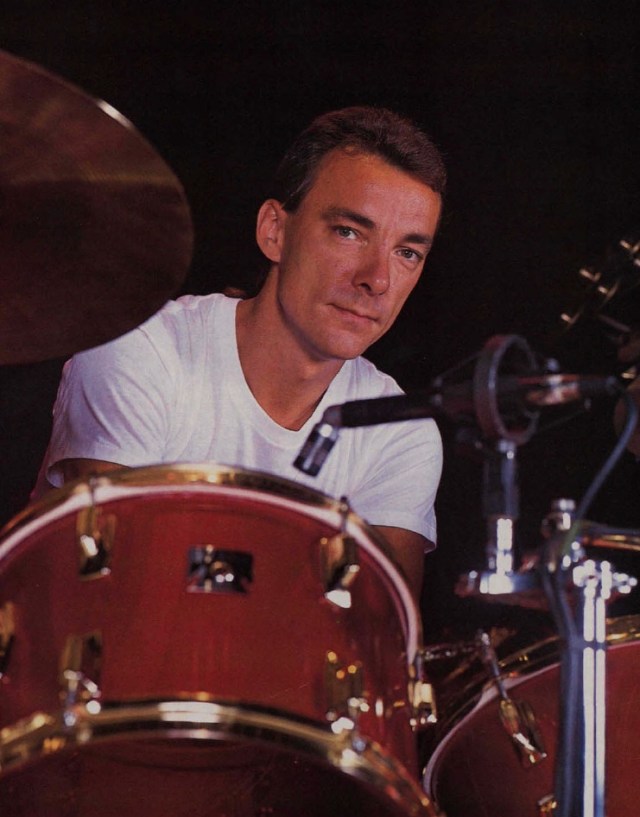
1952-2020











 Phil Klinker Music Reviews