Blink-182 – NINE Review

                  New Blink album? Cool! NINE is the eighth studio album by flagship pop-punk band Blink-182, and their second to feature guitarist/vocalist/songwriter Matt Skiba of Alkaline Trio in place of Tom DeLonge. California, the band’s first album featuring Skiba, was received surprisingly well by Blink fans, especially after the fanbase’s collective disappointment at the news of the band’s split with DeLonge. And for good reason! After Neighborhoods, Blink’s final album with DeLonge, and a boring and extremely forced effort from top to bottom, fans were thrilled to hear their favorite band having some fun again. So how does the second outing from the current Blink lineup compare?

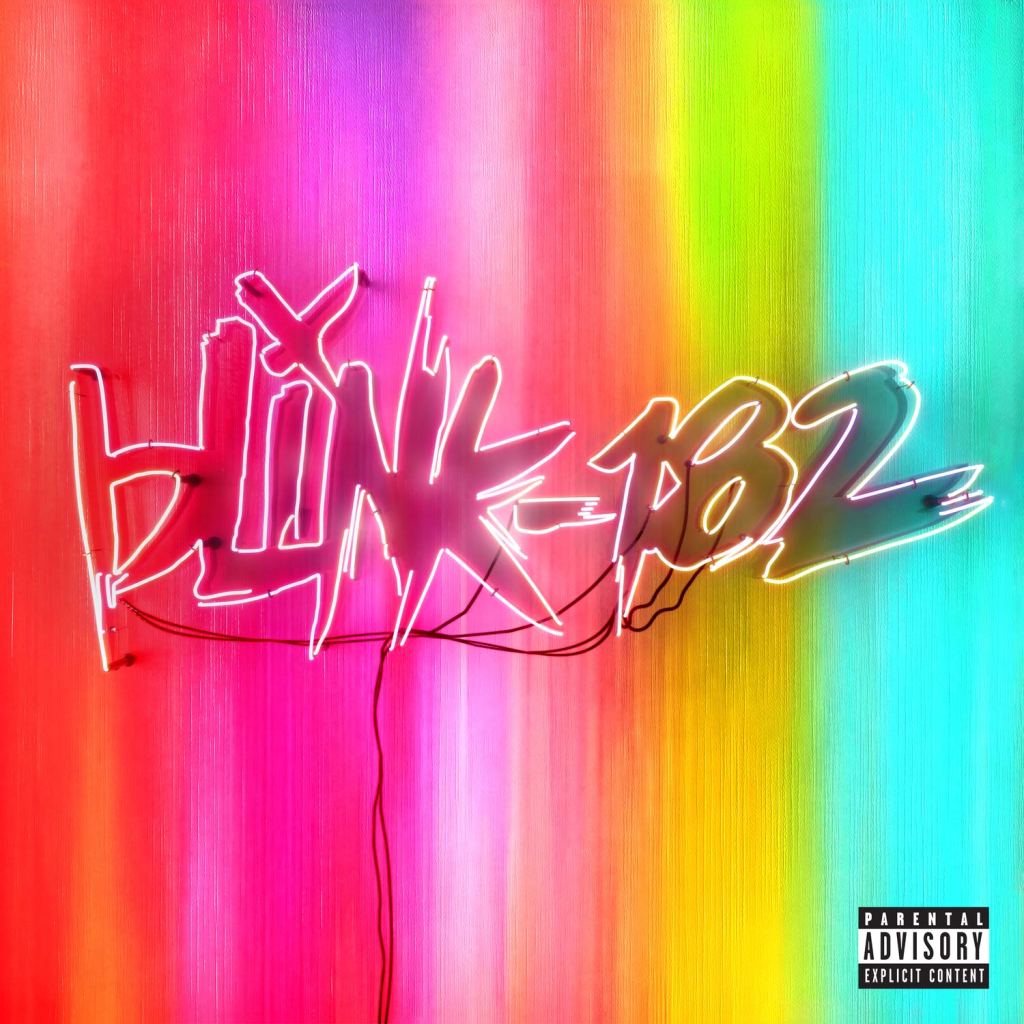
                  Before we get to that, let’s talk about the rollout of NINE. Upon first sight at the album art and title, my hopes for this album weren’t exactly high. I know, you can’t judge a book by its cover, but you can always make predictions. First of all, the album art is simply the band’s logo set against a sloppily painted rainbow pattern. And naming your eighth album NINE? That’s just an incredibly stupid joke (unless they were serious, and they’re counting Buddha or something). Again, none of this is relevant to the music itself, but it certainly didn’t give me confidence that any meaningful effort was put into this project. So let’s talk about the first single, a track called “Blame It on My Youth.” Yeah, this song wasn’t exactly reassuring. Essentially, it’s a generic, cookie-cutter, cleanly produced pop rock tune, with any semblance of soul or personality produced and compressed away. I was immediately reminded of Weezer’s Pacific Daydream, and began to fear that this would be that album for Blink-182. Several more singles came out, one by one, some good, some bad, leaving me entirely unsure what to expect from the complete album.

                  Well, I’m pleased to tell you that this album is not Pacific Daydream. Not by a long shot. This is a good album overall. But that being said, I can’t honestly say I like it as much as everybody else seems to. At its core, this is a well-written album that achieves what it sets out to do, and I can certainly understand the hype, especially after how low everybody’s expectations were initially set. But there are some major issues with this album that I can’t overlook.

                  In terms of performance, NINE is more or less par for the course for Blink-182, and hey, I won’t complain about that. Mark Hoppus holds the bass work down nicely. Nothing too flashy, but he gets the job done as always. Matt Skiba delivers punchy, aggressive power chords in classic Blink-182 fashion, while also adding in some tasteful single-note ambient licks, almost reminiscent of DeLonge’s guitar work on Neighborhoods (not in a bad way). And of course, Travis Barker’s drumming is world class. But hey, even at Blink’s worst, this has always been the case. Vocal performances from Hoppus and Skiba are solid and cover a decent range (which probably means they won’t sound good live, but hey, that’s not what I’m here to judge). Synths and keys are included a little too much for my liking, but don’t sound terrible by any means.

                  Now if only the overall production and presentation of this album were as well executed as the performances by the band. I’ve heard people praise this album’s production, but I’m honestly just not a fan. The overuse of electronics, compression, and autotune squeeze the life out of even the best songs. The reverb and flanging effects aren’t a bad thing in and of themselves, but they are overused throughout this album to a degree that is almost headache-inducing, muddying up the sound and burying subtler elements of the music deep, deep in the mix. Ultimately, this makes for a sound that’s as messy and overwhelming as the album art.

                  With the exception of “Blame It on My Youth,” the songwriting on NINE is mostly pretty solid. In the first several minutes of the album, we are treated to tracks such as “The First Time,” “Happy Days,” and “Darkside,” anthemic odes to youth, fun, and mischief in the true spirit of Blink-182. By jarring contrast, the second half of this album consists almost entirely of breakup songs. And while none of these songs are bad per se, this theme can get repetitive. And while some of these tracks, such as “Black Rain” and “Pin the Grenade” stand out as highlights, others such as “I Really Wish I Hated You” and “On Some Emo Shit” are almost immediately forgettable. “Remember to Forget Me” is an underwhelming and entirely unsatisfying closer. Perhaps the worst thing about having so many sad breakup songs on this album is that for the most part, it just really isn’t all that fun, even if the songs are good. Don’t let the obnoxiously colorful cover art fool you, this album captures the feeling of crying while driving through a dark city at night in the rain perfectly. This thing is seriously dreary. Not bad if that’s what they were going for, but not what most people desire from a Blink-182 album. “Generational Divide” and “Ransom” feature some of the strongest hook writing and instrumentation on the album, but are roughly a minute each. I would have loved for these to have been full songs.

                  NINE may be a little rough around the edges, but it’s still more spirited, genuine, and frankly, more interesting than anything Blink-182 would be doing if Tom DeLonge was still in the band. It certainly beats Neighborhoods by a long shot. That being said, much of the stylistic direction they have chosen to take this album in, while respectable, just isn’t doing it for me personally. The lyrics and overall mood are more glum than I want when I put on a Blink-182album, the production is busy and overwhelming, and the lyrical content gets monotonous. After hearing NINE, I still give the Skiba-era of Blink a thumbs up on the whole, but of the two existing albums from this era, I’ll take California any day.

Score: 6/10

Favorite Song(s): Darkside, Happy Days, Black Rain

Least Favorite Song(s): Blame It on My Youth, I Really Wish I Hated You, On Some Emo Shit

READER REQUEST: Mickey Mouse Disco Review

Hello, and welcome to my first reader requested review! I know it took me a little while to get to this, but with new releases in full swing for the summer, I really haven’t had time to review much else. But now, for my first reader request, I’ll be talking about…Mickey Mouse Disco. Yes, really. Now what is Mickey Mouse Disco, you ask? Well, buckle up ladies and gentlemen, you’re in for quite a ride.

                  Mickey Mouse Disco is a novelty record, released by Disney in 1979. As one might guess from the title, it is a compilation of disco renditions of classic Disney songs, as well as “Disney-fied” versions of popular disco tunes of the time. Despite the fact that this album is now entirely irrelevant, somebody at Disney saw fit to re-release it on Record Store Day this year, in honor of the album’s 40th anniversary. And if you think that’s crazy, my brother saw it fit to request that I put time and energy into reviewing the damn thing. So I guess that’s what I’m about to do.

                  I’ll just tell you all right of the bat, if you’re older than like five, you will probably find this thing pretty annoying. The songs are repetitive, the lyrics are stupid, and on tracks such as “Macho Duck” and “Watch Out For Goofy!” classic disco tunes are invaded by obnoxious impressions of Disney characters. I guess maybe it’s supposed to be funny, but I didn’t really laugh.

                  In terms of positives…well, I guess there’s a pretty soulfully performed rendition of “It’s a Small World.” And the musicianship and production are honestly world class, no complaints there. But then again, this is Disney we’re talking about. That’s like the bare minimum we can expect from any music to come from this company.

                  Perhaps my biggest point of confusion regarding this album is where the market for this was. I understand that disco was huge in the 1970s, but a Disney disco album? Could that really be profitable? Well apparently yes. Mickey Mouse Disco is certified 2x Platinum in the United States, selling over 2 million copies. I’m aware that there are many avid Disney collectors around who probably contributed to a big chunk of this number, but that’s also undoubtedly an alarming number of people who felt they needed to purchase Mickey Mouse Disco for the kiddos, or perhaps themselves. And if you were ever a parent who purchased this record, and your kids played it to death on the old family Victrola, let me just say, from the bottom of my heart I’m sorry.

                  In conclusion, Mickey Mouse Disco may be good fun for young…very young…children, but for me, and presumably most other adults besides my brother, it’s headache-inducing stuff. The performance and production are up to par with our expectations for Disney (and that’s where the points I give this album mostly come from), but that doesn’t make the songs themselves tolerable. But hey, if there’s anybody out there reading this who has just really been dying to hear a Disney album in the style of 1970s disco music, then I’m here to tell you, you’re in luck. As for me, Mickey Mouse Disco isn’t my style, or my sense of humor.

Score: 3/10

Favorite Song(s): It’s a Small World, Zip-A-Dee-Doo-Dah

Least Favorite Song(s): Macho Duck, Watch Out For Goofy!, The Greatest Band, Mousetrap

The HU – The Gereg Review

Greetings to the one or two of you who may have actually clicked on this! Today, we’re talking about a new band that most of you probably aren’t aware of, but should be. I mean, we have new albums from Korn, The Goo Goo Dolls, and The Pixies, and I still decided I’d rather talk about this one. So yeah, you could say The HU have caught my attention in a pretty big way. So who is this band?

                  The HU is a Mongolian folk metal band who recently sprung up in the YouTube world. They are immediately distinguishable from other bands in the metal genre, for their use of traditional Mongolian folk instruments, such as the morin khuur, a box-shaped stringed instrument, played with a bow, the tsuur, a wooden flute-like instrument, and the topshur, a Mongolian lute, held and played similarly to a guitar. More typical metal instruments such as electric guitar, bass, and drums are included, but take a backseat to these more unconventional Mongolian instruments. Overtop all of this, we hear traditonal Mongolian throat-singing. However, the tempos, progressions, melodies, and playing styles, are unmistakably as metal as you can get.

                  In this particular review, I have very little to say about the lyrical content, as The Gereg is entirely in Mongolian, and apart from the lyric videos for the singles, I was unable to find particularly accurate translations. From what I could find, the lyrics consist entirely of ancient Mongolian lore, religion, battles, and love of Mongolia. Animals and the elements are used frequently as metaphorical figures. Not much to analyze, but pretty badass nonetheless.

                  Musically, we get a pretty even mix of intense, epic barn-burners and slower, more serene and atmospheric songs, which are, for the most part, staggered pretty consistently throughout the tracklist. Songs such as the debut single, “Wolf Totem,” along with “The Gereg,” “Shoog Shoog,” and “Yuve Yuve Yu,” are anthemic cuts and dynamic highpoints of the album. Tracks such as “The Great Chinggis Khan” and “The Same” are slower and darker, but maintain the intensity of heavier tracks, while other tracks, most notably “The Legend of Mother Swan” ad contrast with a lighter, more calming sound. While this album includes more of the slower, softer songs than I would have preferred, the differences between them keep the listener interested as the album progresses.

                  Upon becoming an overnight sensation on YouTube, The HU were quickly signed, and an album and tour scheduled. The only issue was, they had very little music at this time, making for a very rushed album. Fortunately, this didn’t seem to damage the final product too much. There are no bad songs, but there are several that don’t quite live up to the album’s best moments. Singles such as “Shoog Shoog” and “Yuve Yuve Yu” are both very strong lyrically and musically, but contain quite a bit of repetition, and probably the most typical metal elements of any of these songs, making me wonder if they were designed specifically to have radio appeal. “Song of Women” is a nice, soft cut that slightly wears out its welcome with a run-time of over seven minutes, and is also a strange choice to close the album. Once again, none of these songs are bad, but somewhat flawed. These minor gripes are far outweighed by the moments where we see this band at their best, such as “Wolf Totem” and “The Great Chinggis Khan.”

                  The HU may not have had as much time as they would’ve liked to perfect their debut album, but The Gereg is still good. Really good. While there are certain kinks that I believe could have been ironed out with more time, overall, this band has an excellent sound, and an excellent formula. The traditional instruments, the throat-singing, and the lyrics that bleed Mongolian lore and culture are a recipe for one of the most original breakout metal acts we’ve seen in a very long time. I believe that having a proper amount of studio time will benefit their future releases, but there’s absolutely nothing else I would change. What this essentially leaves us with is the ideal debut album: a solid first showing that leaves some room to grow. Keep an eye out for The HU.

Score: 8/10

Favorite Song(s): Wolf Totem, The Great Chinggis Khan, The Legend of Mother Swan, The Same

Least Favorite Song(s): Song of Women, Shoog Shoog

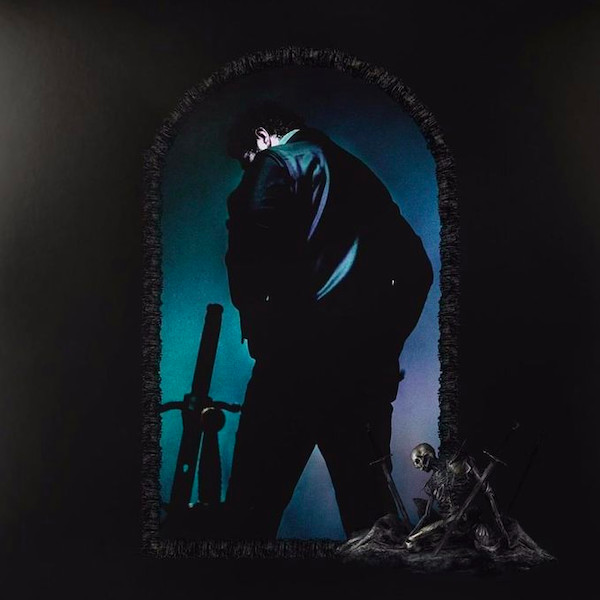
Post Malone – Hollywood’s Bleeding Review

Post Malone’s third studio album is here! Now I know what you’re thinking, “didn’t Beerbongs & Bentleys just come out?” And while it has been over a year since the release of Post Malone’s smash sophomore album, it does seem like more and more artists are releasing full albums very close together. This is something I tend to be very critical of, as I would always prefer that artists take the time to really perfect their projects. Thirteen years was a long time to wait for that Tool album I just got done reviewing, but it was well worth it. So now, funnily enough, I follow up that review by talking about an album that fans had to wait almost no time at all for. The question is, does Hollywood’s Bleeding stick the landing, or is its quality compromised by the rapid turnaround time?

                  Before we get into any of that, I should talk about my relationship with Post Malone’s music up to this point. Post Malone has never exactly been my thing, primarily due to my general distaste for the overly simplistic and aggressively trap-heavy pop and hip-hop music that has dominated the charts in recent years. That aside, I can at least understand Malone’s appeal, as easily one of the smartest writers in this new wave of artists. While I was entirely unimpressed with his debut album Stoney, I certainly appreciated some of the strides he made on Beerbongs & Bentleys in the areas of writing and production, even if some of the goofy lyrics and repetitive trap instrumentals consistently served as a reminder of why I seldom listen to this kind of music. So I assumed that at best, I would have that same lukewarm appreciation for this new album.

                  Honestly, this album really surprised me. Post Malone takes this project in a lot of very fresh and adventurous directions, especially for an album that was most likely being written before Beerbongs & Bentleys was even released. Musically, Malone’s signature trap-pop sound is still very present, but the songs are much more dynamically and stylistically diverse than they have been on either of Malone’s preceding albums. Lyrically, Hollywood’s Bleeding is Malone’s most mature and personal album to date.

                  Many of the songs on this album seem focused on Malone’s disenchantment with the world of famous entertainers he now finds himself in. He sings repeatedly about distrusting people who were once his friends, but have stabbed him in the back, “Enemies” and “Die For Me” being among the most obvious examples. Songs such as “A Thousand Bad Times” and “Take What You Want” dive into the perils of toxic relationships. “Internet” is a shorter tune about the pitfalls of our social media-obsessed culture, a daring move, considering Malone’s target age demographic. The weakest moments lyrically are tracks such as “Saint-Tropez” and “On The Road,” two stale, unoriginal songs about being the best in the game. Obviously nothing new to this genre.

                  Musically, this album is a pretty even mix of songs in Malone’s signature style, and songs that go in some different directions that are newer for him. Malone wears his love for rock music on his sleeve in guitar-driven songs such as “Allergic,” “A Thousand Bad Times,” “Circles,” and most of all, “Take What You Want,” a song featuring Ozzy Osbourne (yes, you read that right), and a face-melting guitar solo. “Internet” is a beautiful piano ballad, the likes of which nobody expected from Malone. Even tracks such as “Hollywood’s Bleeding” and “Wow.” which don’t deviate much from Malone’s signature sound at least come off as better thought out and more musically interesting.

                  Malone is no stranger to high-profile featured artists, and that trend is continued on Hollywood’s Bleeding. Even though artists such as Travis Scott and Young Thug aren’t my cup of tea, the features on this album never come off as overbearing, and Malone still shines through as the primary artist. If you’ll remember, overbearing and frankly pretty terrible features made up the bulk of my issues with Ed Sheeran’s recent collaborations album. And while many of the features on this album are low points for me, there are a few that I enjoy quite a bit. The aforementioned Ozzy feature warms my metal heart whenever I hear it. Beautiful performances from Halsey and SZA are the saving graces of two otherwise pretty forgettable songs. Swae Lee’s part on “Sunflower” is the only moment on the album where Malone is overshadowed by a featured artist, but I’m honestly not complaining about this one.

                  While the very brief time between Beerbongs & Bentleys and Hollywood’s Bleeding gave me reason to be skeptical about this album, Post Malone has delivered an ambitious, and overall pretty solid, batch of songs. While the trap production and features from artists I’m not crazy about keep me from enjoying this album top to bottom, the most creative and memorable moments stick the landing in a big way, and leave me excited to see what Post Malone does next.

Score: 7/10

Favorite Song(s): Take What You Want, A Thousand Bad Times, Allergic, Circles

Least Favorite Song(s): Saint-Tropez, On The Road

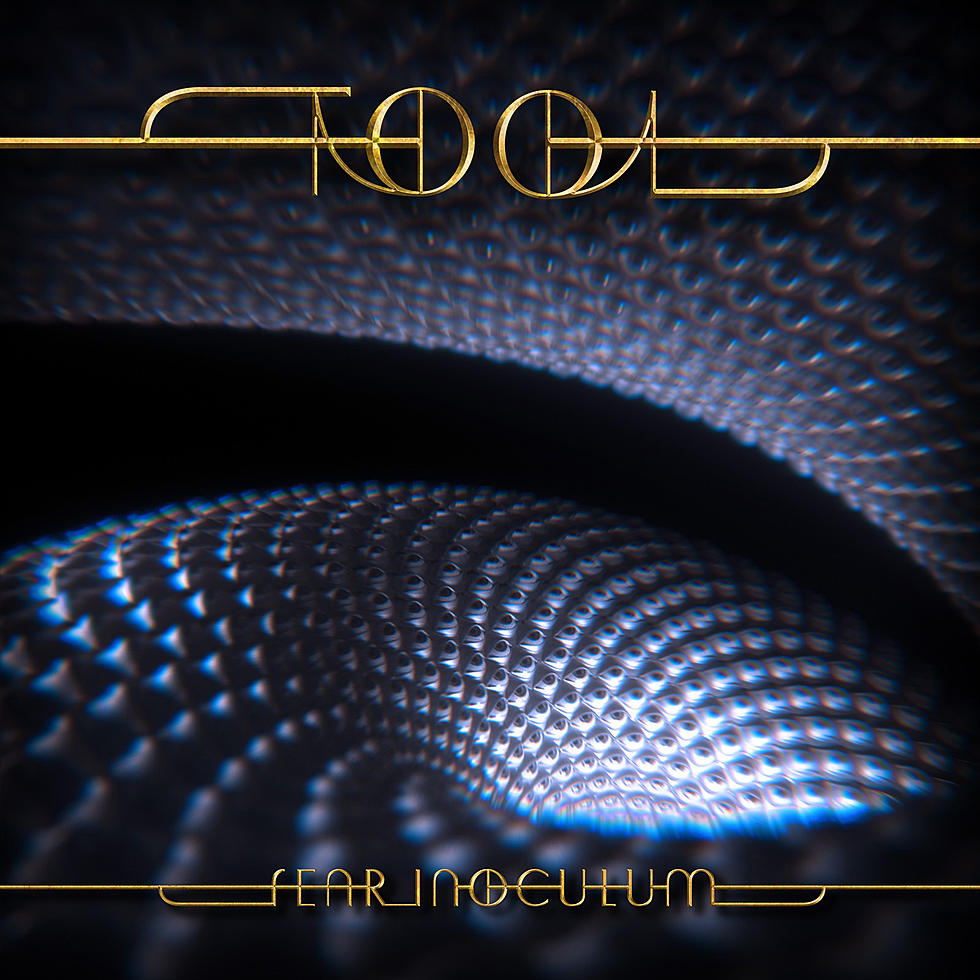
Tool – Fear Inoculum Review

Well people, it finally happened. Indeed, the fifth studio album from Tool is upon us. Coming 13 years after Tool’s previous release, this is an album fans of the band have been frothing at the mouth for, but many of us believed would never come. I didn’t even fully believe it until I first listened to it on its release day. But yes, it seems that hell has frozen over. If we can get a new Tool album, anything is possible. World peace! No more poverty! Communication with alien life! On second thought, that’s a lot, let’s just talk about this new Tool album.

                  When you have an album this highly anticipated, and long-awaited, the hype naturally comes with hopes and expectations. If they kept us waiting for 13 years, the end result better be pretty good, right? And on top of that, this is a band whose discography up to this point has been virtually spotless. So with Fear Inoculum, Tool have four fantastic albums to live up to, and thirteen years of silence to justify. So did Tool deliver the epic fifth installment in their catalogue that everyone had hoped for? Or did they ultimately waste over a decade creating first blemish on the face of their discography?

                  Well one thing is for certain, it would be hard even for this album’s harshest detractors to assert that it is a total failure. I mean, whatever you think about this album as an individual chapter in Tool’s catalogue (more on that momentarily), it’s undeniable that in terms of what we have come to expect from this band, all of the boxes (Toolboxes?) have been checked. Dark, hypnotic instrumentals, haunting emotive vocals from Maynard James Keenan, long, strange instrumental passages, unconventional time signatures (often with different instrumentalists playing in different time signatures overtop of each other), and intelligent, introspective lyrics. For me, if you have these elements, you have a functional Tool album. So what sets Fear Inoculum apart from the rest of the pack?

                  More than anything else, this album stands out to me as the most ambitious release to date from Tool. This band is notorious for their long, proggy songs, with drawn out instrumental jams, and unorthodox twists on the traditional verse-chorus form found in most rock music. However, this aspect of Tool’s DNA is taken to the next level on Fear Inoculum. Apart from the instrumental interludes (most of which are only included on the digital version of the album; for this reason, I will focus very little on these tracks), there are no songs under ten minutes on this album. Each song contains a full, developed lyrical narrative, accompanied by complex and ever-changing instrumental parts, which frequently break off into extended jams. And the painstaking effort of the band is evident in all of them. All of this, plus the interludes on the digital album, add up to a runtime of nearly an hour and a half. And as hard as it is to hold an audience’s attention span through an album of this length, Tool really pull it off nicely here. There honestly isn’t a dull moment on this album. Some might argue that the interludes are a little bit lengthy (and unnecessary), and while they may have a point, I feel that their presence on this album helps to keep the longer tracks separate and distinguishable, while adding interesting little moments of abstract sonic art.

                  The key reason that this album is able to stay consistently interesting in spite of its length is that the instrumentalists of Tool are really on their A-game here. Drummer Danny Carey’s distinct style carries the instrumental passages, shining especially bright on “Pneuma.” Bassist Justin Chancellor consistently plays complex, intricate bass lines, always contrasting nicely against Adam Jones’s guitar parts, never doubling them in the lower register, as is typical of rock bassists. And Adam Jones…look, I swear I’m not just saying this because I’m a guitar player, but in many ways, Jones is the star of this album. His dynamically tasteful guitar playing constantly serves as the foremost indicator of where an instrumental passage is going, beginning soft passages with delicate arpeggiated picking, and diving into heavier grooves, with sludgy, almost Jerry Cantrell-like riffing. Highlights include a haunting, reverb-heavy solo on “Invincible” and two separate solos in “Descending,” one featuring slide guitar, and another featuring a wah pedal. Neither of these are very new or original accessories to the electric guitar, but Jones uses them in a way that enhances his signature sound. “7empest” is not only the best song on this album, but quite possibly Adam Jones’s shining moment with Tool. The guitar composition and presentation alone are enough to make this the dynamic highpoint of the album, but the fact that Carey and Chancellor are also holding down their own parts masterfully certainly doesn’t hurt. And of course, Maynard James Keenan’s unmistakable vocals are as powerful and moving as ever. Passages of doubled and distorted vocals in “Pneuma” bring these qualities out in an even more haunting way. And on “7empest,” Keenan delivers one of his more aggressive vocal performances to date.

                  Lyrically, we are treated to much of the same existential, spiritual lyrics Tool have delivered in the past. On tracks such as “Fear Inoculum,” “Pneuma,” and “Descending,” it can be difficult to tell if Keenan is referencing Christianity, Transcendentalism, nihilism, or something else entirely. Other stand-alone cuts include “Invincible,” a song about a warrior returning home with no true sense of self, and “Culling Voices,” a warning about the dangers of narcissism. “7empest” is the highlight of this album, not only musically, but lyrically, as it brilliantly calls out those who seek to control the thoughts of the public, by twisting perception and presenting their own ideals as fact, an issue that grows ever more prevalent in the modern day.

                  Tool had a lot to live up to with Fear Inoculum. With every year that passed, anticipation and expectation for this album grew higher, and seemingly, more impossible to live up to. But the crazy thing? They did it. Not only did we get a great Tool album, we got one that was worth the entire wait. Thirteen years is a long time, but I’m glad the band took the time to get this one right. There’s no way to be sure, but when the new album hype settles down, and Fear Inoculum takes its place with the other four entries in Tool’s catalogue, I do believe it will be regarded as one of the best. This is Tool at the peak of their creativity, precision, and coherent album construction. I am thrilled to say that the long wait for Fear Inoculum has paid off in full.

Score: 10/10

Favorite Song(s): 7empest, Pneuma, Descending, Culling Voice, Invincible

Least Favorite Song(s): Legion Inoculant

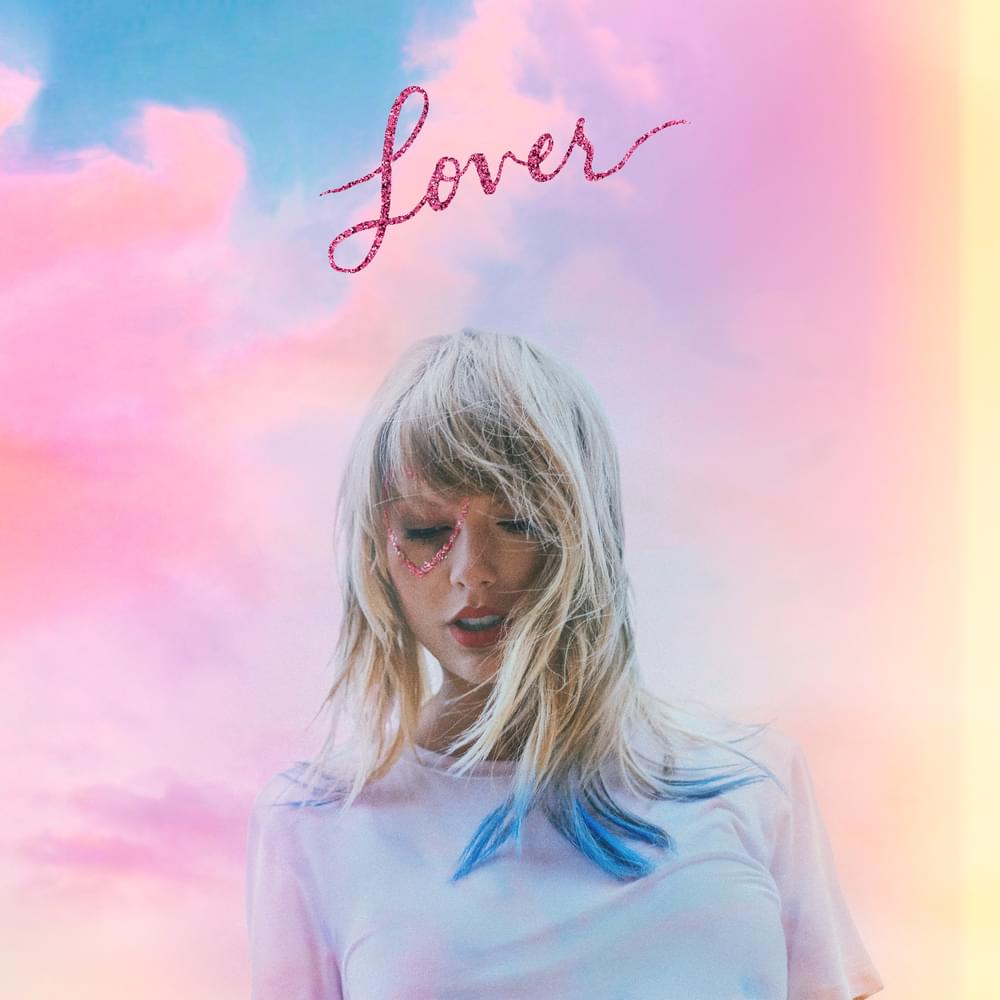
Taylor Swift – Lover Review

Hello ladies and jellyfish, and welcome to today’s installment of “How many Grammys will this get?” Today, we’re talking about the newest studio album from an artist who needs no introduction. Yes, at this point, if Taylor Swift so much as breathes into a microphone, it’ll shoot to the top of the charts overnight. Swift’s success is unique in today’s pop music landscape, because of the longevity and consistent relevance she’s been able to maintain. Let’s face it, when it comes to popular music, this generation has no attention span. New artists pop up, rule the charts for an album cycle (two if they’re really lucky), and then fade into the background, followed only by their biggest fans. Taylor Swift released her self-titled debut album in 2006. To put this into perspective, the top three songs of that year were “Bad Day” by Daniel Powter, “Temperature” by Sean Paul, and “Promiscuous” by Nelly Furtado featuring Timbaland. Now when was the last time you heard any of those names? But thirteen years later, Taylor Swift still dominates the airwaves with every new release. And her seventh studio album Lover is sure to continue that streak. Something that I believe to be a reason for her longevity is the effort she puts into evolving over time, almost “growing up” with her fans. Every Taylor Swift album to this point has come from a slightly different point of maturity lyrically, and has shown evolution in musical style and production choices, ranging from 2000s pop-country to full-on 2010s electropop. So what ‘s the story with this new LP?

                  Earlier this year, along with the announcement of her upcoming album, Swift released “ME!” as a single, a song featuring Panic! At The Disco frontman Brendon Urie, a collab that has been rumored for several years. The song is a bubbly, upbeat ode to self-confidence, set to a bright, rainbow-colored, cotton candy music video. It’s fun, well-constructed, and extremely catchy (although it got annoying pretty fast). This entire sound and aesthetic came off as a very intentional way to establish this new era in Taylor’s career as the polar opposite of her previous album, 2017’s darker and angrier Reputation. However, upon first hearing the album, I observed that “ME!” really doesn’t represent this album as a whole.

                  The album opens with a track called “I Forgot That You Existed,” a diss track that is almost definitely about Kanye West. Well, so much for polar opposite of Reputation. In fairness, the vast majority of the songs on this album err much more on the happy, positive side, but still, imagine if you will: For months, you see this album promoted as the anti-Reputation. It finally comes out. You hit play. And the first thing you hear is the latest installment in the ongoing saga of Swift’s feud with West (which has been entirely one-sided for quite some time now). But lyrics and Yeezus drama aside, musically, this song is not even close to being a proper album opener. It amounts to fairly chill, electropop background music. Tolerable if you can ignore Swift’s obnoxious vocal inflections, but largely forgettable. For an example of what an album opener should be, let’s refer to Reputation’s opening track, “…Ready for It?” As divisive as the darker, heavily electronic texture of this album was upon release, “…Ready for It?” was the perfect track to open the album. It’s one of the most dynamically intense cuts on the record, and it gives the listener a perfect preview of what’s coming, musically and lyrically, and lines such as “I see how this is gonna go,” “Baby let the games begin,” and of course, “Are you ready for it?” all play into the album-opener feel of this track. Meanwhile, “I Forgot That You Existed” could have just as easily been slapped anywhere into the tracklist, and should have probably been put somewhere in the middle, if it really needed to be included at all.

                  That being said, the sequencing of this album is completely wrong. And while I try not to deduct too many points for this, it does have a major effect on the listening experience, and is undoubtedly worth some points. “ME!” is the third track from the end, when it definitely belongs closer to the beginning (I’d put it around the one third mark, myself). More emotionally climactic singles such as “The Archer” and “Lover” are way too close to the beginning. The only sequencing choice I strongly agree with is putting “Daylight” at the end (more on that later). Apart from that, this album plays like a shuffled playlist. Though in fairness, it wouldn’t be easy to come up with a coherent tracklist order for this bloated mess. Seriously, there is no reason for this to be an hour long. And I have no issue with long albums, if they can justify their length. The Smashing Pumpkins’ 1995 masterpiece Mellon Collie and the Infinite Sadness is over two hours long, and I wouldn’t omit a second of it. But Lover could have easily been cut down to a regular, 12-song LP. Apart from a few really good songs (some of Swift’s best actually), pretty much any of these songs could be easily interchanged with one or two other songs on the album, and not be missed. There are only a few different song structures that are repeated a few times each over the course of this album. So now that we’re four paragraphs deep, let’s talk about which songs I liked, and which ones I didn’t.

                  Many of these songs are very wholesome songs about Swift’s current relationship, and they come off as very genuine. These are the songs that I feel work the best, and I would have preferred to see the entire album go in this direction. My favorite out of this batch is the title track, “Lover,” a beautiful doo-wop inspired ballad about wanting to be with that special someone always. The more I listen to this track, the more it reminds me of some of the Aerosmith ballads from the 90’s, such as “Cryin’” and “Crazy” (laugh at me all you want, but I love those songs). This mood carries through songs such as “The Archer” and “Cornelia Street.” “Paper Rings” and “London Boy” stay on this lyrical theme, but set it to more up-tempo music. Not quite as good, but harmless fun, nonetheless (although the constant references to British stereotypes in “London Boy” come off as a little silly). Another major highlight is “Death By A Thousand Cuts,” a song that goes deep into an experience Taylor presumably had with heartbreak. In terms of lyrics and vocal performance, this is perhaps the most real, earnest track on the album. As I mentioned earlier, “Daylight” is a perfect closing track for this album. It perfectly encompasses the personal growth that appears to have taken place between Reputation, an extremely bitter and spiteful album, and this one, which tends to focus on more positive subject matter. “Soon You’ll Get Better,” featuring The Dixie Chicks, is a pretty little acoustic track in the early second half of the album. While it isn’t a favorite of mine, it certainly isn’t as obnoxiously country-pop as I would’ve expected from a song featuring The Dixie Chicks.

                  Now if only the rest of the album could be so pleasant. But alas, many of these songs follow the same formula as “I Forgot That You Existed.” Cringeworthy lyrics, annoying melodies, generic electropop instrumentals and production, and obnoxious vocals from Swift. But dear Lord, some of these lyrics just hurt. For the majority of her most recent work, Swift has doubled down on that quirky and relatable personality in her lyrics and delivery. And if you’re a total Swifty who loves to dress up like hipsters, get down to this sick beat, can’t come to the phone right now, and is unable to possess nice things, I have good news for you. This album absolutely oozes Swift’s signature one-liners and internet-isms. I could go through each of them and think of something smartassy to say about them, but I’ll list just a few of them below and let them speak for themselves:

“In my feelings more than Drake”

“If I was a man, then I’d be the man”

“You play stupid games, you win stupid prizes”

“You’re taking shots at me like it’s Patrón”

“You just need to take several seats”

Yikes…maybe this album should’ve been called How Do You Do, Fellow Kids? (but hey, at least Swift dumped that ridiculous “Hey kids! Spelling is fun!” line that was in the single version of “ME!”).

                  Terrible one-liners aside, many of these songs just don’t stick the landing. While an interesting song about the social struggles of high school, “Miss Americana & The Heartbreak Prince” follows virtually the same production and performance values heard in many of the tracks from Reputation. A dark electropop song with melancholy lyrics. Not that this is bad, but it’s just played out, and deviates from this album’s mission of getting away from that mood and sound. In “False God,” Swift uses religious symbolism as sexual innuendo, in a way that is somehow even worse than Ariana Grande’s “God Is a Woman.” Tracks such as “I Think He Knows” and “You Need To Calm Down” are among the songs I mentioned, which follow the same formula as “I Forgot That You Existed.” Songs like these are not as far removed from the Reputation formula as one might think, at least in a musical sense. Take a Reputation song, transpose it to a major key, replace those aggressive dubstep instrumentals with airy, ambient tones, and you have songs that sound happy, but have the same bland, manufactured qualities at their core that many people criticized Reputation for.

                  And so, what we’re left with is an incoherent mess of an album. Some of Swift’s most mature, genuine, and vulnerable music lies on this album, buried beneath some of her most gutless, uninspired, and frankly cringe-inducing music. And that’s what makes it so hard to form a definitive opinion on this album. As much as I love to make fun of the one-liners and the stan service, I’m not here to take that away from anybody who enjoys it. Just know that if you’re a casual fan who doesn’t care about any of that stuff, the majority of this album probably isn’t for you. Then again, the same can be said for Reputation. This stan-candy personality music is very much pointed exclusively towards Swift’s most loyal fans, and while for most artists, this wouldn’t be an effective way to grow an audience, the turnout from Taylor Swift’s recent stadium tour indicates she probably isn’t worried about that.

Score: 4/10

Favorite Song(s): Lover, Death By A Thousand Cuts

Least Favorite Song(s): You Need To Calm Down, False God, The Man, I Forgot That You Existed

Killswitch Engage – Atonement Review

Metalcore pioneers Killswitch Engage are back, with their eighth studio album, Atonement. This is the band’s third studio album since the return of original lead singer Jesse Leach. While Leach’s contributions to the popularity of the band cannot be denied, Howard Jones, who served as lead vocalist between Leach’s two stints in the band, is equally beloved by Killswitch fans, and considered by many to be the superior Killswitch vocalist. The albums released by the band during the Jones era are widely regarded as some of the best entries in the Killswitch Engage catalogue. The band’s previous two albums, featuring Leach, have been met with lukewarm reception by comparison (not terrible by any means, but certainly not in the same weight class as their best work with either vocalist). So is Atonement a resurgence for Killswitch Engage, or simply the latest installment in a streak of mediocre releases?

                  Well, it’s actually somewhere in between. At its core, this is a pretty typical Killswitch Engage record. A constant back-and-forth between growled vocals over fast, aggressive instrumentals, and melodic, yet intense vocals over slower, but still heavy instrumentals, all topped with broad, generic lyrics about an epic battle between good and evil. It more or less follows the same formula that every metalcore record of the past two decades has followed. However, this can be at least partially forgiven, as Killswitch Engage are among the bands credited with creating this formula. But even if the skeletal structure of this album is nothing groundbreaking, the album’s best moments prove to be some of the most effective uses of the Killswitch Engage formula in years. “The Crownless King” and “Ravenous” are two of the heaviest cuts on the album, carried by intense, thrashing guitars, that sound like they came straight off of the first Metallica record. In general, this album features some of the band’s best guitar work to date. For a band that is largely recognizable for their rhythm guitar sound, this album features a surprising amount of melodic lead work, clearly drawing inspiration from Iron Maiden. 

                  As I said before, Killswitch Engage is known for switching between heavier passages and more melodic passages, within their songs. And while the heavier moments on this album stick the landing more often than not, the softer moments really tend suffer. While on the classic Killswitch records, these moments are peppered into the songs tastefully, to make them more dynamically interesting, on this record, it seems like they take up almost as much of the run-time as the heavier moments. This on its own isn’t necessarily a bad thing, but wow, the softer moments on this album are super corny. Tracks such as “Us Against the World” and “I Am Broken Too” nearly reach Five Finger Death Punch levels of overly dramatic schlock. On top of this, “I Am Broken Too” essentially sounds like a bad metalcore interpretation of a pop-punk song. Oddly enough however, these slower, more pop-centric cuts feature some of the most epic, harmonious lead guitar work on the album. At the end of the day, there isn’t a track on this album that is completely without merit.

                  As on the previous two albums, the “good vs. evil” themes that have always been central to this band’s lyrical content, are injected with references to lead singer Jesse Leach’s Christian faith. Even though God is never mentioned by name, it is clear that many of the tracks on Atonement are about him. Specifically, “The Signal Fire” (which features Howard Jones) and “As Sure as the Sun Will Rise” include Biblical sentiments regarding faith, courage, and deliverance. Even though the vast majority of these lyrics could be interpreted as broad, ambiguous, or even generic, Leach is certainly not without conviction in his delivery of them. It is clear that Leach truly believes every word he sings (and shouts). Leach never lets up for the duration of this album, and his vocal performance is one of the major highlights. There are a few notable, and effective, deviations from the aforementioned lyrical themes. “Know Your Enemy” is a bold, anti-authoritarian ode to freedom of thought, set to one of the most infectious grooves on the entire album. The album’s closing track, “Bite the Hand That Feeds” is an overt anti-war anthem, one of the very few explicitly political moments on the album.

                  While this album is certainly not without its flaws, the highpoints ultimately outweigh them. The energy, passion, and blistering instrumental performances packed into this album are more than enough to make it worth a try. After Killswitch Engage parted ways with Howard Jones, they certainly struggled to regain their footing. But with this release, the band seems to be finding their old groove. Jesse Leach sounds as comfortable in his role as lead vocalist as he did during his first stint with the band, giving their sound a well-needed boost in tightness and confidence. Even if this album is lacking in innovation and creativity, and falls flat in several places, overall, it sounds like a Killswitch Engage album is supposed to. If Killswitch Engage and the metalcore genre aren’t your thing, Atonement isn’t likely to change your mind, but for longtime fans, this album will be satisfactory, and at its best moments, even somewhat refreshing.

Score: 7/10

Favorite Song(s): The Crownless King, Know Your Enemy, Bite the Hand That Feeds, I Can’t Be the Only One

Least Favorite Song(s): I Am Broken Too, Us Against the World

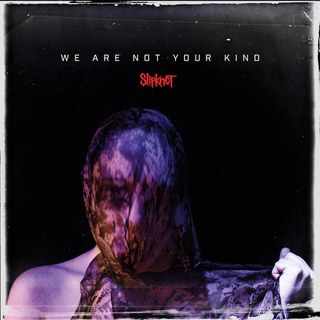
Slipknot – We Are Not Your Kind Review

At long last, nu-metal icons Slipknot have released their sixth studio album, We Are Not Your Kind. The follow-up to 2014’s .5: The Gray Chapter, this album has been perhaps the most anticipated 2019 release in the world of rock and metal. For this reason, Corey Taylor and company had a lot of hype to live up to, on top of already having a monumental catalogue of previous works to live up to. So with the bar this high, does We Are Not Your Kind hold up?

Well in short, yes. See, if I had to describe Slipknot’s discography thus far in one word, it would be “consistent.” While the quality has been anywhere from a top-to-bottom masterpiece such as Iowa,to a mixed bag like All Hope Is Gone, sonically and lyrically, you always know what to expect from Slipknot. And We Are Not Your Kind checks all the boxes. Dark, existential lyrics? Check. Aggressive, rapid-fire drumming? Check. Keyboard and turntable integration? Present and accounted for. Slipknot have found a formula that works for them, and stuck to it. And yet, each of their albums to this point have stood on their own in one way or another. Hell, even All Hope Is Gone is recognizable for its blandness, by comparison to the others. So let’s take a look at what We Are Not Your Kind has going for it.

Lead singer Corey Taylor has stated that We Are Not Your Kind would contain the band’s most experimental work to date. And while Slipknot has never been a band to shy away from integrating elements not typical to rock and metal music, this album brings these elements to the forefront in a major way. Throughout the record, we are treated to extended beginnings and endings, as well as short interludes, making it flow almost like a 1970s Pink Floyd album. During these instrumental passages, we hear elements such as haunting John Carpenter-like synth lines, dissonant bells, and soft, ambient guitar work from Mick Thomson and Jim Root, a duo not necessarily known for this type of playing. In soft, yet impactful tracks, these elements play the lead role.“My Pain”is filled with eerie, reverberated bell tones, contrasted against Taylor’s soft singing, adding to the dramatic build as the song grows heavier. “Spiders”opens with a creepy, single-hand piano lick that carries through much of the song. However, these songs are balanced out by tracks such as “Unsainted,” “Nero Forte,” and “Orphan,” fast aggressive hard-hitters, written and performed in classic Slipknot fashion. All of these styles are integrated into the closing track “Solway Firth,” which serves as a perfect bookend for everything that has preceded it on the record. Admittedly, I wasn’t crazy about this song when it was released as a single, but hearing it in the context of this album as a whole gave me a new appreciation for it.

Slipknot’s albums have always been performed and produced in a way that brings the listener into the band’s unique sonic world. However, this album utilizes stereo mixing to its fullest potential, to surround the listener with various drums and percussion, aggressive guitar, ambient tones, and unsettling sound effects, in a way that effectively amplifies the atmosphere of this record. No element is hiding in this mix, and all the strange quirks that make Slipknot what they are sit right out on display (Can we petition Slipknot to release a 5.1 surround mix of this album?). Even though I’ve never been overly fond of nu-metal, I’ve always felt that Slipknot utilizes elements such as synths and turntables tastefully, even brilliantly, when compared to their contemporaries (take notes, Korn). On this album, these elements take on a role as important as the guitars or drums, and it pays off.

Lyrically, this album is as dark and gritty as you might expect from a Slipknot album. Tracks such as “My Pain” and “Not Long for This World” deal with Taylor’s own struggles with self harm and mental health issues. “Unsainted” and “Birth of the Cruel” display Taylor’s social awareness through the lens of religious imagery. It is often difficult to tell whether Taylor is singing about inner demons or literal oppressors, but songs like “Red Flag” could very well be about both. The theme of liars and distrust for those who have stabbed you in the back is a topic that shows up in “A Liar’s Funeral” and “Solway Firth.” In “Orphan,” a repetitive shout of “Everyone has something; someone here has everything!” is enough to shake any listener to their core. All of the lyrics on this record are purposeful and impactful, with the exception of the song “Death Because of Death,” whose lyrics consist entirely of the line “Death because of, death because of you” being repeated. This is forgivable, however, as this track is only a minute and twenty seconds long, and serves more as a transition piece than an actual song.

When discussing the latest entry in Slipknot’s discography, guitarist Jim Root criticized the modern music industry for being focused more on creating hit singles than smart, coherent full albums. As a guy who talks your ear off about albums as a hobby, I couldn’t agree more. Root stated that with We Are Not Your Kind, Slipknot intended to create a full-album experience, rather than simply a collection of songs. While I feel that Slipknot has always achieved this, they have never done so more effectively than on We Are Not Your Kind. Lyrically, these songs make sense together. The instrumental performances and production choices suit the lyrical themes and create a naturally flowing, and absolutely mesmerizing experience. In terms of album construction, this is perhaps Slipknot’s most accomplished release yet, and as far as overall quality is concerned, this is easily the band’s strongest album since 2001’s Iowa. Don’t miss We Are Not Your Kind.

Score: 9/10

Favorite Song(s): My Pain, Solway Firth, Spiders, Nero Forte, Orphan

Least Favorite Song(s): Death Because of Death

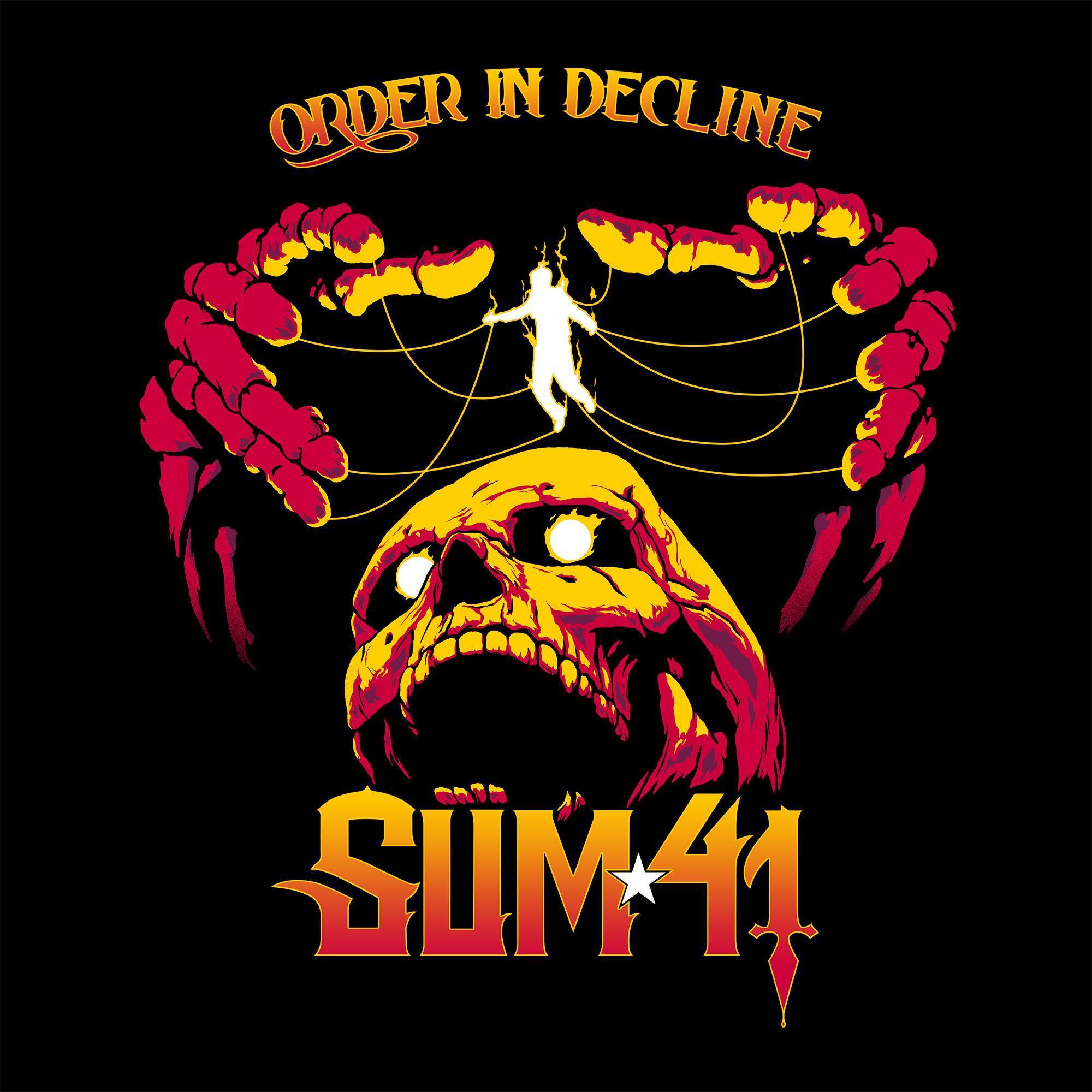
Sum 41 – Order in Decline Review

Punk rock titans Sum 41 are back with a brand new studio album. You know, Sum 41? The other early-2000s pop punk band with a number in their name? Yeah, they’re still a thing. In fact, for the most part, they’ve been releasing music fairly consistently since their 2001 debut, All Killer No Filler. But you probably didn’t know that. I barely even knew it. Not that any of their most recent material has been bad, per se, but it certainly hasn’t measured up to their early work, or garnered much mainstream popularity. So the question is, how does the newest outing from discount Blink-182 compare?

                  Pretty well, actually. No seriously, I was really surprised by this album. With Order in Decline, Sum 41 have taken the metal elements they have integrated into their sound since the beginning, and made them the centerpiece of the album. Tracks such as “Turning Away,” “Out for Blood,” and “Eat You Alive” will knock you on your ass with thrashing riffs, blistering guitar solos, and bass and drums you’ll feel deep in your chest. These songs, among others, trade Sum 41’s usual generic skate punk lyrics about hating school and causing trouble, for more interpersonal and existential themes, as well as antiauthoritarian anthems aimed at the modern political establishment. These lyrical themes and musical textures are fairly repetitive throughout the album, but between a few more unique cuts we’ll discuss below, and the album’s total run time of only 36 minutes, the project manages to avoid becoming too monotonous.

                  While the heavier side of Sum 41 rules the majority of this album, there are a handful of notable deviations. “The New Sensation” is an anthem of rebellion with a slow, swinging rhythm, something of a strange hybrid between Green Day’s “Holiday” and Muse’s “Uprising.” Not the most inventive or memorable track on the album, but an infectious toe-tapper, nonetheless. “Heads Will Roll” is a more blues-tinged hard rock jam. “Never There” is an emotional piano ballad about lead singer Deryck Whibley’s estranged father. Yet another anti-authority anthem, “The People Vs…” is a callback to the band’s 2000s punk roots, drawing from the stylings of Rise Against and the later Offspring albums. The album’s closing song, “Catching Fire” is another emotional ballad, this time about missing someone who is gone from your life, and having regrets about your time together.

                  In Sum 41’s 2001 smash hit “Fat Lip,” Whibley chants “Heavy metal and mullets it’s how we were raised; Maiden and Priest were the gods that we praised.” Undoubtedly a strange line to hear in a bratty rap-rock song. Nearly two decades later, Order in Decline oozes with 80s metal influence. Whibley has said that he intended for this project to be Sum 41’s heaviest yet, and I think it’s safe to say he was successful. This is Sum 41 at their rawest, most intense, and most emotionally powerful. Earlier in this review, I asked rhetorically, how the new outing from discount Blink-182 measures up. Well I’m hear to tell you that Sum 41 is NOT discount Blink-182. Blink-182 has new music on the way, as do their punk rock peers The Offspring and Green Day. And while overall, Sum 41 is my least favorite of these four bands, I will be very surprised if any of the other three come up with anything nearly this good. Not only is Order in Decline Sum 41’s best album since 2004’s Chuck, it’s one of their best albums, period.

Score: 9/10

Favorite Song(s): Turning Away, Eat You Alive, Never There, Catching Fire, Out for Blood

Least Favortite Song(s): The New Sensation

Ed Sheeran – No.6 Collaborations Project Review

Famed pop singer/songwriter Ed Sheeran is back, with his fourth studio album, No.6 Collaborations Project. The follow-up to his 2017 album ÷, this album is, as implied by the title, a collection of collaborative efforts between Sheeran and various artists, from the worlds of pop, hip-hop, and even country. With names as diverse as Travis Scott, Chris Stapleton, Bruno Mars, Eminem, and Camila Cabello, among others, one could imagine this project going in many different directions. So which direction do Sheeran and friends take this album in?

                  Well…all of them. While this album features an extremely diverse collection of sounds and styles, these elements are mashed together and slapped onto this album in a way that is extremely jarring, especially from an artist whose previous three studio albums have excelled in focus and cohesion. The flow between these tracks is virtually nonexistent, making it play more like a compilation than a single unified piece of art. Though in Sheeran’s defense, this could very well be what he had in mind for this project.

                  So, what about the songs themselves? Well…it’s a mixed bag. Very mixed. And with Sheeran’s performances on these songs being consistently solid (though usually nothing special), the quality of any given track from this album rests on the shoulders of the featured artist(s), more often than not. And when I first saw the list of artists who would appear on this album, let’s just say I was less than enthusiastic about it. Don’t get me wrong, I understand Sheeran’s choice to include so many new hip-hop artists on this project. These artists virtually control the charts and the streaming services, and having an artist such as Travis Scott or Young Thug appear on a track is the best way to secure yourself a hit in 2019. But this style of music meshes with Sheeran’s folk-pop sensibilities about as well as chocolate pudding with pickle relish. That aside, I actually like this album more than I initially expected I would, based on the list of guests (like I said, mixed bag). So before I rip it apart too much more, let’s talk about what I like about this project.

                  While their respective songs were largely forgettable, Khalid and Justin Bieber both display vocal chemistry with Sheeran that works decentlyl. “Best Part of Me (feat. YEBBA)” and “Put It All on Me (feat. Ella Mai)” both show Sheeran at his most emotionally vulnerable, and display his knack for writing ballads. Teamed up with Eminem and 50 Cent, Sheeran throws it back to old school hip-hop on “Remember the Name,” a track filled to the brim with classic rap bravado, references to popular Eminem and 50 Cent tunes, and the most infectious hook on this entire album. “BLOW (feat. Chris Stapleton & Bruno Mars)” is a high-energy hard rock track, featuring roaring vocals from Sheeran, Stapleton, and Mars, and a blistering guitar solo from Mars. “South of the Border” is a fun, sexy Latin pop duet between Sheeran and Camila Cabello. While I was afraid the Cardi B feature would ruin this track, it’s actually surprisingly tolerable. Not good by any means, but Cardi’s vocal inflections aren’t nearly as obnoxious as they can sometimes be, and neither are her lyrics. Plus, at no point does she yell “Cardi Cardi Cardi” and try to pass that off as a line, so I’ll call that a step in the right direction for Miss B.

Unfortunately, when appearances by Justin Bieber and Cardi B aren’t the biggest issues with an album, that can be cause for concern. Tracks such as “Feels (feat. Young Thug & J Hus)” and “1000 Nights (feat. Meek Mill & A Boogie Wit da Hoodie)” subject the listener to incoherent and unlistenable noises, and pass them off as rapping. Virtually every track featuring a hip-hop artist sees Sheeran trading his often personal and introspective lyrics for gutless, generic pop/hip-hop lyrics about sex, partying, and being full of oneself. We are treated to generic trap production, and bass that is undoubtedly meant to rattle car speakers across the world for the remainder of Summer 2019. While this is fine for hip-hop music, it makes the style and personality of this generation’s favorite guitar-wielding songwriter almost unrecognizable. And don’t get me started on Sheeran’s cringeworthy rapping.

                  And that really sums up the major pitfalls of this record. As I said, Sheeran’s performances are generally solid, but just don’t live up to the majority of his past work. Even the best songs on this album are largely dependent on guests to be memorable. While Sheeran seems to be the most in his element on the ballads and duets with female pop vocalists, on their own merit, these songs pale in comparison to the likes of “Thinking Out Loud” and “Perfect.” Apart from the aforementioned “Remember the Name” hook, Sheeran’s impeccable sense of melody is virtually absent from this project. Expect to see this album invade the charts for the next several weeks, but I don’t predict it having much longevity among Sheeran’s fans overall, as most of these songs just don’t hold up without the A-list guests attached to them. There are definitely solid cuts on here, but collaborations that just don’t work, sloppy production and presentation, and an overall lack of truly memorable moments make this easily Sheeran’s weakest studio album to date.

Score: 5/10

Favorite Song(s): BLOW, Remember the Name, Best Part of Me

Least Favorite Song(s): Feels, 1000 Nights, Take Me Back to London

Design a site like this with WordPress.com
Get started